NVIDIA Outperforms AMD, Recommends Buy Over Hold
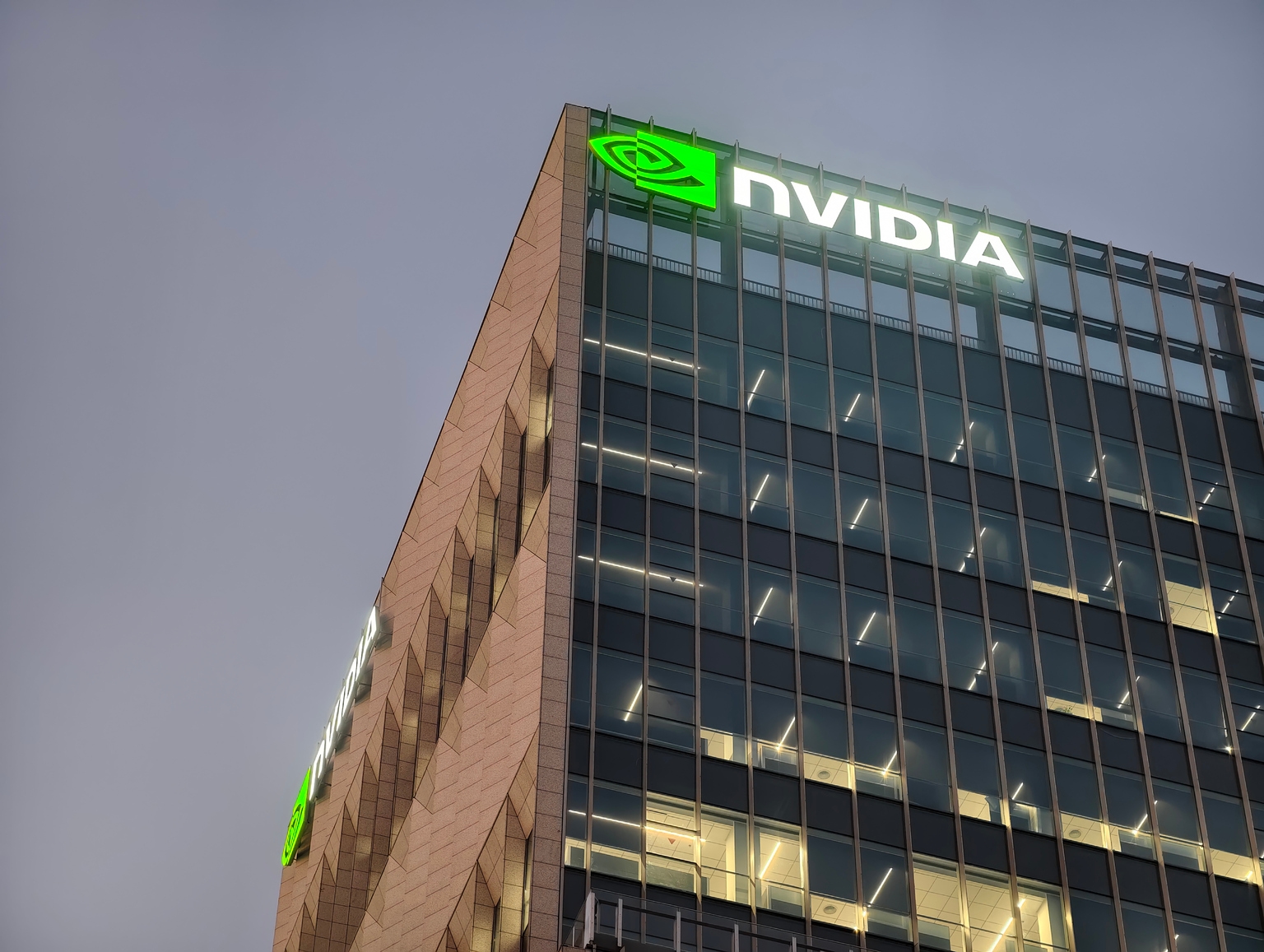
NVIDIA is recommended as the safer, higher-conviction AI stock, rated Buy for its dominant margins, vertical integration, and lower forward multiples. The Seeking Alpha analysis highlights NVIDIA's software lock-in, diversified end markets including government and robotics, and stronger profitability as reasons it can sustain growth through macro cycles. AMD is framed as a viable strategic partner for hyperscalers seeking supply diversification, but its thinner margins, execution risk, and comparatively richer valuation justify a Hold. Key headline metrics cited include a $4.90T market cap for NVIDIA, forward P/E of 24.18, and 65.47% year-over-year revenue growth, which underpin the Buy thesis versus AMD's more conditional upside.
What happened
The analysis positions NVIDIA as the preferred AI-sector equity with a Buy rating, while assigning AMD a Hold. The thesis centers on NVIDIA's superior margins, vertical integration, and software-driven lock-in delivering resilient growth. Headline financials include $4.90T market cap, forward P/E 24.18, and revenue growth 65.47%, metrics the author uses to justify relative valuation and risk differences.
Technical details
NVIDIA's strengths are operational and product-led. The report emphasizes:
- •Hardware-software integration, where GPU design, drivers, and proprietary stack create switching costs for large customers.
- •Margin profile, with structurally higher gross and operating margins compared with AMD, supporting return on invested capital.
- •Diversified end markets, including cloud AI, government, robotics, and data-center services, which reduce cycle sensitivity.
AMD is credited for competitive silicon and cloud partnerships, but the note flags thinner margins and higher near-term valuation as limiting factors for upside.
Why it matters
For practitioners this is a market-structure, not a product-level, call. NVIDIA's position matters because it influences pricing, supply allocation, and feature roadmaps that affect model training and inference economics. AMD's role as a supply-diversifier affects procurement strategies for hyperscalers and enterprise clusters, potentially improving bargaining dynamics and availability for non-NVIDIA stacks.
Investment and operational trade-offs
The analysis frames the decision as risk-reward. NVIDIA offers a lower forward multiple relative to perceived moat, translating to a buy-lower-risk stance. AMD provides upside tied to execution and further margin expansion, but with conditional risks tied to ASPs and competitive dynamics.
What to watch
Monitor NVIDIA's roadmap and software licensing moves, AMD's margin trajectory and cloud design wins, and how hyperscalers allocate demand across GPU vendors. Shifts in pricing, supply, or a major new architecture could rapidly change the comparative thesis.
Key Points
- 1NVIDIA's vertical integration and software lock-in convert product leadership into durable margins and customer stickiness.
- 2AMD is strategically valuable for hyperscalers and supply diversification, but thinner margins and execution risk constrain near-term upside.
- 3Valuation and financials favor NVIDIA as the lower-risk AI hardware exposure, making it a Buy versus AMD's Hold.
Scoring Rationale
This is a notable investment analysis with operational implications for AI infrastructure purchasing and vendor strategy. It affects procurement and portfolio decisions for practitioners but does not introduce new technical breakthroughs or regulations, so it ranks as materially relevant but not industry-shifting.
Practice with real FinTech & Trading data
90 SQL & Python problems · 15 industry datasets
250 free problems · No credit card
See all FinTech & Trading problems