Nvidia Faces Massive Warranty Costs From Defective GPUs
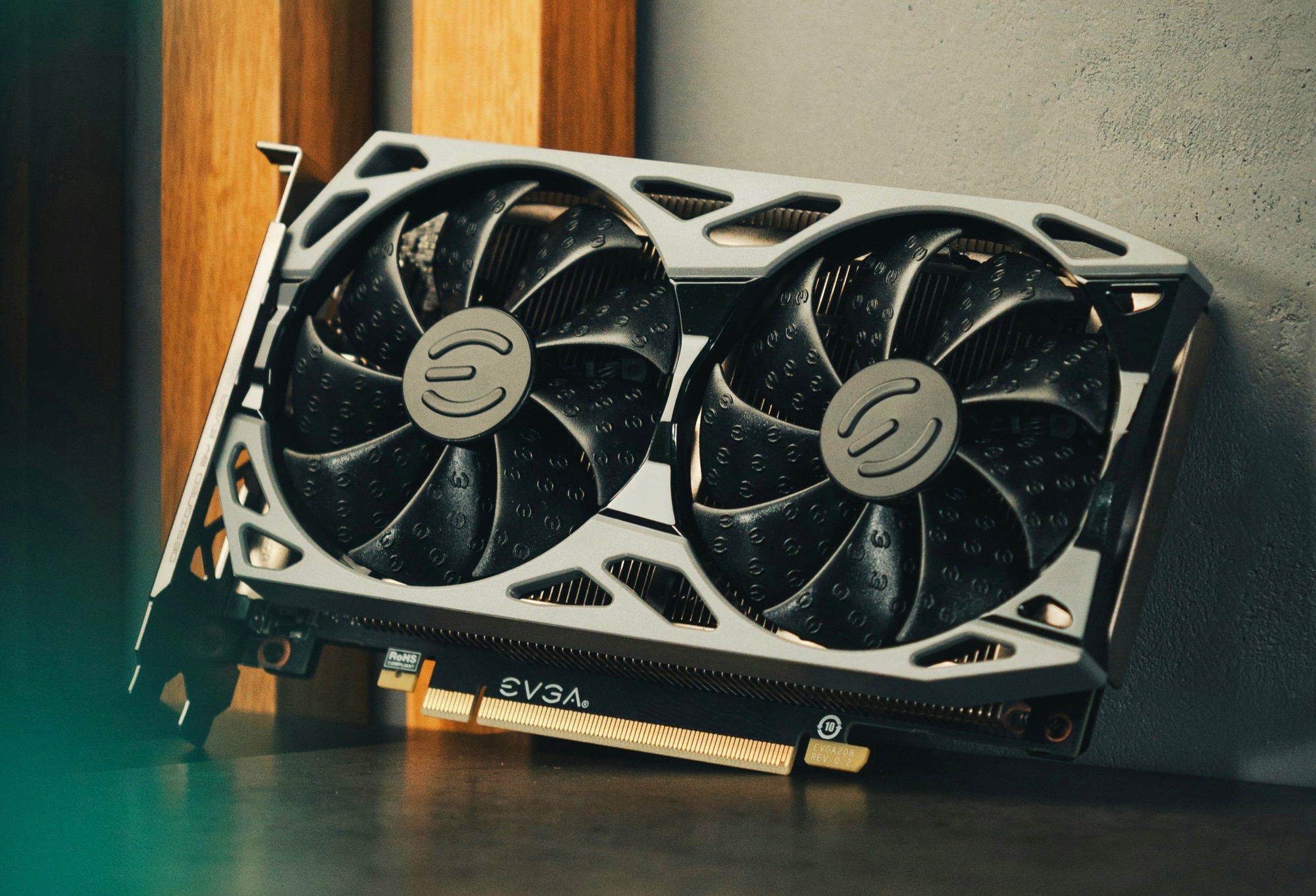
Nvidia recorded $894 million in warranty charges for 2025, a 1,003% increase from $81 million in 2024. The surge is linked to failures tied to the 16-pin 12VHPWR power connector, heavier continuous use of GPUs for AI workloads, and higher replacement costs driven by the DRAM supply crisis. Warranty claim rates climbed to 0.9% of GPU sales in Q4 2025 for Nvidia, compared with 0.69% at AMD. The combination of a vulnerable connector design, datacenter-style utilization patterns, and component cost inflation created a multiplatform reliability and business-cost issue. For practitioners this changes procurement, validation, and operational risk calculations for GPU fleets and may accelerate stricter power-delivery standards and vendor-level mitigations.
What happened
Nvidia recorded $894 million in warranty charges for 2025, a 1,003% increase versus $81 million in 2024. The jump reflects higher warranty claim rates, with Nvidia at 0.9% of GPU sales in Q4 2025, compared with 0.69% at AMD. Key contributors are failures tied to the 16-pin 12VHPWR connector, expanded continuous GPU use for AI workloads, and rising replacement costs due to the DRAM crisis.
Technical details
The 16-pin 12VHPWR power connector has been reported to overheat or melt under heavy loads on card families including GeForce RTX 5080 and some GeForce RTX 4000 models. Continuous, near-100% utilization typical of AI training and inference amplifies thermal and electrical stress versus mixed gaming workloads. The DRAM shortage and price pressure mean each RMA replacement now carries a higher component and supply cost. Practitioners should note three interacting failure vectors:
- •Connector and power-delivery vulnerability under sustained high current
- •Workload shift from intermittent gaming to datacenter-style 24/7 AI use
- •Component cost inflation raising average warranty repair cost
Context and significance
This is not just a consumer support problem. As GPUs migrate into research clusters and production AI services, reliability issues translate directly into higher OpEx and procurement risk. Hardware vendors and operators must treat modern GPUs as mission-critical, enterprise-class assets. Expect accelerated validation of power cabling, stricter connector spec enforcement, revised burn-in and thermal testing for cards destined for AI fleets, and stronger contractual warranty terms or buy-back programs.
What to watch
Monitor vendor firmware updates, third-party certified cabling and connector designs, and whether AMD or other partners change designs to avoid the same failure mode. Also watch for updated procurement playbooks that factor in higher expected warranty and replacement costs for continuously used GPUs.
Key Points
- 1Nvidia booked $894M in 2025 warranty charges, driven by connector failures, AI-driven continuous use, and increased DRAM replacement costs.
- 2The 16-pin 12VHPWR connector and 24/7 AI workloads amplify thermal and electrical stress, raising fleet-level failure rates and OpEx.
- 3Higher component prices from the DRAM crisis make each RMA materially more expensive, changing TCO and procurement risk calculations.
Scoring Rationale
The story matters to practitioners operating GPU fleets because it links hardware design, workload patterns, and supply-chain cost into a material increase in OpEx. It is notable for procurement, validation, and datacenter ops but not a paradigm shift.
Practice interview problems based on real data
1,625 SQL & Python problems across 15 industry datasets — the exact type of data you work with.
Try 250 free problems