Nvidia Explores Takeover of Major PC Manufacturer
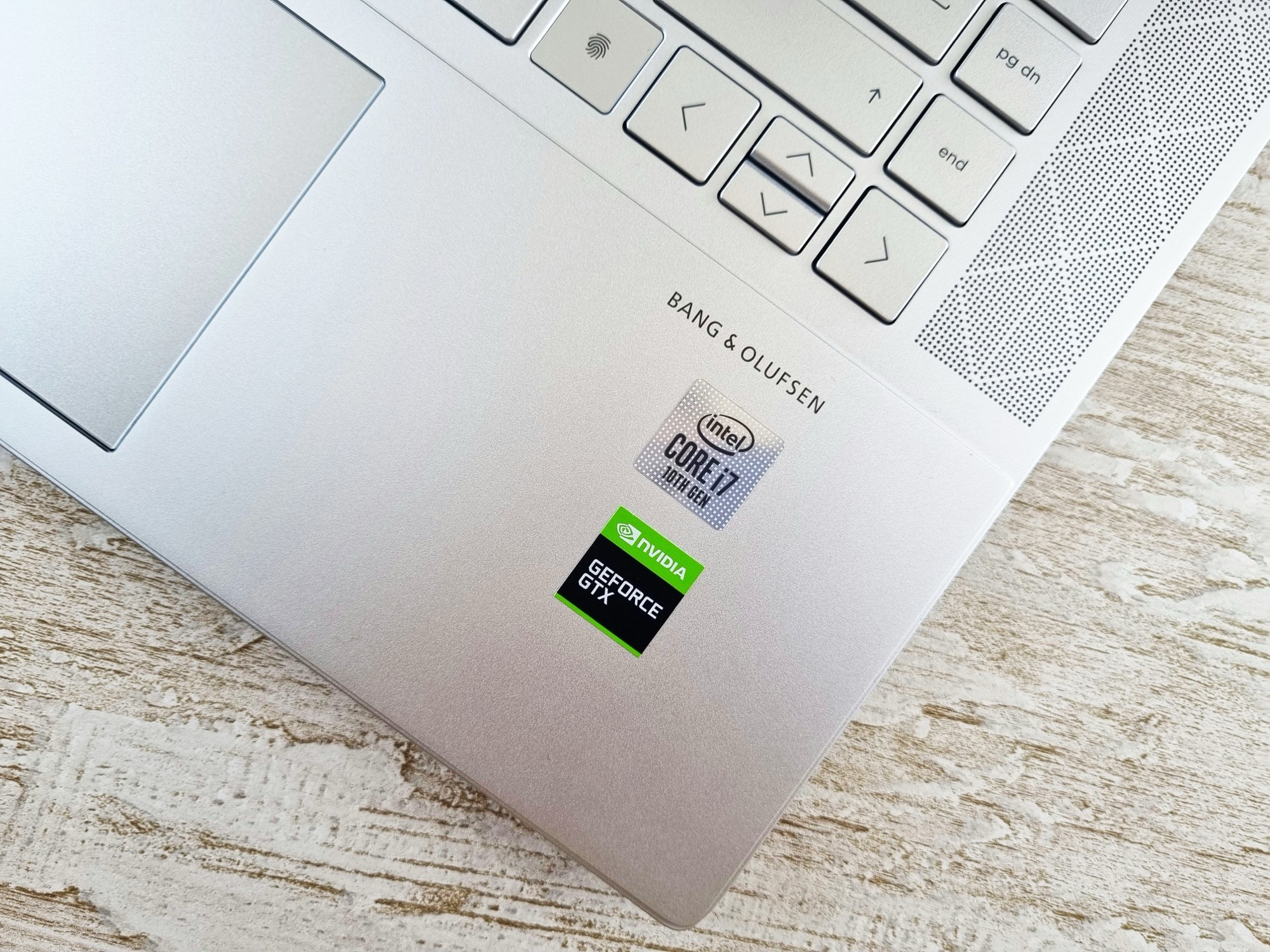
Nvidia is reportedly pursuing a takeover of a major PC maker, with potential targets named as Dell, HP, and Asus. Talks are said to have been ongoing for more than a year and may be nearing completion, though no final decision has been announced. If completed, the acquisition would concentrate GPU and system-level supply under Nvidia, strengthening its distribution and pricing leverage over OEM customers. Any deal would face intense antitrust scrutiny because of Nvidia's dominant position in the GPU market. Market reactions were immediate: Dell and HP shares jumped following the report. For practitioners, the chief implications are shifts in hardware supply chains, preferential GPU availability for Nvidia-owned systems, and potential pricing and procurement ramifications for enterprises and data center operators.
What happened
Nvidia is reported to be planning a takeover of a major PC manufacturer, with talks that have reportedly run for over a year and are said to be nearing completion. Possible targets named in reporting include Dell, HP, and Asus. The story notes potential market moves and investor reactions, with Dell shares rising 6% and HP shares rising 4% after the report. Any acquisition would trigger regulatory review because of Nvidia's strong GPU market position.
Technical details
The reporting is light on deal structure, but the practical mechanics that matter to practitioners are clear. An Nvidia-owned OEM would allow tighter vertical integration of GPU design, firmware, and system-level software stacks, which could enable:
- •Preferred GPU allocation and supply for Nvidia-branded laptops, desktops, and servers
- •Deeper co-optimization between GPU hardware and system firmware, drivers, and software toolchains
- •Potential bundling of Nvidia software and services with hardware at the OEM level
Context and significance
This would be one of the largest structural moves in the PC ecosystem in decades. The report contrasts vendor market caps, listing Dell at $121.7 billion, HP at $17.17 billion, and Asus at $13.55 billion. The analysis also cites industry reporting by SemiAccurate and coverage from Notebookcheck. Vertical integration at this scale could change procurement dynamics for enterprises and cloud customers, shift competitive pressures on other OEMs, and raise fresh antitrust questions because Nvidia already controls large segments of the discrete GPU market.
What to watch
Confirmatory reporting and regulatory filings are the immediate next steps; practitioners should monitor supply-chain announcements, OEM partnerships, and any changes to GPU allocation policies. If the deal advances, prepare for potential changes in hardware procurement, SLA negotiation, and software-stack compatibility testing.
Bottom line
The reported talks matter because they represent a potential shift from Nvidia as primarily a component vendor to a vertically integrated systems player, with material implications for availability, pricing, and systems-level optimization for AI workloads.
Key Points
- 1Nvidia is pursuing acquisition talks with major OEMs, which could vertically integrate GPU supply and system design.
- 2Vertical ownership would increase Nvidia's leverage over OEM pricing and component allocation, affecting hardware procurement.
- 3Regulatory risk is the primary barrier; antitrust scrutiny will shape the feasibility and structure of any deal.
Scoring Rationale
A takeover of a major PC OEM by Nvidia would be a major industry event with broad implications for hardware supply, pricing, and systems integration. The score is tempered by reliance on a single speculative report and lack of confirmed filings.
Practice interview problems based on real data
1,625 SQL & Python problems across 15 industry datasets — the exact type of data you work with.
Try 250 free problems