Nothing CEO Warns Memory Costs Exceed Half of Smartphone Bill
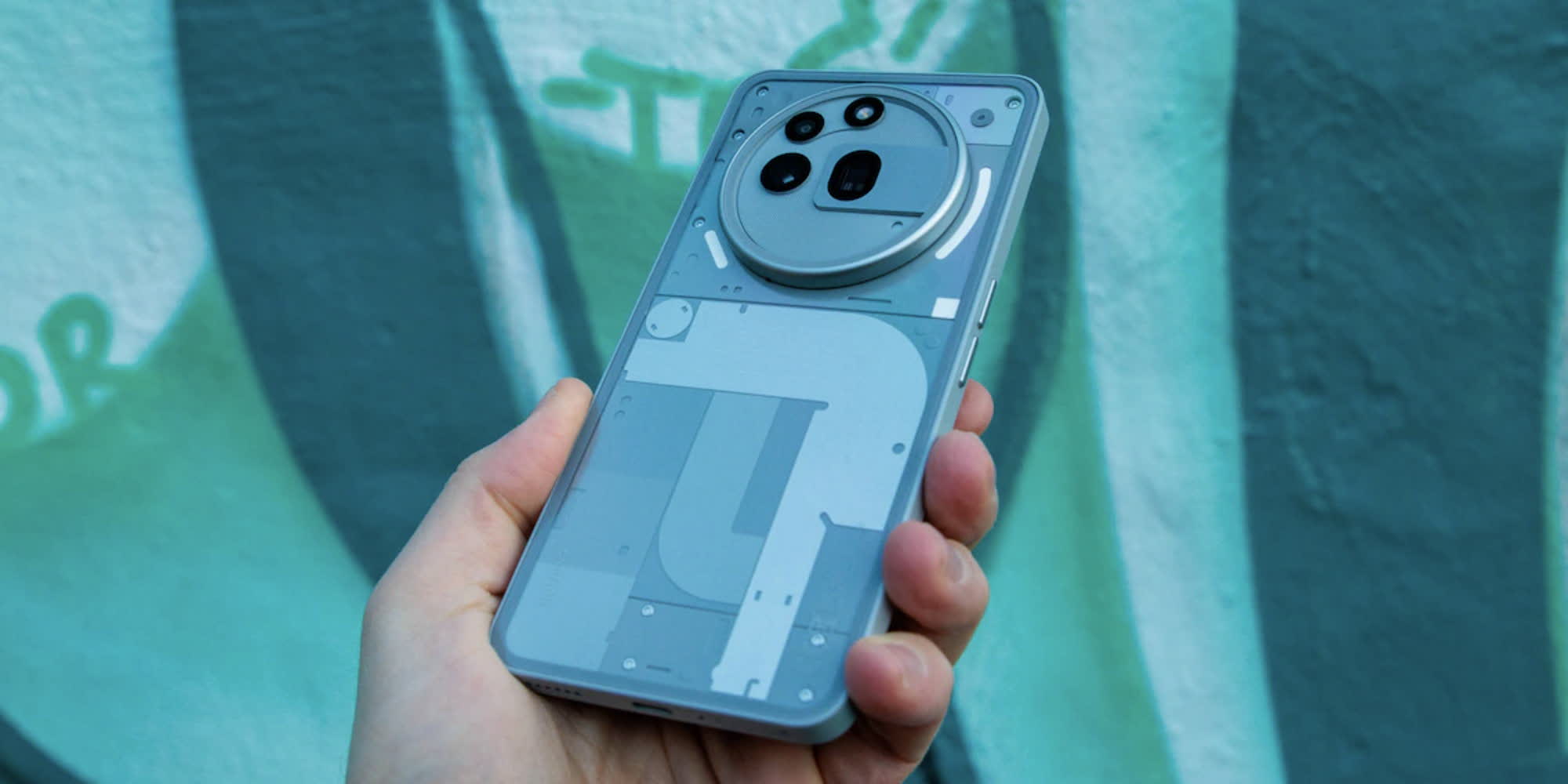
In a post on X, Nothing co-founder and CEO Carl Pei said memory chips now account for "more than 50%" of a smartphone's hardware bill and that memory costs have surged during product development, according to reporting by The Verge and TechSpot. Pei said memory costs for the Nothing Phone (4a) doubled between design and launch and have doubled again since, and he warned phone prices have been rising, with some models launching about $100 higher and midrange Indian devices seeing increases of around Rs 7,000, as reported by Yahoo and The Verge. Pei also suggested seasonal discounts this year may be smaller than consumers expect.
Carl Pei's numbers are a rare on-the-record data point for a story that's mostly been inferred from vendor earnings calls: a phone maker's own account of memory costs doubling twice within one product cycle. For AI infrastructure watchers, it's further evidence that hyperscaler DRAM demand is now large enough to visibly reshape pricing in an unrelated consumer category, not just cloud and GPU markets.
What happened
In a post on X, Carl Pei, co-founder and CEO of Nothing, wrote, "Memory is now the most expensive component in a smartphone. It's more expensive than the processor, more expensive than the display, and can account for more than 50% of the total hardware bill," as reported by The Verge and TechSpot. Pei added that for the Nothing Phone (4a), memory costs "doubled between when we decided to build the device and when it launched. They've doubled again since," a point also covered by Yahoo and multiple outlets. Pei cited recent launches showing price increases of about $100 since February and noted that in India some phones above Rs 30,000 now carry price tags roughly Rs 7,000 higher, as reported by The Verge and TechSpot.
Market context
Demand from AI-focused data center builds has materially increased demand for DRAM and other memory products, shifting factory allocations toward server customers and raising spot and contract prices for consumer-grade memory. Public coverage of the current cycle indicates both DRAM and solid-state memory have been affected, creating tighter allocations for OEMs that historically relied on steadily declining component costs.
Industry context
If memory now consumes a majority share of the bill of materials for mainstream phones, OEMs have less headroom to absorb component-price inflation or to fund promotional discounts. Multiple outlets report Pei's claim that phones released since February have launched at about $100 higher than prior generations; that figure comes directly from Pei's public post as reported by The Verge. The shift also helps explain contemporaneous price moves in other consumer electronics covered in public reporting, including recent console and laptop price increases, which media outlets have linked to elevated component costs.
What to watch
Watch DRAM spot prices and manufacturer allocation notices, contract ASPs reported by memory vendors, and OEM bill-of-material disclosures where available. Regional impacts matter: outlets reported larger absolute price jumps in price-sensitive markets such as India, which could alter product mix and go-to-market timing. Also monitor announcements from major memory manufacturers and large cloud and data center customers for evidence of continued allocation toward server demand.
Key Points
- 1Nothing CEO Carl Pei says memory now exceeds 50% of a smartphone's hardware bill, more than the processor or display combined.
- 2Pei says memory costs for the Nothing Phone 4a doubled twice within one product cycle, pushing some launch prices up about $100.
- 3AI data center DRAM demand is diverting memory supply from consumer devices, a spillover effect now visible in smartphone pricing.
Scoring Rationale
Well-corroborated across nine outlets with a direct, verbatim executive quote, and the underlying cause (AI data center DRAM demand reshaping consumer memory pricing) is genuinely relevant AI-infrastructure spillover. Kept at the solid/notable boundary because the story itself is consumer-electronics pricing, not an AI/DS/ML development.
Sources
Public references used for this report.
View 6 more sources
- Nothing CEO Carl Pei warns of costlier smartphones as memory chip prices soarmoneycontrol.com
- Waiting for smartphone prices to drop? Nothing's CEO has bad news for youdigitaltrends.com
- Nothing CEO Carl Pei has 'important' message for all smartphone buyerstimesofindia.indiatimes.com
- Carl Pei Just Said Publicly What Every Phone Maker Knows Privatelygizchina.com
- Carl Pei warns smartphone prices will keep climbingmsn.com
- Carl Pei: Phone Prices Will Continue To Riselowyat.net
Practice interview problems based on real data
1,625 SQL & Python problems across 15 industry datasets — the exact type of data you work with.
Try 250 free problems