
Newsom Proposes Federal Billionaire Tax and AI Public Equity Fund
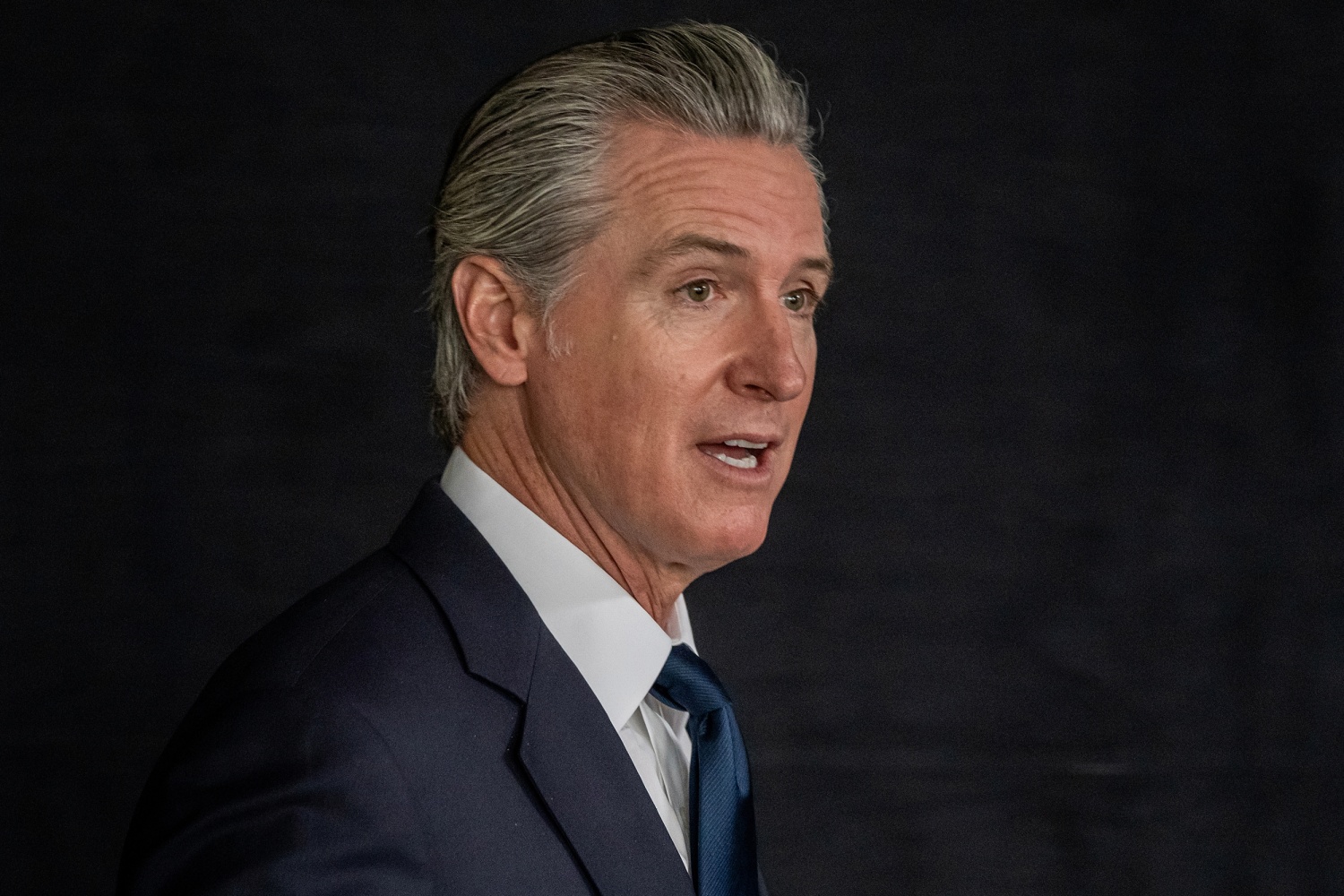
California Gov. Gavin Newsom published an essay calling for a federal minimum tax on billionaires and a federal fund to give Americans a stake in AI-generated wealth, CBS News reports. The essay, described by CBS News as part of a populist economic agenda, labels the proposal a "true minimum tax on billionaires - a modern Buffett rule," and includes the quote "Today, the office worker can shoulder a higher tax rate than the heiress," Newsom wrote. CBS News also reports Newsom announced he will vote against a California ballot billionaire-tax measure and argued the fight belongs at the federal level, noting billionaires can relocate to avoid state levies. The Los Angeles Times is cited by CBS News as reporting that tech billionaires have been buying homes in Florida.
What happened
California Gov. Gavin Newsom published an essay calling for a federal minimum tax on billionaires and a federal fund that would give every American a stake in the wealth created by artificial intelligence, CBS News reports. CBS News quotes Newsom calling the levy a "true minimum tax on billionaires - a modern Buffett rule," and quoting him, "Today, the office worker can shoulder a higher tax rate than the heiress." CBS News reports Newsom also said he will vote against a California ballot billionaire-tax measure and argued that taxing the ultrawealthy should be addressed at the federal level because billionaires can relocate to other states. Per CBS News, the article cites the Los Angeles Times reporting that several Silicon Valley billionaires have purchased homes in Florida.
Editorial analysis - technical context
Industry-pattern observations: proposals to create public stakes in platform or AI-generated value reflect a growing set of policy ideas linking frontier technology returns to public revenue. Comparable proposals discussed in policy circles aim to capture economic rents from centralized AI infrastructure and intellectual property without prescribing specific technical mechanisms for valuation or distribution. For practitioners, such proposals raise questions about compliance, reporting, and taxable events when models are trained on private or public data and when value is realized by downstream services.
Context and significance
this proposal arrives amid heightened public debate over AI governance, taxation of concentrated wealth, and the role of federal policy in tech-sector regulation. Newsom framed the billionaire tax as correcting loopholes that benefit the ultrawealthy, per CBS News. Policy proposals that seek a federal solution rather than state-level taxes would change the institutional locus of debate and could influence the shape of future national legislation concerning technology revenue and corporate taxation.
What to watch
Observers should follow whether national policymakers, think tanks, or campaign actors pick up the proposal and how economists propose measuring AI-created value for taxation. Watch for legislative briefs, Congressional hearings, or policy papers that attempt to define taxable AI-generated income and for statements from Treasury or tax-policy experts responding to the idea. Also monitor state ballot outcomes and migration patterns for high-net-worth individuals, as reported by mainstream outlets, which CBS News and the Los Angeles Times have already noted.
Key Points
- 1Newsom proposes a federal minimum tax on billionaires and a national AI "public equity" fund, framing it as a "modern Buffett rule."
- 2He told CBS News he will vote against California's state billionaire-tax ballot measure, arguing tax policy belongs at the federal level.
- 3Industry observers should watch for policy work defining how AI-generated wealth is measured, reported, and taxed at scale.
Scoring Rationale
A federal AI public equity fund proposed by a likely 2028 presidential contender linking billionaire taxation to AI-generated wealth is notable for policy and AI governance debates. The proposal is specifically framed around distributing AI economic gains publicly, making it relevant to AI/DS practitioners tracking regulatory and investment trends.
Sources
Public references used for this report.
Practice with real FinTech & Trading data
90 SQL & Python problems · 15 industry datasets
250 free problems · No credit card
See all FinTech & Trading problems

