Neverness to Everness Developers Confirm AI-assisted Assets
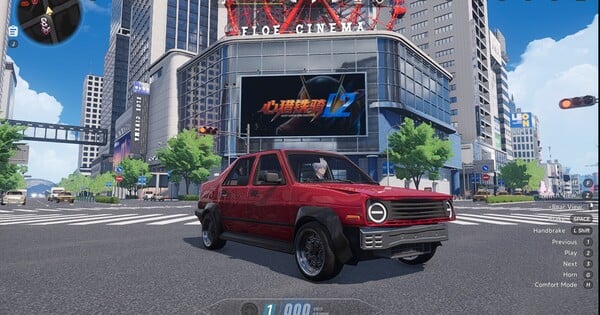
According to Austin Wood at Yahoo Tech, developer Hotta Studio acknowledged on Twitter that "AI-assisted tools were used only on a small number of background and environmental assets, not on the characters or stories that define this game." The studio wrote, "Neverness to Everness is built on human creativity," and added, "We're already reviewing and reworking the flagged assets: 'Clear Skies in Summer' and 'Pink Paws Heist'." Yahoo Tech reports the AI-generated animation in the 'Pink Paws Heist' mission was deleted after players flagged it, and that a popular VTuber/streamer pulled planned sponsored content amid the controversy. The article frames the episode as part of a larger pattern of player backlash to visible AI-generated content in games.
What happened
Per Austin Wood at Yahoo Tech, Hotta Studio posted on Twitter that "Neverness to Everness is built on human creativity," while also acknowledging that "AI-assisted tools were used only on a small number of background and environmental assets, not on the characters or stories that define this game." The developers added, "We're already reviewing and reworking the flagged assets: 'Clear Skies in Summer' and 'Pink Paws Heist'." Yahoo Tech reports that the AI-generated animation in the 'Pink Paws Heist' mission was deleted after players flagged it, and that a prominent VTuber and streamer withdrew planned sponsored content following the revelations.
Editorial analysis - technical context
Industry-pattern observations: Generative image and video tools are commonly used to accelerate background art and environmental detailing, but they often introduce detectable stylistic inconsistencies or animation artifacts when stitched into handcrafted worlds. Common technical failure modes cited by practitioners include mismatched lighting and color grading, temporally inconsistent frames in generated animation, and unexpected compositing seams. These issues disproportionately affect assets that players encounter closely or that reference well-known visual styles.
Industry context
Industry reporting places the Hotta episode within a broader pattern of community sensitivity to AI-generated game content, where visible artifacts have led to online backlash, public removals, and developer statements. Yahoo Tech frames this case alongside similar player-led policing of assets and heightened scrutiny of studios' use of generative workflows.
For practitioners
Watch for three observable indicators in comparable incidents: the scope of assets identified publicly (backgrounds versus character work), whether studios remove or mute offending assets pending replacement, and whether creators publish technical or editorial postmortems explaining revision processes. Maintaining clear provenance metadata, layered QA that includes human-in-the-loop checks for visible scenes, and transparent communication with player communities are recurring mitigations described in industry reporting.
Key Points
- 1Hotta Studio admitted limited use of AI-assisted tools for background/environment assets and deleted an AI-generated heist animation.
- 2Generative models speed background art but often produce style or temporal inconsistencies that trigger community pushback.
- 3For practitioners, visible QA, provenance metadata, and transparent communication are common mitigations when using generative workflows.
Scoring Rationale
The admission and asset removals are notable for game developers and content teams because they illustrate practical failure modes and community risk when applying generative models to visible game assets. The story is industry-relevant but does not introduce new models or broad technical breakthroughs.
Sources
Public references used for this report.
Practice interview problems based on real data
1,625 SQL & Python problems across 15 industry datasets — the exact type of data you work with.
Try 250 free problems