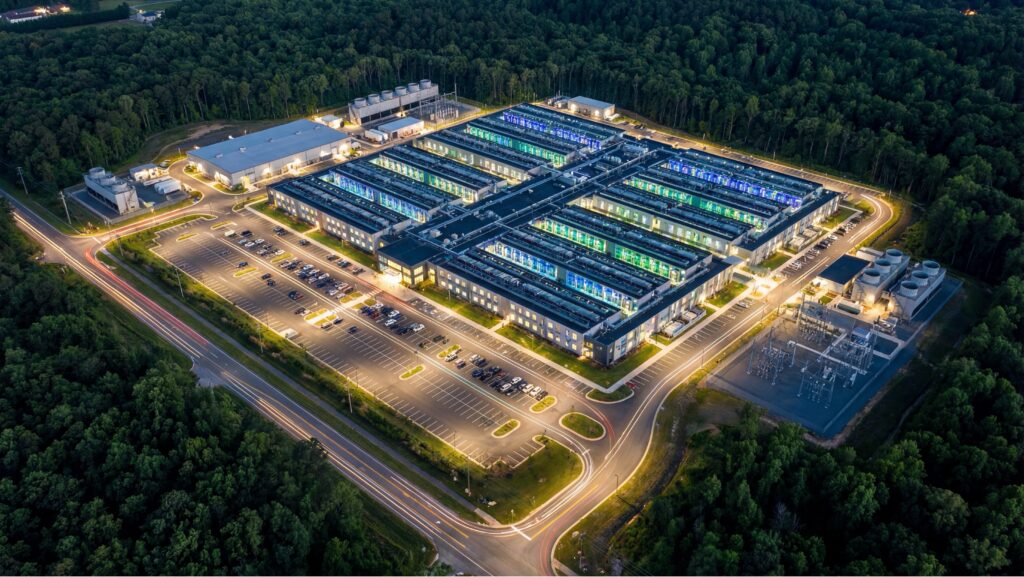
NAACP Seeks Shutdown of xAI Gas Turbines

The NAACP filed for a preliminary injunction asking a federal judge to order Elon Musk's xAI and subsidiary MZX Tech to stop operating dozens of natural-gas turbines that power the Colossus 2 data center, alleging violations of the federal Clean Air Act, according to an Earthjustice press release and reporting by Reuters and Bloomberg Law. The plaintiffs say xAI operated 27 turbines between August and December 2025 and that the company later brought an additional six turbines to the Southaven, Mississippi site, bringing the total to 33, a claim made in the NAACP motion and Earthjustice statement. Earthjustice and the Southern Environmental Law Center represent the NAACP, which alleges the turbines emit smog-forming nitrogen oxides and fine particulate matter and pose health risks for nearby communities, per Reuters and Earthjustice. Bloomberg Law records the case in the U.S. District Court for the Northern District of Mississippi, No. 3:26-cv-00074. xAI did not immediately respond to requests for comment, per multiple reports.
What happened
The National Association for the Advancement of Colored People (NAACP) filed a motion for a preliminary injunction seeking to stop operation of natural-gas turbines that power xAI's Colossus 2 data center near Southaven, Mississippi, according to an Earthjustice press release dated May 6 and contemporaneous reporting by Reuters and Bloomberg Law. The complaint, filed in the U.S. District Court for the Northern District of Mississippi (case No. 3:26-cv-00074), alleges that xAI and its subsidiary MZX Tech installed and operated 27 gas-fired turbines between August and December 2025 and later added six more, bringing the total to 33, a detail asserted in the Earthjustice filing and the NAACP motion. Reuters and Earthjustice say the plaintiffs contend the facility lacks required air permits under the Clean Air Act.
Technical details
Reporting by Reuters and Earthjustice cites estimates that the Southaven power plant could emit more than 1,700 tons of nitrogen oxides (NOx) annually and about 180 tons of fine particulate matter, figures attributed in coverage to Earthjustice. Mississippi Today and other local reporting note a regulatory dispute over whether the turbines qualify as "mobile" or "temporary" units exempt from certain permitting requirements; Mississippi regulators previously treated the units as mobile because they remain mounted on flatbed trailers.
Editorial analysis - technical context
Companies and regulators often clash over the Clean Air Act distinction between "portable/mobile" engines and "stationary/major" sources because the latter category triggers preconstruction permitting and stringent pollution controls. Industry observers and permitting lawyers have repeatedly flagged that large, continuously operated turbines of the size described by plaintiffs fall outside typical mobile-generator uses, creating a legal and compliance risk when deployed for extended data-center operations.
Context and significance
Data centers are increasingly contested on environmental justice and permitting grounds where large on-site power generation is used, especially near frontline communities. Reuters reports that xAI has invested heavily in its Memphis-area infrastructure, a fact public reporting ties to broader competition among AI firms for compute. Litigation that defines when temporary or mobile exemptions apply could set precedent affecting how operators provision standby or supplemental power for large compute facilities nationwide.
What to watch
- •Court action on the NAACP's preliminary injunction motion and any temporary shutdown order, per the Bloomberg Law filing in N.D. Miss., No. 3:26-cv-00074.
- •State permitting decisions and any EPA inquiries or enforcement, given the suit's focus on Clean Air Act requirements.
- •Independent emissions monitoring or public health studies cited in filings, and whether plaintiffs' estimated NOx and particulate figures are corroborated by regulators or third parties.
Reported quotes
Abre' Conner, NAACP Director of Environmental and Climate Justice, is quoted in Reuters and the Earthjustice release criticizing the use of unpermitted turbines and describing potential harms to Black and frontline communities. Earthjustice and the Southern Environmental Law Center are identified as counsel for the NAACP in multiple filings and press materials.
For practitioners
Observers managing data-center infrastructure, permitting teams, and legal counsel should watch how courts interpret mobile versus stationary source exemptions under the Clean Air Act and the evidentiary standards plaintiffs use to quantify community exposure and health risk. Litigation timelines and any interim relief could influence commissioning schedules and the use of portable generation in other large compute projects.
Key Points
- 1NAACP seeks emergency injunction to halt Colossus power plant operations, challenging the 'mobile' turbine exemption under the Clean Air Act.
- 2Legal classification of large portable turbines matters because 'stationary' designation triggers preconstruction permits and pollution controls.
- 3A court ruling or EPA involvement could reshape permitting risk calculations for data centers that rely on on-site gas generation.
Scoring Rationale
The litigation touches on permitting and environmental compliance for large data-center power systems, an operational concern for ML infrastructure teams. It is important but not a frontier technical breakthrough, so it rates as notable.
Sources
Public references used for this report.
Practice interview problems based on real data
1,625 SQL & Python problems across 15 industry datasets — the exact type of data you work with.
Try 250 free problems