Mullin Proposes Federal Robotaxi Emergency Standards
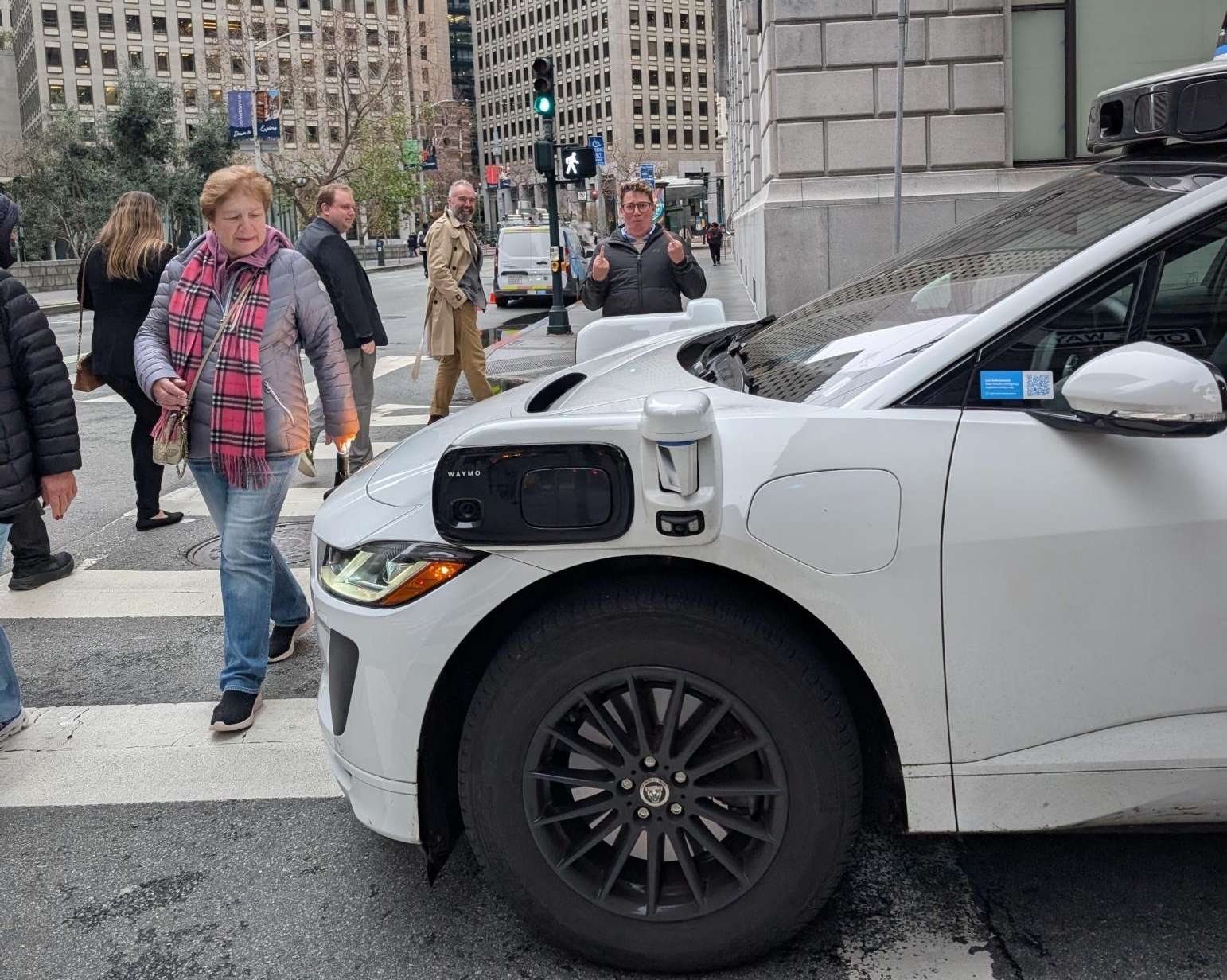
Rep. Kevin Mullin introduced the AV Emergency Response Coordination Act on July 28, proposing national rules for how autonomous-vehicle operators work with first responders. The draft would require standardized emergency guides, a continuously staffed hotline answering within 30 seconds, and a process for temporary geofence notices. It is proposed legislation, not law, and would direct federal transportation officials to establish standards and protocols.
Rep. Kevin Mullin, D-Calif., introduced the AV Emergency Response Coordination Act on July 28, proposing national requirements for how autonomous-vehicle operators coordinate with police, firefighters, paramedics and emergency managers. Mullin announced the measure at a San Francisco press conference with Mayor Daniel Lurie and city public-safety officials.
The official draft would apply to operators and manufacturers of vehicles equipped with Level 3, 4 or 5 automated-driving systems. It is proposed legislation, not an enacted rule, and the public draft posted by Mullin's office does not yet display a House bill number.
What the draft would require
The measure would direct the U.S. transportation secretary to create a uniform process for emergency-response guides and shorter rescue sheets. Operators would have to explain how responders can communicate with the company, move or disable a vehicle, identify its operating status, reach occupants, preserve incident data and coordinate with remote human personnel.
It also proposes several time-bound requirements:
- •A telephone hotline available at all times, with calls answered within 30 seconds.
- •A federal process for emergency geofence notices, with covered vehicles responding within two minutes.
- •A public, searchable repository for companies' emergency guides and rescue sheets.
- •A final minimum standard for emergency procedures within two years of enactment, followed by a compliance period.
A geofence notice could ask driverless vehicles to avoid an area for up to 72 hours during an emergency, disaster or other safety hazard. The bill would also require companies to notify local agencies before beginning public-road operations in a region and provide updated emergency material when relevant systems change.
Why Mullin proposed it
Mullin's office cited reports of autonomous vehicles obstructing ambulances and fire trucks, entering active scenes and failing to respond appropriately to lights, flares, smoke or traffic cones. Independent reporting by TechCrunch and Mission Local has documented repeated cases in which first responders had to move stuck Waymo vehicles and recent San Francisco disruptions during a power outage and the July 4 traffic jam.
Those incidents are the policy backdrop, but the bill is broader than Waymo. Its definitions cover automated-driving-system operators and manufacturers generally, and its proposed response rules would be national.
What happens next
The requirements would take effect only if Congress passes the measure and it becomes law. Federal transportation officials would then need to write the detailed rules and processes specified in the draft.
For autonomous-vehicle teams, the proposal signals the operational evidence regulators may expect: documented responder interfaces, reachable human escalation, vehicle-state visibility, rapid geofencing and a tested way to move or disable a vehicle without diverting emergency personnel.
Key Points
- 1Mullin's draft would require standardized emergency-response guides and rescue sheets for operators of Level 3, 4 and 5 automated vehicles.
- 2The proposal calls for an always-available hotline answered within 30 seconds and a federal process for emergency geofence notices.
- 3The measure is proposed legislation, not current law; detailed federal standards would follow only after enactment.
Scoring Rationale
The proposal targets a consequential operational and safety issue for robotaxi providers, fleet operators and autonomy engineering teams. It is not yet enacted, but its draft requirements for responder documentation, rapid escalation and geofencing could materially affect deployment procedures and compliance design if Congress advances it.
Sources
Primary source and supporting public references used for this report.
Practice with real Ride-Hailing data
90 SQL & Python problems · 15 industry datasets
250 free problems · No credit card
See all Ride-Hailing problems