Misinformation Shapes April Fool's Day Perception
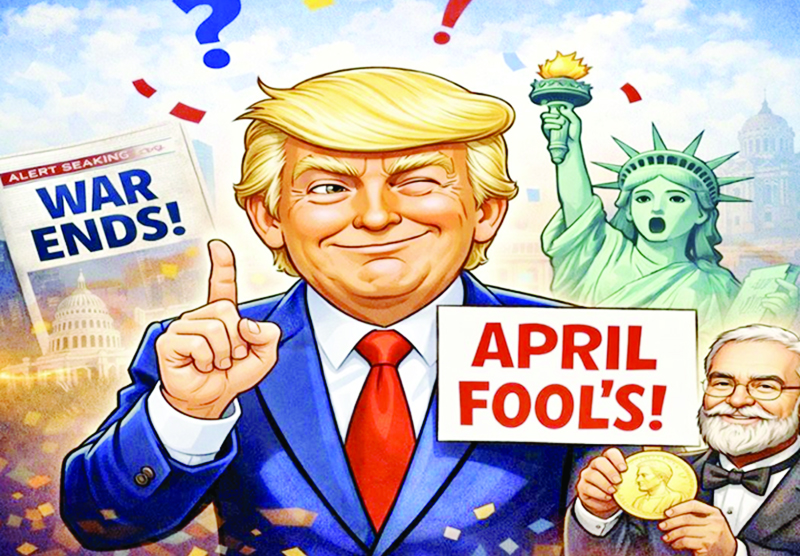
Ankit Sharma argues in a March 31, 2026 essay that April Fool's Day has shifted from harmless pranks to a reflection of accelerating misinformation driven by AI, edited media and instant social sharing. He highlights generational differences, cites public figures like Donald Trump as examples of reality feeling prank-like, and urges readers to pause, verify sources and prioritize discernment.
Key Points
- 1Highlights that digital tools and AI amplify pranks into viral misinformation within minutes
- 2Explains societal shift where real statements can appear prank-like, using public figures as examples
- 3Urges practitioners and readers to pause, verify sources, and prioritize discernment over instant sharing
Scoring Rationale
Topical opinion piece with limited technical novelty and single-author perspective. Scored moderate for timeliness and relevance to AI-driven misinformation, but lowered for lack of new research or actionable technical guidance.
Practice interview problems based on real data
1,625 SQL & Python problems across 15 industry datasets — the exact type of data you work with.
Try 250 free problems