Microsoft Launches Rho-Alpha Enables Adaptive Robotic Manipulation
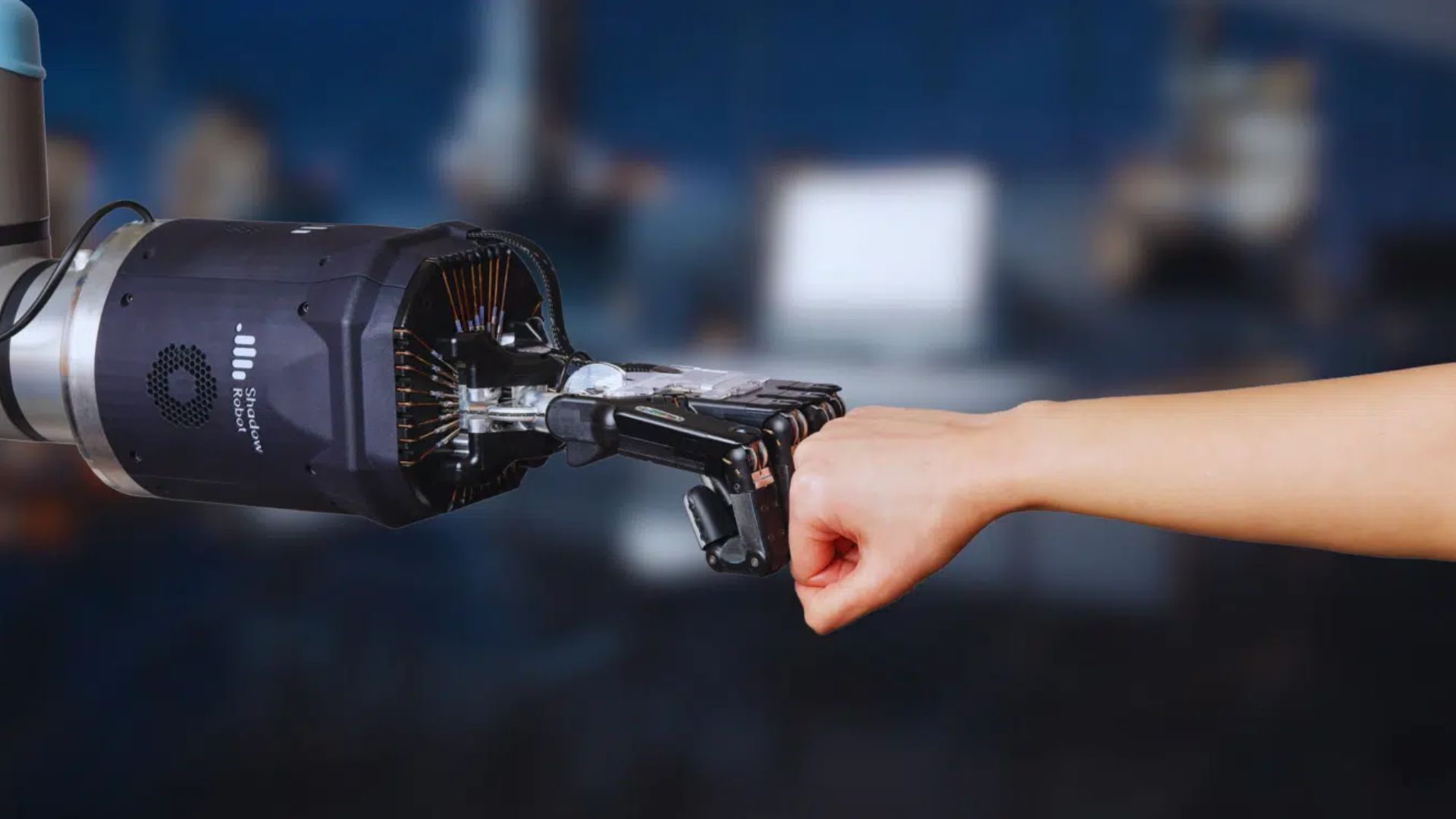
Microsoft has introduced Rho-alpha, a robotics-focused model from its Phi vision-language family that translates natural-language instructions into control signals for dual-arm and humanoid robots. The system integrates tactile sensing and trains on combined real demonstrations, simulation-generated trajectories, and large-scale visual Q&A data, enabling on-the-fly corrective learning and continuous improvement. Rho-alpha will enter a research early access program before broader availability via Microsoft's Foundry platform.
Key Points
- 1Introduces Rho-alpha: vision-language robotics model translating natural-language into two-handed control signals.
- 2Incorporates tactile sensing and simulation-trained datasets to enable adaptive behavior in unstructured environments.
- 3Allows practitioners to fine-tune robots with corrective human feedback and private data via Foundry.
Scoring Rationale
Strong industry impact and deployment pathway, limited novelty relative to ongoing academic robotics research efforts.
Practice interview problems based on real data
1,625 SQL & Python problems across 15 industry datasets — the exact type of data you work with.
Try 250 free problems