Micron Plans $10 Billion for U.S. Memory Research
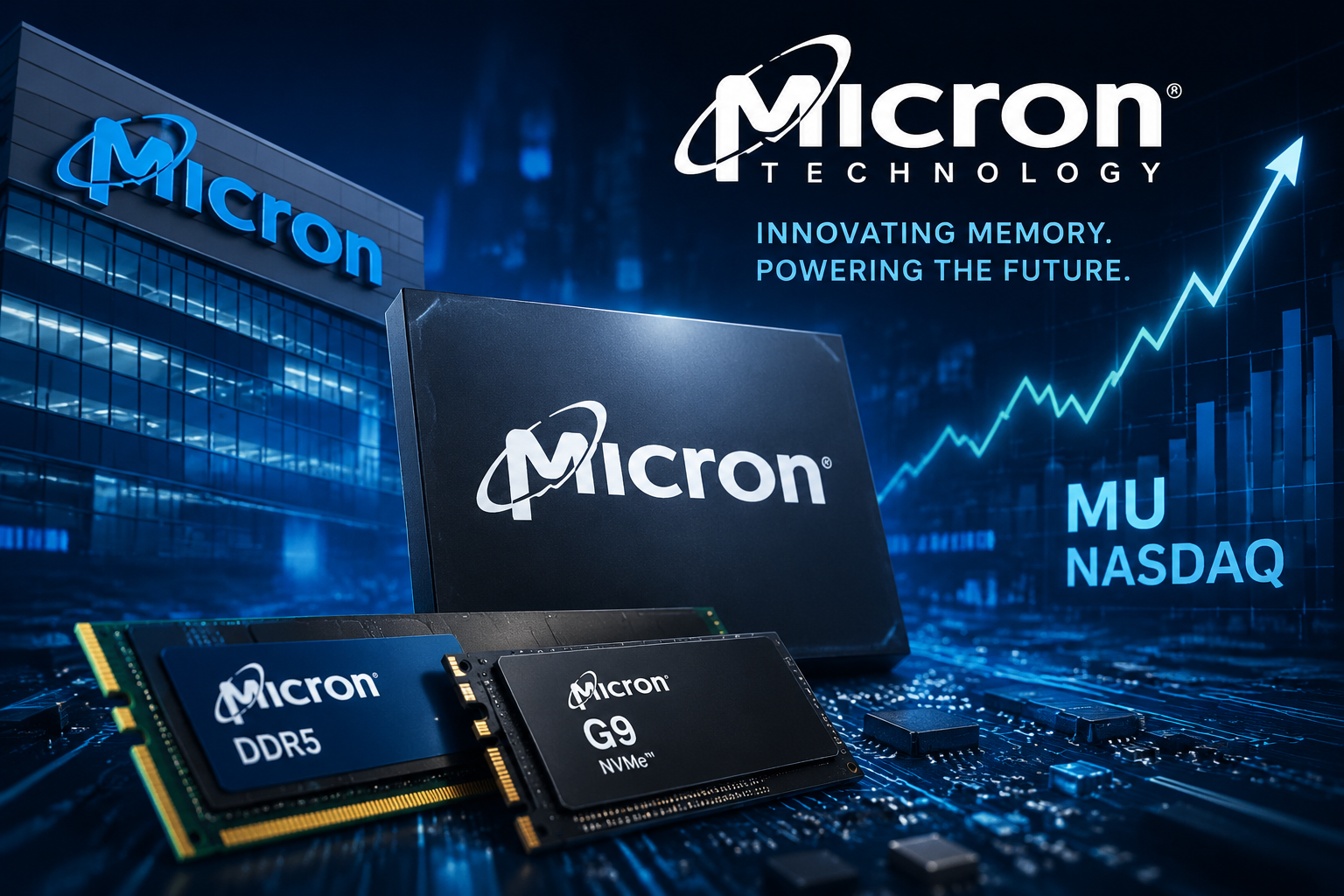
Micron Technology unveiled Micron Research Labs on August 20, announcing a planned $10 billion investment over the next decade in a U.S.-based research institution focused on memory and AI-era computing. According to Micron's announcement, the Boise-headquartered hub will research memory technologies, compute architectures, advanced packaging, and semiconductor manufacturing, alongside university, government, startup, and industry collaborators.
Micron Technology unveiled Micron Research Labs on August 20, announcing a planned $10 billion investment over the next decade in a U.S.-based research institution focused on memory and AI-era computing. The lab will be headquartered in Boise, Idaho, according to the company's announcement.
Micron said the new institution will pursue research beyond current technology roadmaps in critical memory technologies, advanced memory and compute architectures, packaging, and future semiconductor manufacturing. The company described the organization as a network that will connect a flagship Boise campus with university collaborations, global satellite labs, and partnerships across the semiconductor ecosystem.
GuruFocus reported that construction on the Boise campus is due to begin in 2027. Micron's press release identifies the Boise site as the hub's flagship campus, but does not provide a construction budget breakdown or a schedule for research programs.
Memory research enters the AI infrastructure agenda
The investment is distinct from Micron's previously announced U.S. manufacturing and R&D commitments. In the announcement, CEO Sanjay Mehrotra said the new $10 billion commitment builds on more than $250 billion that Micron has separately committed to U.S. manufacturing and research and development.
Mehrotra said, "The decisions we make today will determine who leads the AI economy of tomorrow," adding that Micron Research Labs would examine the memory and compute systems required by future workloads. These are company statements about the purpose of the research hub and its long-term investment rationale.
For ML infrastructure teams, the research focus is consequential because AI performance increasingly depends on the memory subsystem as well as accelerator throughput. Training and inference workloads can be constrained by memory capacity, bandwidth, data movement, interconnects, and packaging. Across the semiconductor sector, long-horizon research into these constraints commonly spans device technology and system-level co-design rather than compute chips alone.
Political attention follows announcement
On August 27, President Donald Trump praised Micron's investment in a Truth Social post, according to Stocktwits reporting published by Yahoo Finance. Trump characterized the new research-lab commitment as helping the United States remain at the forefront of AI and advanced computing.
Trump also referred to Micron's earlier $250 billion commitment and claimed the combined investments would create tens of thousands of jobs. That employment figure is Trump's claim, rather than an employment projection published in Micron's August 20 announcement.
Micron's initiative adds a large, explicitly long-horizon research commitment to a period of intensified U.S. semiconductor investment. Its stated research areas place memory, compute architecture, and advanced packaging among the infrastructure topics under examination.
Key Points
- 1Micron announced a planned $10 billion investment over 10 years in U.S. memory and AI-compute research centered in Boise.
- 2The announced program covers memory, compute architecture, packaging, and manufacturing, areas that influence AI system bandwidth and data-movement constraints.
- 3Comparable semiconductor research programs often combine device research with system-level co-design as accelerator performance becomes increasingly memory-bound.
Scoring Rationale
A planned $10 billion long-horizon investment from a major U.S. memory manufacturer is notable for AI infrastructure practitioners because memory bandwidth, capacity, and packaging constrain modern AI systems. The announcement provides research priorities but no near-term product specifications, making its immediate engineering impact less direct than a chip or platform launch.
Sources
Primary source and supporting public references used for this report.
Practice interview problems based on real data
1,625 SQL & Python problems across 15 industry datasets — the exact type of data you work with.
Try 250 free problems