Micron begins $9.3-billion chip plant expansion in Japan
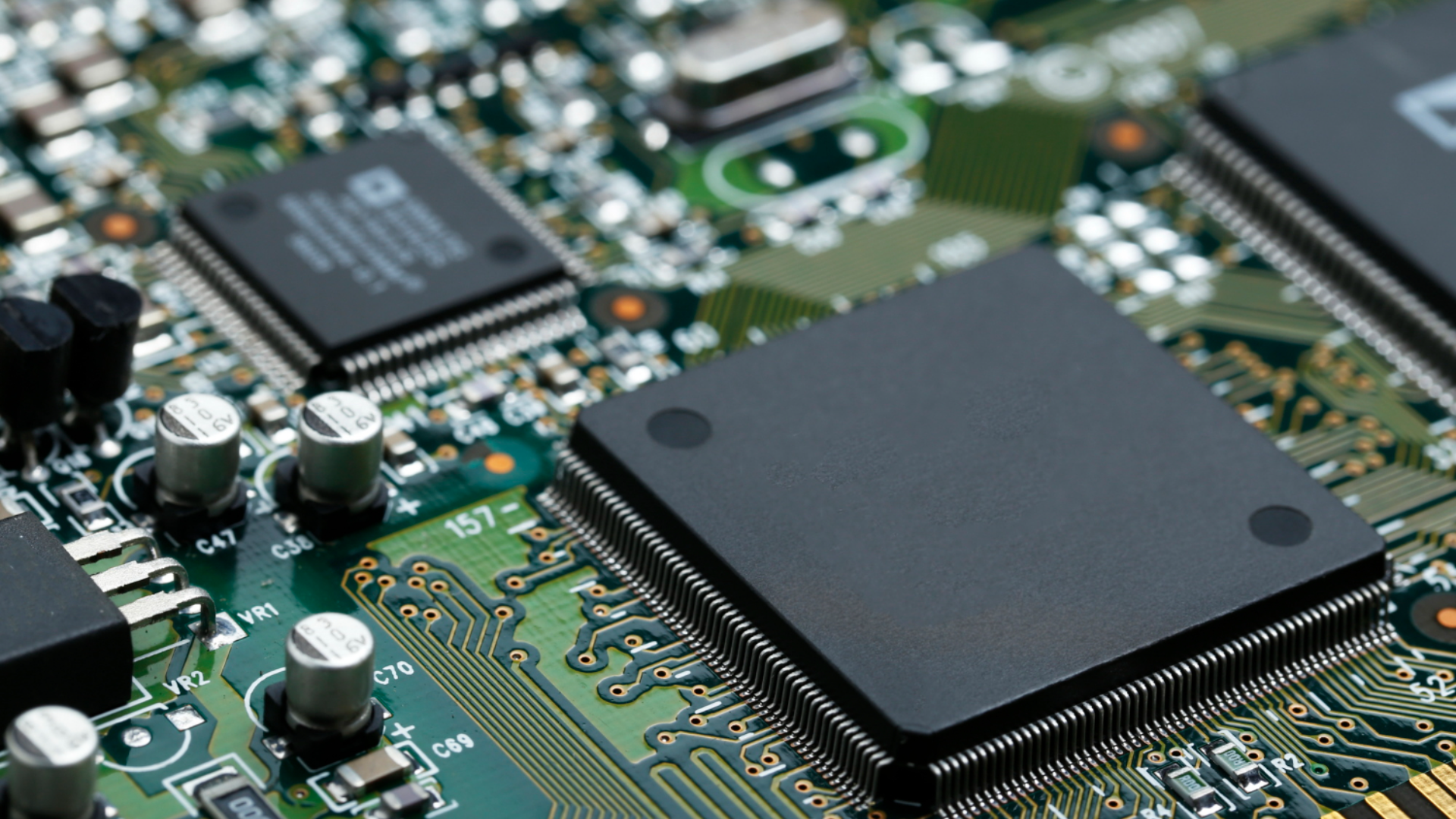
Micron began a $9.3 billion expansion of its Hiroshima, Japan memory plant on July 4 to build advanced chips, including high-bandwidth memory for AI processors. Bloomberg-syndicated coverage and other reports say the 1.5 trillion yen project targets commercial shipments around summer 2028, with Japan's Ministry of Economy, Trade and Industry able to provide up to 500 billion yen in support. For AI infrastructure teams, the important signal is capacity: HBM remains a constrained component for GPU systems, and Japan is using subsidies to pull more of that supply chain onshore. The project also puts Micron's Japan footprint alongside its Boise and New York fab plans as part of a broader memory buildout.
The practical read is not just that another chip plant is moving forward; it is that high-bandwidth memory capacity remains strategic infrastructure for AI systems. Micron's Hiroshima expansion ties AI accelerator supply to government-backed manufacturing policy, because HBM sits beside GPUs and often determines how much useful compute a data-center build can actually deploy.
What happened
Micron began work on a 1.5 trillion yen, roughly $9.3 billion, expansion of its factory in Hiroshima, Japan. Bloomberg-syndicated coverage says the facility is intended to produce advanced memory, including high-bandwidth memory used with AI processors, with commercial shipments expected around summer 2028. Other coverage reported Japan's Ministry of Economy, Trade and Industry can provide up to 500 billion yen toward the project.
Industry context
The investment fits a wider memory-capacity race around AI infrastructure. HBM demand has risen with GPU clusters, and Micron is competing with SK Hynix and Samsung for supply commitments from AI chip and cloud customers. Japan's subsidy support also reflects a policy goal: keep more advanced semiconductor manufacturing inside allied supply chains instead of relying on one region for critical components.
For practitioners
For teams planning accelerator deployments, the useful signal is timing. Capacity announced in 2026 does not immediately relieve near-term HBM constraints, but a 2028 shipment target can affect medium-term procurement assumptions, supplier diversification, and risk planning for large training or inference clusters.
What to watch
Watch whether the 2028 schedule holds and whether Micron converts the Hiroshima buildout into firm HBM supply for top AI customers. The project is important, but delays, yield ramps, and customer allocation will determine how much it changes real-world AI infrastructure capacity.
Key Points
- 1Micron broke ground on a 1.5 trillion yen Hiroshima expansion to build HBM and advanced memory for AI systems.
- 2Reports say Japan's METI can cover up to 500 billion yen, linking memory capacity to industrial policy.
- 3For practitioners, the 2028 shipment target matters because HBM supply remains a bottleneck for accelerator deployments.
Scoring Rationale
This is a notable AI infrastructure story because it adds a large, state-backed HBM capacity project to the supply chain behind AI accelerators. The score stays in the low-7 range because shipments are targeted for 2028 and the practical impact depends on execution, yields, and customer allocation.
Sources
Public references used for this report.
Practice interview problems based on real data
1,625 SQL & Python problems across 15 industry datasets — the exact type of data you work with.
Try 250 free problems