
Microbes Colonize Fresh Lava Driving Succession
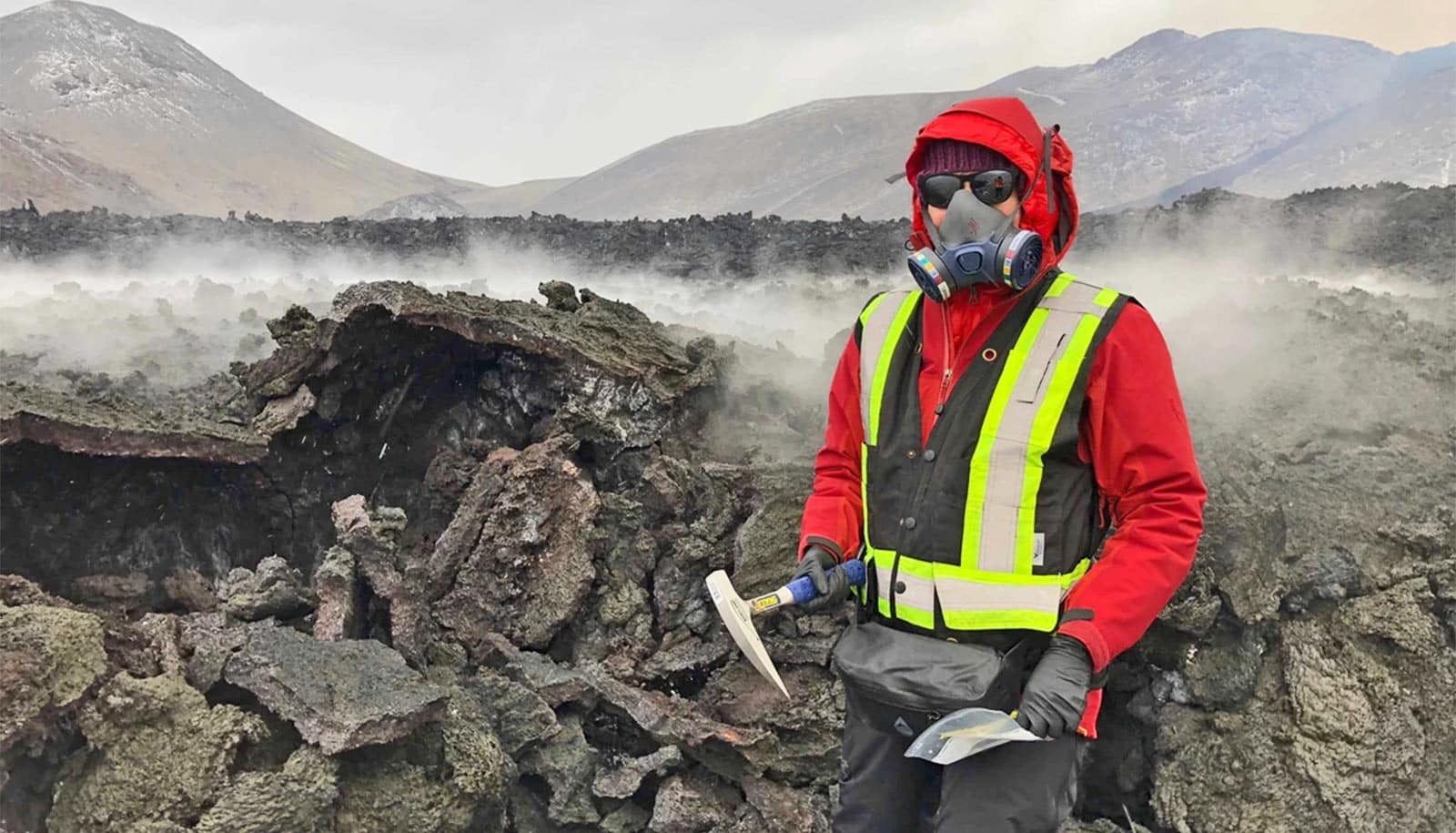
A University of Arizona team studied microbial colonization on fresh lava from Fagradalsfjall eruptions in Iceland between 2021 and 2023, sampling hours-old flows, rainwater, aerosols, and surrounding soils. They found single-celled microbes colonize quickly, biodiversity rises then drops after the first winter, and rainwater becomes the dominant microbial source thereafter. Findings offer mechanistic insight into primary microbial succession and implications for volcanic habitability on Mars.
Key Points
- 1Document microbial colonization on fresh Fagradalsfjall lava within months after eruptions
- 2Show rainwater becomes dominant microbial source after first winter, shaping community composition
- 3Inform astrobiology by indicating volcanic terrains could create transient habitable niches on Mars
Scoring Rationale
Strong peer-reviewed, triplicated field methodology and novel primary-succession insight; limited broader impact outside ecology and astrobiology.
Practice interview problems based on real data
1,625 SQL & Python problems across 15 industry datasets — the exact type of data you work with.
Try 250 free problems

