Micah Lasher wins New York House primary
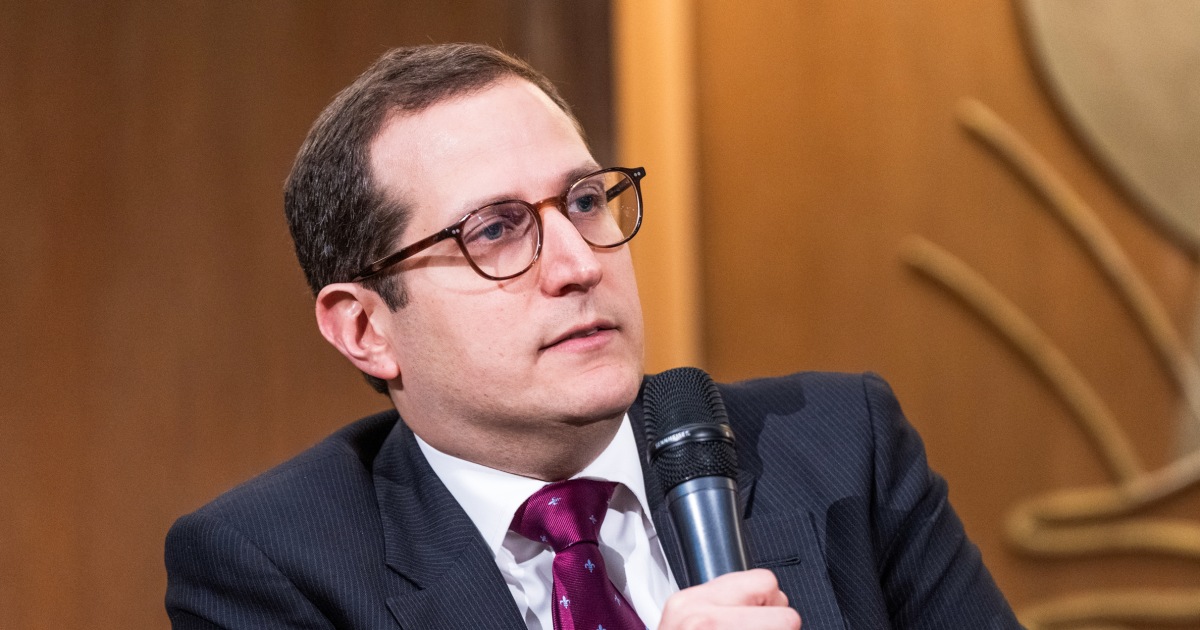
NBC News projects that New York Assemblyman Micah Lasher won the Democratic primary in Manhattan-based 12th Congressional District to succeed Rep. Jerrold Nadler, emerging from a crowded field that included Assemblyman Alex Bores, Jack Schlossberg and George Conway, per NBC News. NBC reports Lasher was backed by major Democratic figures including Gov. Kathy Hochul, former Mayor Michael Bloomberg and retiring Rep. Jerry Nadler, and that an allied group funded largely by Bloomberg spent millions to promote Lasher. NBC reports the race also drew heavy outside spending from competing AI-aligned groups, with the super PAC Think Big, affiliated with the pro-AI group Leading the Future, spending at least $8 million against Bores. The Washington Post frames the contest as a shift from a celebrity-studded primary to an AI proxy war. This result highlights how AI advocacy groups are moving large sums into local federal races, increasing the sectoral political footprint.
What happened
NBC News projects that New York Assemblyman Micah Lasher won the Democratic primary in New York's 12th Congressional District, the Manhattan-based seat represented by retiring Rep. Jerrold Nadler, according to NBC News. The primary field included Assemblyman Alex Bores, Jack Schlossberg and George Conway, per NBC. NBC reports Lasher received endorsements from major Democratic figures including Gov. Kathy Hochul, former Mayor Michael Bloomberg and Rep. Jerrold Nadler. NBC also reports an allied group funded primarily by Bloomberg spent millions on Lasher's behalf.
NBC reports the race featured heavy outside spending from groups aligned with competing positions on artificial intelligence policy, and names the super PAC Think Big, affiliated with the pro-AI group Leading the Future, as having spent at least $8 million opposing Alex Bores. The Washington Post characterizes the contest as shifting from a celebrity contest to an AI proxy war.
Editorial analysis - technical context
Industry-pattern observations: In recent federal and state contests, advocacy groups focused on technology policy have increasingly used PAC spending and targeted ads to influence candidate viability, particularly where regulatory outcomes for AI matter to corporate stakeholders. For practitioners, that trend raises the probability that policy debates over model governance, procurement, and liability will surface earlier in local and congressional campaigns.
Context and significance
Reporting on this race illustrates a broader development where AI-aligned advocacy networks escalate political spending to shape the legislative environment. Observers tracking AI policy and regulation should note that investment flows into individual primaries can amplify particular policy framings and candidate visibility at a local level.
What to watch
- •Fund flows and disclosure filings from groups like Think Big and Leading the Future for details on donors and messaging targets, as reported by NBC.
- •Post-primary messaging and issue positioning from the Lasher campaign and opponents, to see whether AI regulation remains a campaign focal point, per the Washington Post framing.
- •Whether similar AI-aligned spending patterns appear in other 2026 primaries and general-election contests, which would indicate a sustained political strategy from industry actors.
Editorial analysis
For data scientists and policy-focused practitioners, the practical implication is that legislative uncertainty around AI may be shaped increasingly by well-funded outside groups rather than only by party platforms or public interest organizations. That dynamic can affect the timing and content of regulatory proposals, hearings, and procurement decisions at the federal level.
Key Points
- 1Lasher won the Democratic primary in NY-12, aided by high-profile endorsements and allied outside spending, per NBC News.
- 2Competing AI-aligned groups spent heavily in the race, with Think Big reported to have spent at least $8 million against Alex Bores.
- 3Industry pattern: Tech-policy advocacy groups increasingly deploy PAC spending in local federal races, raising policy salience for AI practitioners.
Scoring Rationale
Lasher's NY-12 win is a political election result that drew national attention due to heavy AI PAC spending; the AI policy angle is secondary to the electoral outcome itself. The race illustrates how AI advocacy groups are investing in congressional primaries but the direct impact on AI/DS practitioners depends on subsequent legislative action, not the primary result alone.
Sources
Public references used for this report.
Practice with real Ad Tech data
90 SQL & Python problems · 15 industry datasets
250 free problems · No credit card
See all Ad Tech problems