Meta Breaks Ground on Canada AI Data Center

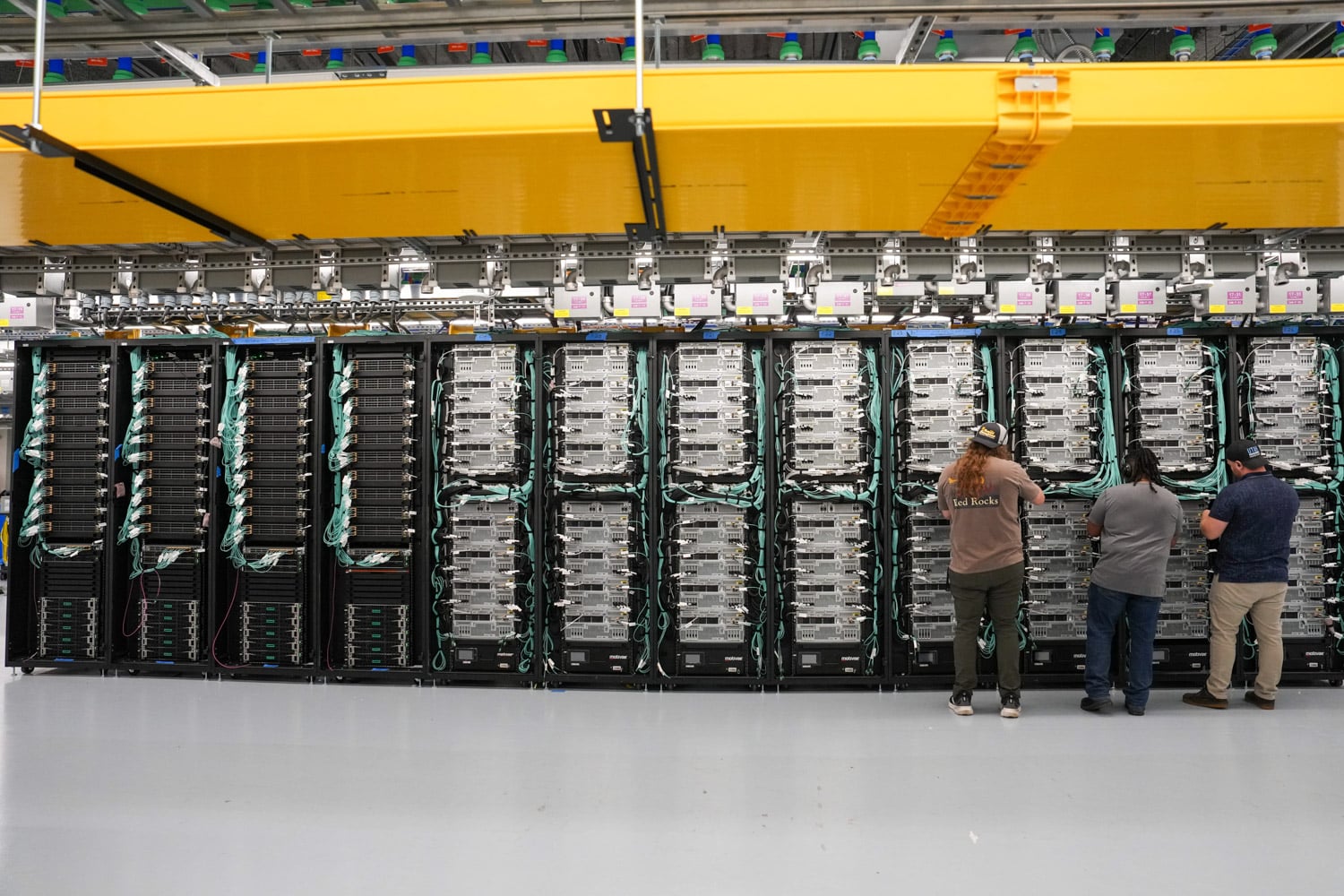
Meta said on July 8, 2026 that it is breaking ground on a 1GW AI data center in Sturgeon County, Alberta, its first Canadian data center and 33rd globally. The company says the site represents more than CAD $13 billion of investment, about 3,000 peak construction jobs, and more than 300 operational roles. For AI practitioners, the important signal is that compute expansion is now tied to regional power, grid buildout, cooling, and water-design choices. Reuters reported through syndication that Alberta's natural gas market and grid capacity are central to the project, while Meta says it will fully fund new generation and grid infrastructure and use a closed-loop, dry-cooling design.
Meta's Alberta build is best read as an AI capacity story with an energy-systems dependency, not just a real-estate announcement. A 1GW campus makes power procurement, grid interconnection, cooling design, and local permitting part of the practical stack behind model deployment and AI products. For teams planning AI workloads, the takeaway is that future capacity will increasingly depend on where hyperscalers can secure both compute infrastructure and credible power plans.
What happened
Meta said on July 8, 2026 that it is breaking ground on a 1GW, AI-optimized data center in Sturgeon County, Alberta. The company described it as Meta's first data center in Canada and its 33rd globally, representing more than CAD $13 billion of investment when complete. Meta also said the project should support about 3,000 construction workers at peak, more than 300 operational jobs, and about CAD $60 million of local infrastructure improvements.
Industry context
Reuters' syndicated reporting adds the power-market context: Alberta has discounted natural gas, cold-weather cooling advantages, and a grid that is heavily tied to gas-fired generation. Meta says it will fully fund new generation and grid infrastructure for the site, while Pembina's Greenlight Electricity Centre materials describe a 932MW gas-fired facility in Sturgeon County that will supply a data center customer under a long-term tolling agreement. That makes the project a useful example of how AI infrastructure is being negotiated as both a compute expansion and an energy-infrastructure buildout.
For practitioners
The practical implication is that AI capacity planning is no longer just a GPU allocation exercise. Latency, regional availability, sustainability claims, customer data residency, and inference cost can all be shaped by where power and grid upgrades are politically and economically feasible. Teams evaluating cloud-region choices should watch whether these hyperscale campuses translate into lower queueing, more predictable high-end accelerator access, or new regional constraints.
What to watch
The open questions are execution and accountability. Pembina has described Greenlight's anticipated in-service timing as the second half of 2030, while Meta says the data center's electricity use will be matched with 100% clean and renewable energy and that the facility will use closed-loop, dry-cooling design with no operational cooling-water use. Those claims matter because local grid reliability, emissions accounting, and water stewardship will decide how much this project improves AI capacity without simply moving costs onto the surrounding region.
Key Points
- 1Meta is starting a 1GW AI-optimized data center in Alberta, its first Canadian facility and 33rd global site.
- 2The CAD $13 billion project links frontier AI capacity to grid buildout, energy sourcing, cooling design, and local permitting.
- 3Reuters' power-market context makes Alberta a live test of how hyperscalers scale AI compute without shifting grid costs.
Scoring Rationale
A 1GW, CAD $13 billion AI-optimized data center from Meta is a major infrastructure commitment with direct implications for AI capacity, energy planning, and regional cloud strategy. It is not a frontier model release, but the size, official sourcing, and Reuters power-market context make it materially important for practitioners tracking compute constraints.
Sources
Public references used for this report.
Practice with real Ad Tech data
90 SQL & Python problems · 15 industry datasets
250 free problems · No credit card
See all Ad Tech problems