Memory Prices Cool as Consumers Reach Affordability Limit
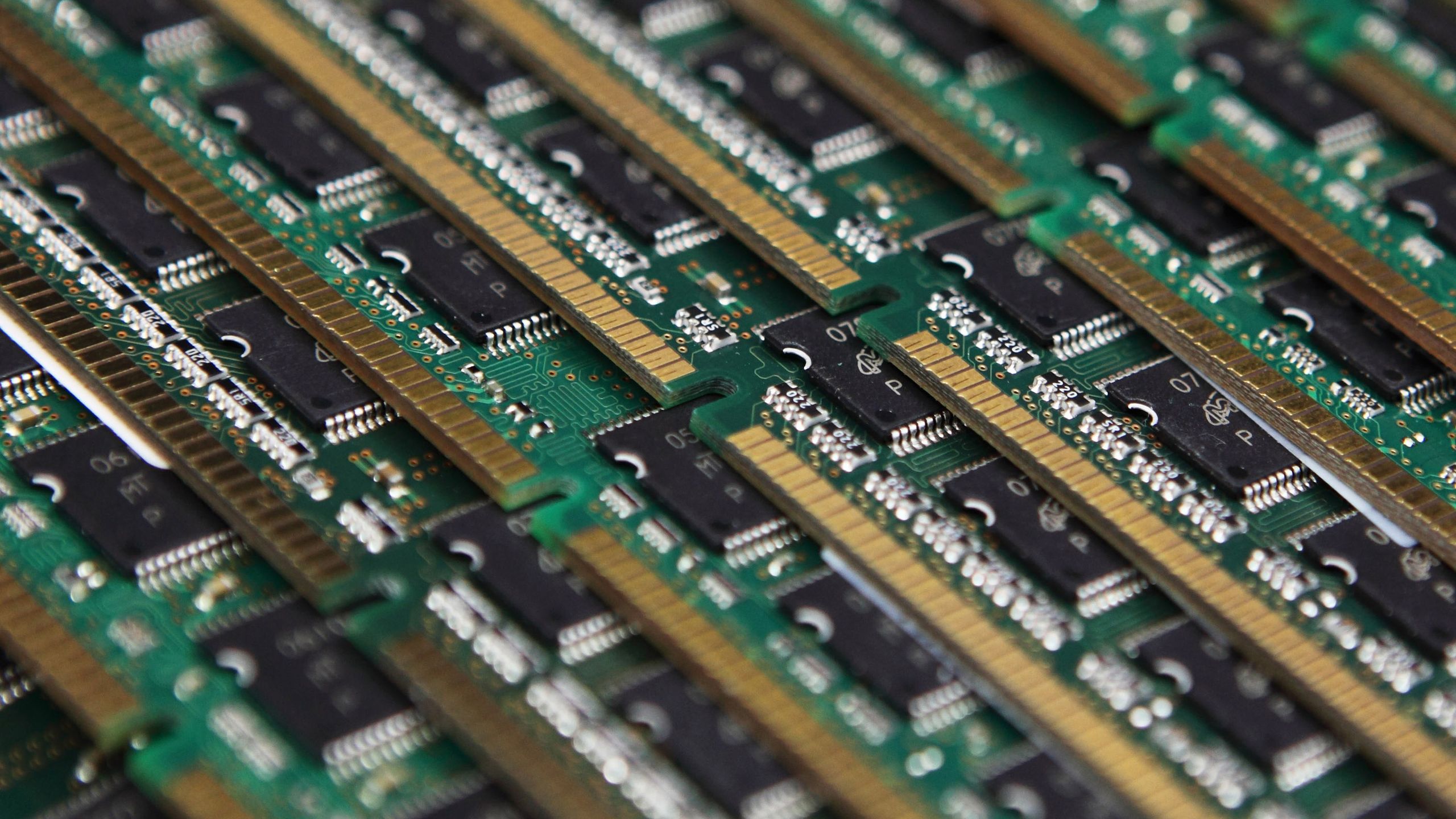
TrendForce said on July 3, 2026 that DRAM contract prices are forecast to rise 13% to 18% in Q3 2026, while NAND Flash prices are expected to rise 10% to 15%. Tom's Hardware framed the report as a cooling of earlier memory-price spikes, not a return to cheap components. For AI infrastructure teams, the important detail is that demand from inference systems, hyperscale data centers, and server products is still absorbing supply even as PC and smartphone buyers push back. Procurement teams should treat the slowdown as a chance to renegotiate timing and inventory, not proof that memory constraints have cleared.
The important infrastructure signal is that memory inflation is moderating, but not disappearing. AI inference, hyperscale data centers, and server products are still shaping the supply curve, so teams planning clusters should treat the Q3 forecast as a procurement timing issue rather than a broad cost relief story.
What happened
TrendForce's July 3, 2026 memory pricing survey forecast conventional DRAM contract prices rising 13% to 18% quarter over quarter in Q3 2026, and NAND Flash contract prices rising 10% to 15%. Tom's Hardware reported the figures as a slowdown from much sharper Q2 increases, while noting that the market remains tight.
Market context
TrendForce attributes the moderation partly to weaker consumer demand and high prior price levels. The same report says AI inference and large-scale data center deployments continue to support NAND Flash demand, while server DRAM remains undersupplied even though some purchases are covered by long-term supply agreements.
For practitioners
The budget impact lands in cluster sizing, refresh timing, and cloud-versus-owned-infrastructure comparisons. If memory-heavy workloads are due for procurement, teams should model multiple pricing paths instead of assuming the Q3 slowdown will reverse the cost curve.
What to watch
The next useful signals are supplier allocation decisions, server DRAM availability, enterprise SSD pricing, and whether consumer demand weakens enough to free meaningful supply. For AI teams, the risk is that cheaper consumer segments do not translate into cheaper server-class capacity.
Key Points
- 1TrendForce forecasts Q3 2026 DRAM contract prices up 13% to 18% and NAND Flash up 10% to 15%.
- 2AI inference, hyperscale data centers, and server products continue to pull supply away from consumer memory markets.
- 3Procurement teams should model memory-price scenarios into cluster budgets, cloud commitments, and hardware refresh timing.
Scoring Rationale
Memory pricing directly affects AI infrastructure budgets, server procurement, and enterprise SSD planning, and the TrendForce source gives concrete Q3 2026 ranges. The story is notable for infrastructure teams but not industry-shaking, so the score moves only slightly upward after adding the primary source.
Sources
Public references used for this report.
Practice interview problems based on real data
1,625 SQL & Python problems across 15 industry datasets — the exact type of data you work with.
Try 250 free problems