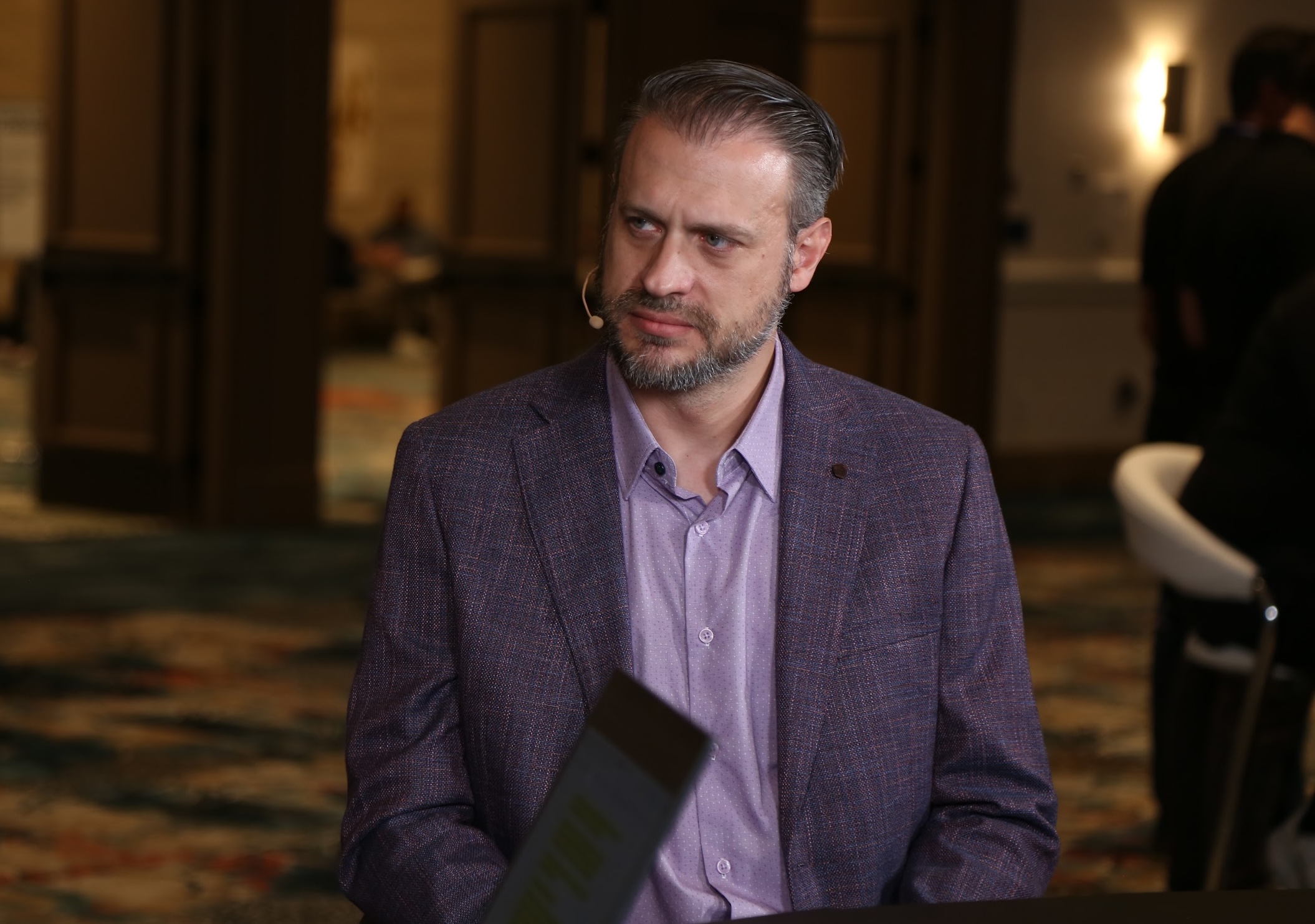
Masayoshi Son Dismisses Orbital Data Center Proposal

Bloomberg reports that Masayoshi Son dismissed Elon Musk's proposal to build data centers in orbit during SoftBank's mobile-unit annual shareholder meeting on Tuesday. Per Bloomberg, Son argued that potential electricity-cost savings from space-based facilities are small relative to hardware expenses such as chips, and that savings would be offset by higher transport and maintenance costs as well as communication delays. Bloomberg frames Son's remarks as an assertion that the AI race will be decided by compute on Earth. The comments come amid heightened investor attention to large-scale compute and data-center economics, Bloomberg reports.
What happened
Bloomberg reports that Masayoshi Son dismissed Elon Musk's idea to build data centers in orbit during SoftBank's mobile-unit annual shareholder meeting on Tuesday. Per Bloomberg, Son said the main theoretical benefit, lower electricity costs, is small compared with capital hardware expenses such as chips. Bloomberg adds Son noted the tradeoffs would include higher transport and maintenance costs and communication delays. Bloomberg also reports that Son predicted the AI race will be decided by compute on Earth.
Editorial analysis - technical context
Companies and analysts evaluating extreme-location compute options typically weigh three cost buckets: hardware (servers and accelerators), power and cooling, and logistics/maintenance. Industry reporting indicates that for most hyperscale and AI workloads, hardware costs and the amortized price of accelerators dominate economics, which reduces the relative impact of marginal electricity savings. Observed patterns in deployments show that network latency and reliability constraints make non-terrestrial hosting unattractive for latency-sensitive model training and distributed storage workloads.
Industry context
Industry observers note that proposals to relocate compute (for example, to specialized locations for cheap power or favorable regulation) recur during periods of rapid model scaling. Such proposals often face practical constraints: supply-chain logistics, physical maintenance, interconnect bandwidth, and latency tradeoffs. For practitioners, these tradeoffs influence whether to optimize cluster placement for energy cost, bandwidth, or latency. Reporting by Bloomberg places Son's remarks in that broader debate about where the next increments of large-scale AI compute will be provisioned.
What to watch
Indicators to follow include power-price arbitrage in major data-center regions, advances in long-haul optical and satellite communications that could lower latency, changes in freight or launch costs that affect transport economics, and vendor roadmaps for accelerator cost per FLOP. Observers will also watch public statements and technical analyses from major cloud and hyperscale operators on acceptable latency and throughput envelopes for large-model training.
Key Points
- 1Bloomberg reports Masayoshi Son rejected orbital data centers, citing minimal electricity savings versus hardware costs and added logistics.
- 2Industry-pattern observation: hardware and accelerator costs usually dominate AI data-center economics, limiting value of extreme-location power savings.
- 3For practitioners, latency, bandwidth, and maintenance often outweigh marginal energy-cost gains when planning large-scale model training deployments.
Scoring Rationale
The remarks come from a high-profile investor and address an unconventional infrastructure idea, but they do not change current technical constraints or introduce new capabilities. The story is notable for industry debate and economics rather than immediate operational impact.
Sources
Public references used for this report.
View 7 more sources
- SoftBank CEO questions Elon Musk's vision of AI data centers in spacebusinessinsider.com
- Masayoshi Son dismisses Musk's idea for orbital data centersjapantimes.co.jp
- Softbank CEO Shoots Down Musk's Plan for Orbital Data Centers as SpaceX Stock Falls Back to Earthgizmodo.com
- SoftBank's Son Rejects Musk's Space Data Center Pushuk.finance.yahoo.com
- SoftBank's founder picks side in space data center fightthestreet.com
- SoftBank's Masayoshi Son dismisses Musk's idea for orbital data centersbusinesstimes.com.sg
- SoftBank's Masayoshi Son Rejects Musk's Vision for Space-Based Data Centerscitybiz.co
Practice with real Banking data
90 SQL & Python problems · 15 industry datasets
250 free problems · No credit card
See all Banking problems