Linux Developers Use Copilot to Revive R600 Driver
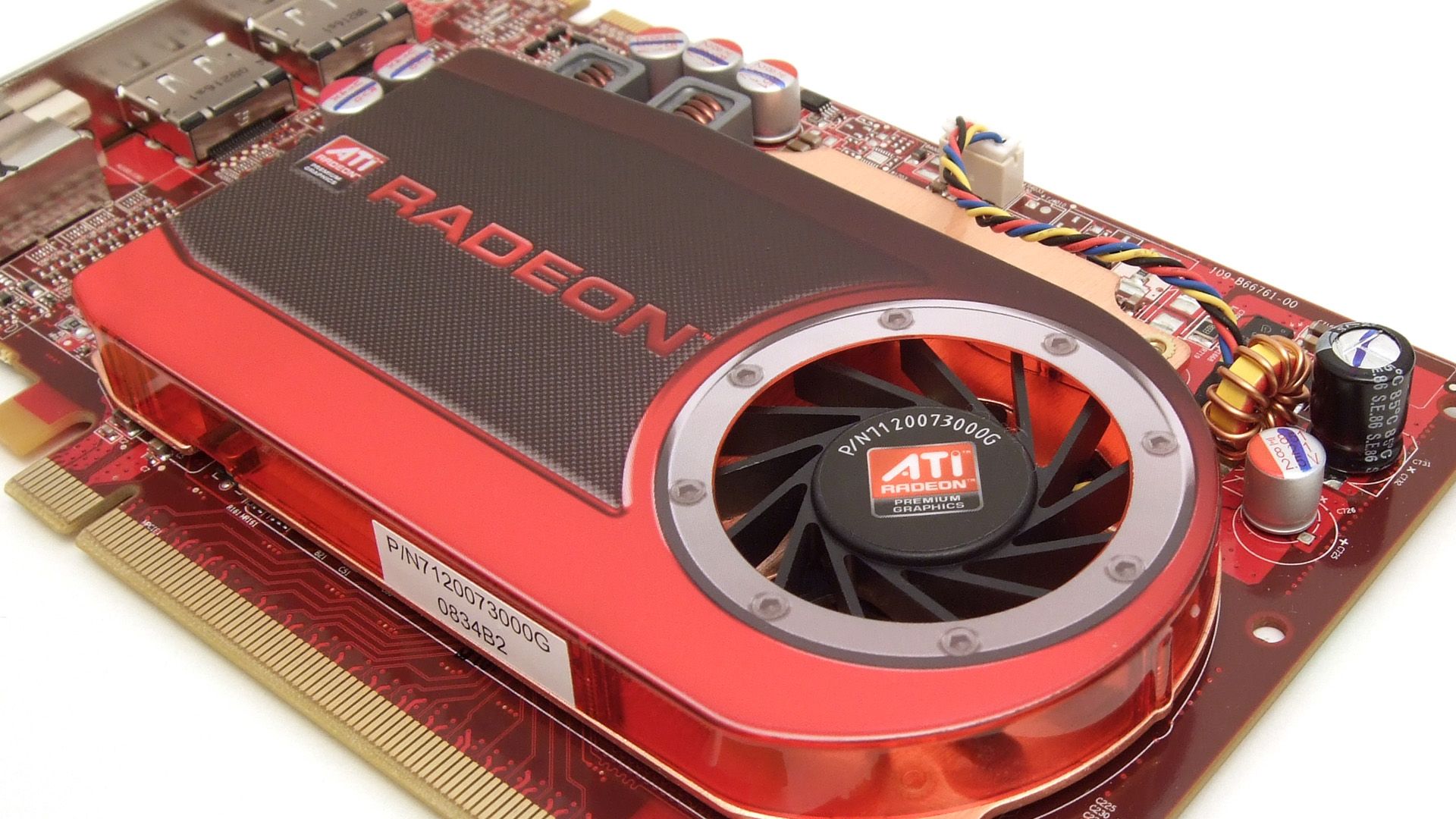
Phoronix reports that open-source developer Gert Wollny landed 59 commits cleaning up the vintage AMD R600 Gallium3D driver in Mesa 26.2, with each commit noting the refactoring was done "with the help of Copilot (auto mode)" (Phoronix). The R600g driver supports Radeon HD 2000 through HD 6000 GPUs, a family that traces to the original R600 series in 2007 (Phoronix). The changes mainly refactor shader-compiler code rather than add features. Tom's Hardware also covers the work and notes ongoing developer discussion about a legacy "Amber2" branch to separate older drivers, plus a Linux policy that requires tagging when AI assists kernel code (Tom's Hardware). The case is a concrete example of GitHub Copilot assisting long-term maintenance of legacy GPU drivers, with human review and testing still central.
What happened
Phoronix reports that open-source developer Gert Wollny submitted 59 commits cleaning up the AMD R600 Gallium3D driver, with the work merged into Mesa 26.2 (Phoronix). Each commit notes the refactoring was done "with the help of Copilot (auto mode)," making the AI assistance explicit in the project history (Phoronix). The R600g driver covers Radeon HD 2000 through HD 6000 graphics cards, a family that dates to the original R600 series in 2007 (Phoronix).
Technical scope
Per Phoronix, the changes primarily refactor shader-compiler code in the R600g driver, along with other cleanups, rather than adding new capabilities or a new driver architecture (Phoronix). The work landed in Mesa 26.2, part of the userspace graphics stack, rather than in the core Linux kernel tree, because the R600 Gallium3D implementation lives in Mesa (Phoronix).
Provenance and policy
Tom's Hardware also covered the cleanup and reported continuing developer discussion about creating a legacy branch named "Amber2" to separate older drivers from ongoing Mesa development (Tom's Hardware). Tom's Hardware further noted broader coverage of a Linux policy requiring proper tagging when AI assists kernel code, underscoring growing attention to provenance for AI-assisted patches (Tom's Hardware).
Why it matters
Editorial analysis
Legacy GPU drivers often persist in open-source stacks long after vendor support ends because users and distributions still depend on them. This case illustrates a practical maintenance path, pairing a knowledgeable maintainer with AI-assisted editing and standard code review, and it adds a real-world data point on how assistive coding tools are being used and disclosed in established projects.
What to watch
- •Whether more Mesa or kernel contributors annotate commits with AI assistance, and whether projects formalize tooling for provenance and review.
- •The status of the proposed "Amber2" legacy-driver branch discussions reported by Tom's Hardware.
- •Whether distributions adopt explicit policies for testing and accepting AI-assisted contributions.
Key Points
- 1Maintainer Gert Wollny used GitHub Copilot to land a 59-commit cleanup of the vintage AMD R600 driver in Mesa 26.2, per Phoronix.
- 2Commit messages explicitly tag Copilot "auto mode," reflecting growing provenance norms for AI-assisted contributions to kernel-adjacent code.
- 3AI tools can ease the maintenance burden on legacy drivers, but human review, testing, and final acceptance remain essential.
Scoring Rationale
A concrete, well-documented example of AI-assisted maintenance (GitHub Copilot) in a legacy open-source GPU driver, relevant to maintainers and to the emerging norms around disclosing AI-authored code. The narrow scope (a single vintage driver cleanup, no new architecture or frontier capability) places it in the solid-but-niche band rather than higher.
Sources
Public references used for this report.
Practice with real Ad Tech data
90 SQL & Python problems · 15 industry datasets
250 free problems · No credit card
See all Ad Tech problems