Karachi expands AI traffic cameras across major junctions
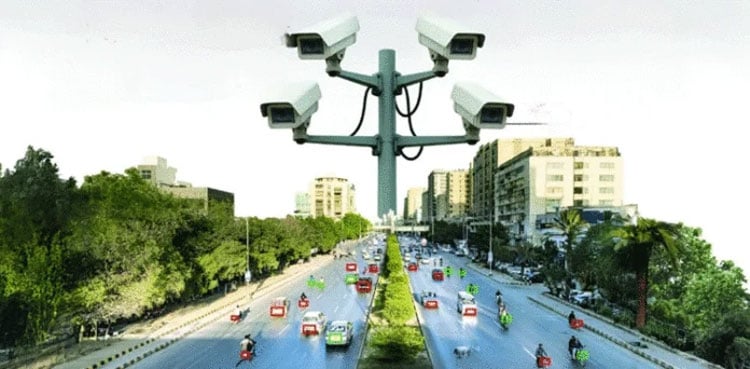
According to ARY News, Karachi traffic authorities plan to expand an AI-powered traffic enforcement system to Airport Road, Clifton, and the Do and Teen Talwar junctions by August 2026. Per ARY, the system is being piloted on Shahrah-e-Faisal with 20 high-resolution ANPR cameras operating 24/7 up to Drigh Road and is issuing an average of 100 challans daily for lane violations. ARY reports the system routes potential exceptions such as breakdowns and emergencies for manual review, and offers a one-time deferment option rather than a first-offence waiver. Reported fines are Rs. 2,500 for motorcycles and rickshaws, Rs. 5,000 for cars, Rs. 7,500 for buses, and Rs. 10,000 for dumpers and tankers. City-wide AI enforcement rollouts typically raise questions about accuracy, due process, and data governance for practitioners and city administrators.
What happened
According to ARY News, Karachi authorities plan to expand an AI-powered traffic enforcement system to Airport Road, Clifton, and the Do and Teen Talwar junctions by August 2026. Per ARY, the system is currently piloted on Shahrah-e-Faisal using 20 high-resolution ANPR cameras operating around the clock up to Drigh Road and is issuing an average of 100 challans daily for lane violations.
Technical details
Per ARY, the deployed cameras use ANPR capability to detect lane violations and the reported workflow includes automated detection plus a manual-review path for incidents that appear to involve breakdowns, potholes, or genuine emergencies. ARY reports a one-time deferment option is available for drivers, and lists fines as Rs. 2,500 for motorcycles and rickshaws, Rs. 5,000 for cars, Rs. 7,500 for buses, and Rs. 10,000 for dumpers and tankers.
Editorial analysis - technical context
City deployments of camera-based enforcement commonly combine ANPR with lane-detection models and heuristics to reduce false positives. Observed patterns in similar rollouts include the need for calibrated detection thresholds, robust logging for appeals, and procedures for manual review when sensors encounter edge cases.
Context and significance
Editorial analysis
For practitioners, this type of municipal deployment is a practical example of computer vision systems operating in noisy, safety-critical environments. Implementation details such as video quality, occlusions, night performance, and the manual-review workflow will materially affect false-positive rates and public acceptance.
What to watch
Observers should track published accuracy or error-rate statistics, the appeals process and time-to-resolution for contested challans, and any public statements or data-sharing policies from city authorities. Per ARY, the pilot has already coincided with improved traffic flow on Shahrah-e-Faisal, which city authorities cite as an early impact indicator.
Key Points
- 1Karachi will extend AI traffic enforcement to key arteries by August 2026, expanding a Shahrah-e-Faisal pilot that uses 20 ANPR cameras.
- 2Reported operational safeguards include manual review for emergencies and a one-time deferment option, addressing common false-positive concerns.
- 3For practitioners, urban CV deployments highlight trade-offs between detection thresholds, appeals workflows, and public trust.
Scoring Rationale
This is a regional urban computer-vision deployment story from Karachi, useful as a practitioner case study in applied ANPR enforcement systems including appeals workflows and edge-case handling. The story is locally focused with limited international significance, placing it in the solid-but-niche range.
Sources
Public references used for this report.
Practice interview problems based on real data
1,625 SQL & Python problems across 15 industry datasets — the exact type of data you work with.
Try 250 free problems