Jury Weighs Musk Lawsuit Against OpenAI and Microsoft
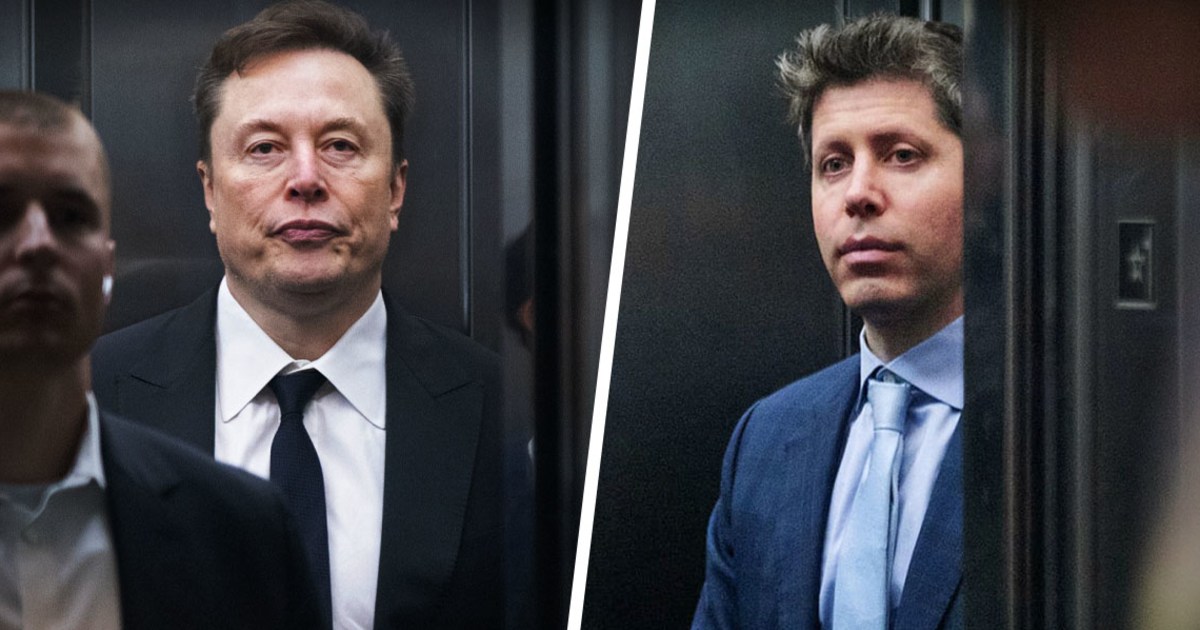
A nine-person jury in Oakland federal court will decide whether Elon Musk's suit alleging that Sam Altman, Greg Brockman and OpenAI 'stole a charity' has legal merit, with deliberations beginning this week, reporting by The Guardian notes. Reporting by TheNextWeb and Reuters shows Microsoft committed $13 billion to OpenAI and that trial exhibits included a January 2023 memo projecting a $92 billion return on that investment. Witnesses who testified include OpenAI president Greg Brockman and Microsoft CEO Satya Nadella, according to the BBC and The Guardian. Fox Business reports Elon Musk is seeking up to $150 billion in damages. The trial tests legal claims about nonprofit-to-for-profit restructuring and investor conduct, a governance issue with broad implications for AI organisations.
What happened
A federal trial in Oakland will place a nine-person jury at the center of a high-profile dispute in which Elon Musk alleges that Sam Altman, Greg Brockman and OpenAI broke the charity's founding agreement by converting the organisation into a commercial enterprise, reporting by The Guardian states. The trial record includes private messages, emails and corporate documents entered by both sides, The Guardian and the BBC report. Witnesses who took the stand include Greg Brockman, who testified about a heated 2017 meeting with Elon Musk, per the BBC, and Satya Nadella, who also testified, according to The Guardian. Trial exhibits presented by Musk's counsel include a January 2023 memo discussed in court that, reporting by TheNextWeb shows, projected a $92 billion return on Microsoft's cumulative OpenAI investment.
Technical details
Editorial analysis - technical context
The proceedings largely hinge on corporate governance documents, board minutes and private communications rather than technical model performance. For practitioners, the record highlights how contractual language around mission, governance and control can intersect with capital structures that enable large-scale compute and commercial deployment, for example platform integrations such as embedding ChatGPT into cloud services.
Context and significance
Public reporting frames Microsoft's relationship with OpenAI as both strategic and financial. TheNextWeb summarises internal Microsoft communications shown at trial that characterise the company's $13 billion commitment to OpenAI as driven by competitive concerns. Reuters and The New York Times reporting show Sam Altman defended OpenAI's restructuring on the witness stand. Fox Business and other outlets report Musk is seeking sizable damages, with figures cited up to $150 billion in some coverage. Collectively, coverage places investor agreements and expected returns at the center of the dispute, rather than purely technical or safety questions.
What to watch
Reported courtroom moments
Court testimony produced emotionally charged exchanges: the BBC reports Greg Brockman told jurors he feared Elon Musk might strike him during a 2017 meeting, and The Guardian describes lengthy, combative cross-examinations of both Musk and Sam Altman. TheNextWeb summarises trial exhibits presented by Musk's attorneys that include internal Microsoft emails and memos describing strategic motives and financial projections for the partnership.
Practical implications for AI/ML teams
Editorial analysis
Observers will follow the jury's handling of documentary evidence about board decisions, investor memoranda and the legal standards for breach of charitable trust and unjust enrichment. Industry observers will also monitor whether court findings prompt changes in how AI startups draft founding charters, investor agreements, and mission-protection mechanisms. For practitioners, the case underscores that governance and legal frameworks can materially affect access to capital, partnership structures, and how research organisations manage commercialisation.
Engineering and research leaders negotiating partnerships or spinouts should treat governance provisions, investor rights and mission-protection clauses as operationally consequential. While the courtroom record is not a technical precedent, the outcome could influence future investor term sheets, nonprofit-to-profit transitions, and how legal risk is evaluated when aligning research goals with large cloud or platform partners.
Key Points
- 1Jury will decide Musk's claims that OpenAI's founders breached a charitable trust, placing governance language under legal scrutiny.
- 2Court exhibits shown by Musk's team emphasise Microsoft's $13 billion commitment and a $92 billion projected return, reframing the investment as financially driven.
- 3Industry observers note similar disputes often prompt stricter founding charters and investor protections for research organisations.
Scoring Rationale
The trial involves leading AI companies and large-scale investments, making its governance findings relevant to practitioners and investors. It is not a technical breakthrough, but the legal outcome could materially affect funding and partnership structures across the AI sector.
Sources
Public references used for this report.
View 7 more sources
- 'I thought he was going to hit me,' OpenAI co-founder says of Muskbbc.com
- Nadella feared Microsoft would become 'the next IBM' as $92B OpenAI return projection revealed at trialthenextweb.com
- Elon Musk says he was a 'fool' for funding OpenAI: reportfoxbusiness.com
- Microsoft (MSFT) CEO to Take the Stand as OpenAI vs Musk Trial Heats Uptipranks.com
- Musk OpenAI Lawsuit Puts Microsoft AI Partnership And ...finance.yahoo.com
- OpenAI lawsuit: Elon Musk criticises Microsoft's role and $10 billion ...moneycontrol.com
- Elon Musk may have just told Microsoft - The Times of Indiatimesofindia.indiatimes.com
Practice interview problems based on real data
1,625 SQL & Python problems across 15 industry datasets — the exact type of data you work with.
Try 250 free problems