Johns Hopkins Detects Liver Disease Using Fragmentome
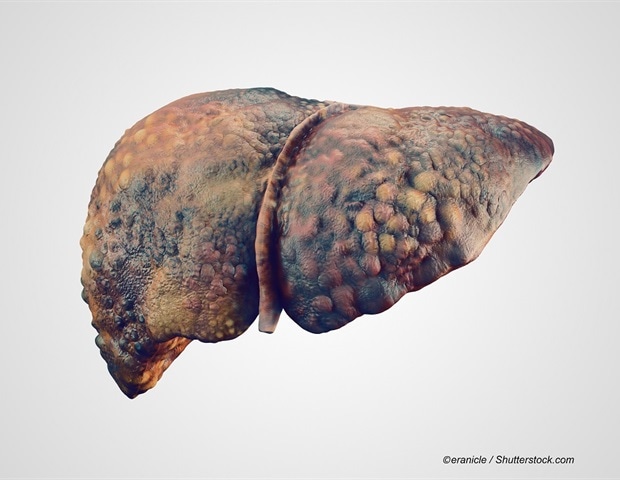
Researchers at Johns Hopkins Kimmel Cancer Center report March 4 in Science Translational Medicine that an AI-based liquid biopsy analyzing genome-wide cell-free DNA fragmentation patterns and repeat landscapes detected early liver fibrosis and cirrhosis in a study of 1,576 people. The team analyzed roughly 40 million fragments per sample and trained machine-learning classifiers to identify disease-specific signatures; the assay is a prototype requiring further validation before clinical use.
Key Points
- 1Detects early liver fibrosis and cirrhosis using genome-wide cfDNA fragmentation and repeat landscapes in 1,576 subjects
- 2Enables sensitive nonmutational disease signatures across ~40 million fragments per sample for broader chronic-disease detection
- 3Supports developing disease-specific classifiers for screening and prognosis but requires further validation before clinical use
Scoring Rationale
High novelty and peer-reviewed validation, but prototype status and limited disease-specific classifiers limit immediate clinical impact.
Practice interview problems based on real data
1,625 SQL & Python problems across 15 industry datasets — the exact type of data you work with.
Try 250 free problems