John Legend Urges Creator Protections in AI Music Debate
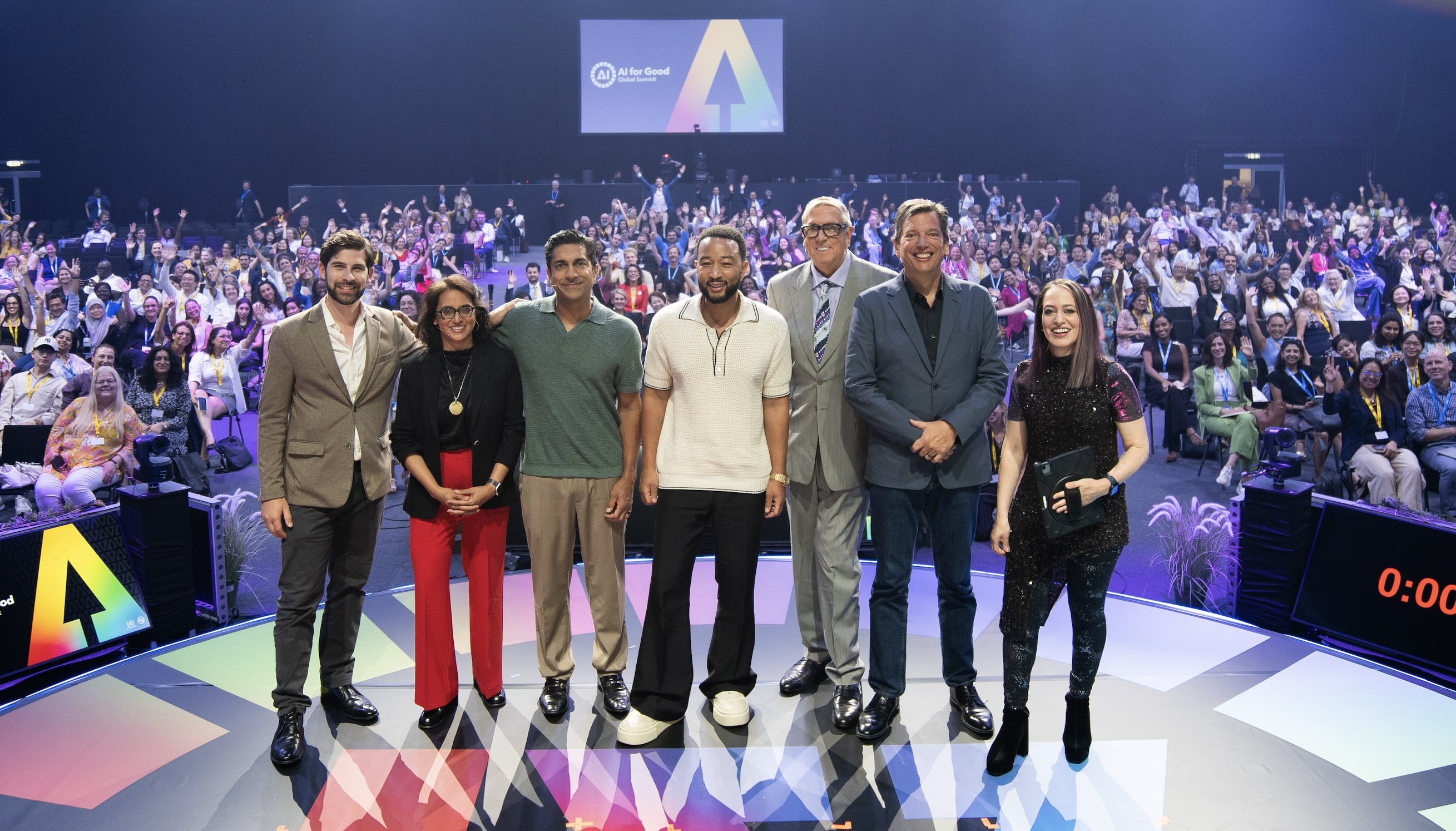
John Legend joined leaders from Universal Music Group, Udio, Stability AI, Splice, and NVIDIA at the AI for Good summit to discuss how generative AI is changing music. The discussion centered on music creation, discovery, copyright, compensation, artist control, and the relationship between creators and AI systems. Legend argued that AI can assist artists, while policy and industry structures still need to protect creative work as a viable career. For practitioners, the useful signal is that music AI is moving beyond model capability toward operating rules for consent, provenance, payment, and creative control. The session announced no binding standard, so the next evidence should come from product terms, licensing contracts, training-data disclosures, and measurable payment mechanisms.
The most important signal from this music-industry panel is that product design and creator economics are converging. AI music companies are no longer debating capability in isolation; they are being pressed to explain whose work trains a system, who controls the resulting tools, and how creators participate in the value those tools generate. For developers, labels, and platforms, those questions belong in technical requirements and commercial contracts, not only public principles.
What happened
John Legend joined leaders from Universal Music Group, Udio, Stability AI, Splice, and NVIDIA at the AI for Good summit to discuss how generative AI is changing music. The official program framed the session around music creation, production, discovery, human expression, copyright, compensation, and the relationship between artists and machines. Music Business Worldwide independently reported the completed panel and described the participants' positions on artist protection, licensed development, remuneration, creative control, and model guardrails.
Legend argued that AI can assist artists, while policy and industry structures still need to protect creative work as a viable career. The panel also brought UMG together with companies that are already its partners in AI music tools and services. That mix matters because the discussion involved organizations making real product and licensing choices, not only observers describing possible future effects.
Industry context
The panel showed how AI music debates are shifting from abstract ethics toward product design, licensing, compensation, and creator control. Different speakers emphasized human-led creation, licensed inputs, payment for participating artists, and controls around how models are built and used. Those positions do not establish a shared industry standard, and they do not resolve disputes over training rights or revenue allocation. They do show where the commercial contest is moving: from whether generative music will exist to which governance model can earn creator and customer trust.
For music companies, an artist-first label becomes meaningful only when it changes system behavior and contractual rights. A platform can document training sources, make consent legible, preserve attribution through workflows, restrict identity imitation, provide dispute paths, and report how compensation is calculated. Without those mechanisms, supportive language is difficult to audit and easy to apply inconsistently.
For practitioners
Developers should treat provenance, consent, payment, and output controls as product requirements rather than optional policy language. Dataset records need rights and restriction metadata that survives preprocessing. Model and application teams need enforceable controls for voice or style requests, plus logs that support review without exposing sensitive creative work. Product leaders should define who can withdraw permission, how existing outputs are handled, and what evidence a creator receives when challenging a result.
The same discipline applies to business claims. A partnership, panel statement, or licensed pilot is not proof that a compensation model works at scale. Teams should separate announced principles from deployed controls, signed rights, payment flows, and independently testable outcomes.
What to watch
The next test is whether artist-first commitments become auditable contracts, training-data rules, and revenue mechanisms across deployed tools. Watch for precise licensing terms, creator opt-in or opt-out processes, provenance that survives distribution, and evidence that payment systems work beyond a limited pilot. Also watch whether companies publish measurable guardrails and enforcement results. The panel identified common pressure points; implementation will determine whether those points become durable practice.
Key Points
- 1The panel showed how AI music debates are shifting from abstract ethics toward product design, licensing, compensation, and creator control.
- 2Developers should treat provenance, consent, payment, and output controls as product requirements rather than optional policy language.
- 3The next test is whether artist-first commitments become auditable contracts, training-data rules, and revenue mechanisms across deployed tools.
Scoring Rationale
The panel brings a major artist, a global label, and several AI music vendors into one public discussion about creator safeguards and commercial practice. It is a solid industry signal, but it announced no binding standard or product release.
Sources
Primary source and supporting public references used for this report.
Practice interview problems based on real data
1,625 SQL & Python problems across 15 industry datasets — the exact type of data you work with.
Try 250 free problems