
John Lee Shares AI-Generated Mother's Day Card
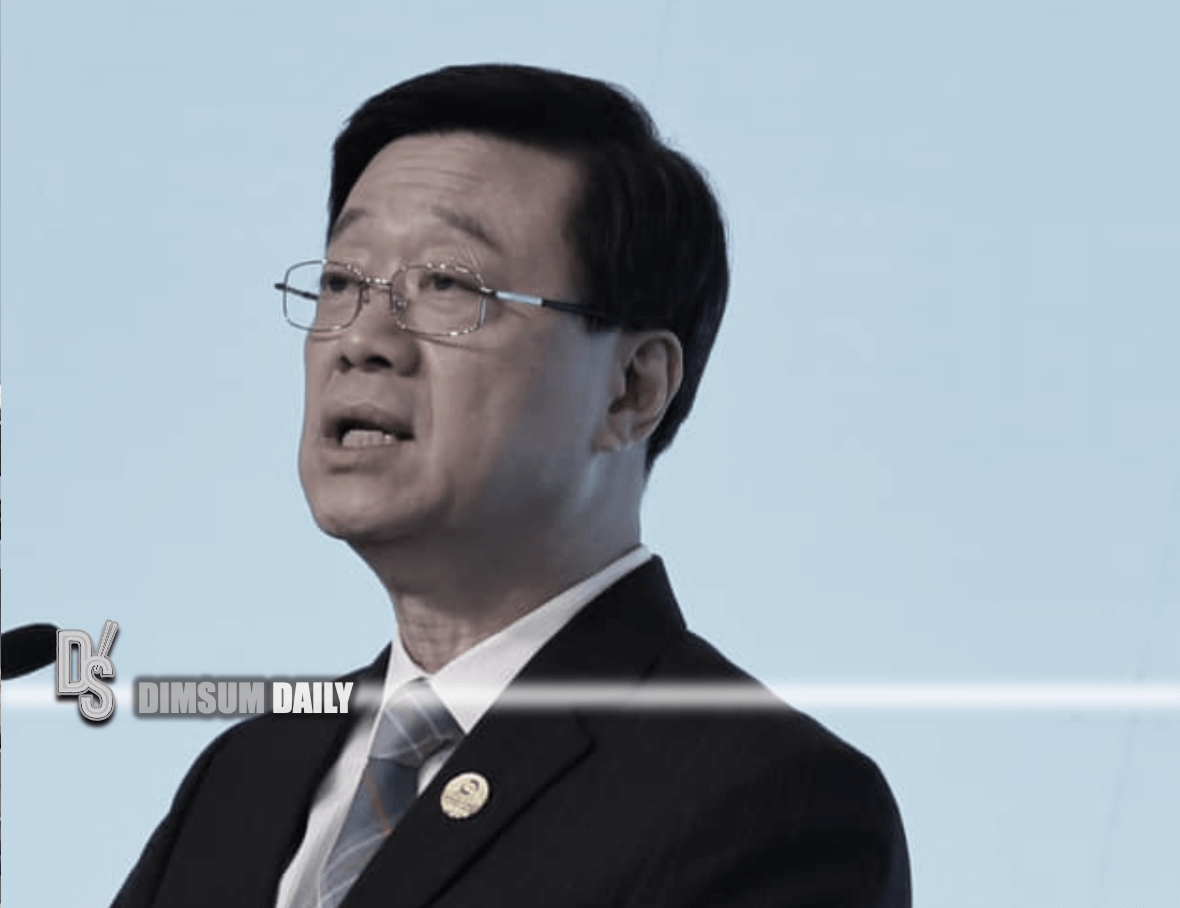
Hong Kong Chief Executive John Lee posted an AI-generated Mother's Day greeting card on his social media account, according to dimsumdaily.hk and DotDotNews. Dimsumdaily.hk reports the post, on Facebook, included the message "Wishing all mothers a Happy Mother's Day." Both outlets describe the card as a cartoon-style illustration of a family of four showing John Lee, his wife Janet Lee, and their two sons as young children, with carnations and heart motifs. DotDotNews reports that John Lee specifically mentioned he designed and generated the greeting card using AI.
What happened
Hong Kong Chief Executive John Lee posted an AI-generated Mother's Day greeting card on his social media account, according to dimsumdaily.hk and DotDotNews.
Dimsumdaily.hk reports the post was shared on Facebook and that the text in the post read, "Wishing all mothers a Happy Mother's Day."
Both dimsumdaily.hk and DotDotNews describe the card as a cartoon-style illustration of a family of four, showing John Lee, his wife Janet Lee, and their two sons as young children, decorated with carnations and heart motifs.
DotDotNews reports that John Lee specifically mentioned he designed and generated the greeting card using AI.
Editorial analysis - technical context
Public figures using generative image tools for social posts is an increasingly visible application of consumer AI. Industry reporting commonly notes that contemporary image generators produce cartoon and illustrative outputs well suited to greeting cards, while model choice, prompt engineering, and post-processing determine stylistic details.
Industry context
For practitioners, these incidents highlight two recurring themes: provenance and attribution, and the ease of producing personalised media at scale. Observers in media and policy debates have flagged provenance controls such as visible watermarks or metadata as ways to improve transparency for AI-generated images.
Generative-image usage by public officials can also raise practitioner-facing considerations around copyright (training-data sources), likeness rights, and moderation policies when images depict real people. These are broader sectoral issues noted in recent coverage of AI artwork and public communication.
What to watch
For practitioners: monitor whether platforms or public offices adopt visible provenance markers for AI-created imagery, which affects content verification workflows.
For practitioners
watch reporting or platform metadata that specifies which tools or models were used, since that can matter for reproducibility and rights assessment.
track any follow-up statements from official channels clarifying creation process or usage rights, as those disclosures influence legal and operational handling of generated media.
Key Points
- 1Public officials posting AI-generated visuals make generative tools a mainstream communication channel with visibility beyond tech circles.
- 2Ease of producing personalised illustrated content explains rising use for greetings, but raises provenance and copyright questions for practitioners.
- 3Visible provenance, tool disclosure, and platform metadata materially affect verification, rights assessment, and downstream reuse decisions.
Scoring Rationale
This is a low-impact but visible example of generative AI in public communications; it is notable for cultural visibility rather than technical novelty or industry disruption.
Sources
Public references used for this report.
Practice interview problems based on real data
1,625 SQL & Python problems across 15 industry datasets — the exact type of data you work with.
Try 250 free problems

