
Jamie Dimon Endorses Trillion-Dollar AI Capex Boom
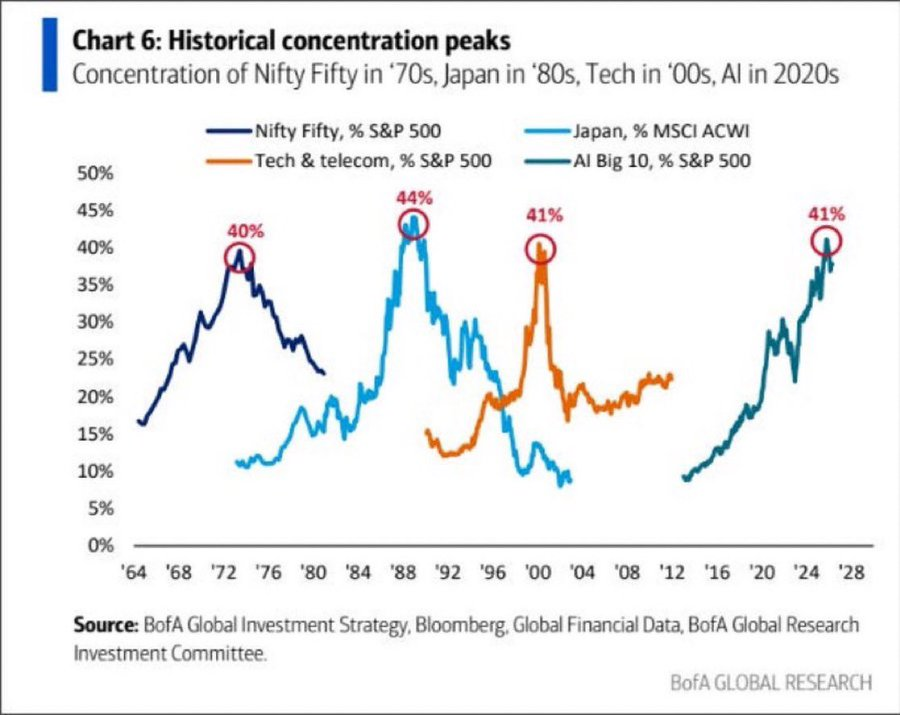
JPMorgan Chase CEO Jamie Dimon stood with Anthropic CEO Dario Amodei at an Anthropic financial-services briefing in New York and said, "The technology is so powerful, it's worth the trillion-dollar investment," according to Axios. Dimon also said banks have met to "triage the issues" after recent model safety concerns, and warned "the government can't do all that," Axios reports. Fortune reports Anthropic unveiled a suite of pre-built AI agents and introduced Claude Opus 4.7, aimed at financial workflows, and that Anthropic is part of a reported $1.5 billion joint-venture effort with private-equity and banking partners, a figure The Wall Street Journal reported and Fortune noted Anthropic has not confirmed. The coverage frames the event as both a product push by Anthropic and a high-profile endorsement of large-scale AI infrastructure spending.
What happened
Jamie Dimon, CEO of JPMorgan Chase, appeared alongside Anthropic CEO Dario Amodei at an Anthropic briefing in New York and said, "The technology is so powerful, it's worth the trillion-dollar investment," according to Axios. Axios also reports Dimon said banks have convened to "triage the issues" following recent concerns around powerful models and added, "The government can't do all that."
Technical details
Per Fortune, Anthropic announced a suite of pre-built AI agents tailored to large banks and debuted Claude Opus 4.7 as its most capable model for financial work to date. Fortune reports Anthropic also outlined a two-track commercial approach: one serving the largest institutions with configurable agent tooling, and another aimed at mid-market customers via a private-equity-backed joint venture. Fortune cites a report in The Wall Street Journal that the joint venture represents about $1.5 billion, and notes that Anthropic has not confirmed that figure.
Editorial analysis
Large public endorsements from bank leadership and major enterprise product announcements together change the narrative from speculative consumer demand to enterprise-driven justification for heavy infrastructure spending. Companies building comparable stacks often rely on sustained, high-margin enterprise contracts to amortize massive compute and data-center investments. Observers following the sector will interpret a major financial-industry push as a test of whether enterprise revenue can meaningfully match the pace of capex growth.
Context and significance
Anthropic's focus on reliability, safety, and finance-specific models aligns with broader industry behavior where frontier labs seek durable enterprise contracts rather than transient consumer traction. Fortune frames the move as an "operating layer for Wall Street," with multi-year integrations and usage volumes that can drive both revenue and continued capital deployment. Dimon's public endorsement, as reported by Axios, provides a high-profile signal to investors and corporate buyers that large-scale spending on AI infrastructure is defensible at senior-bank levels.
What to watch
- •Adoption metrics and contract structures announced by Anthropic and its partners, especially any confirmed terms for the reported $1.5 billion joint venture.
- •Performance and safety evaluations of Claude Opus 4.7 in regulated financial workflows, and any third-party validation or audits.
- •Regulatory or interbank coordination outcomes following the "triage" conversations Dimon referenced; watch statements from Treasury and the Federal Reserve mentioned in reporting.
For practitioners
track enterprise integration patterns (agent orchestration, data residency, auditability) emerging from Anthropic's briefings, since these will inform deployment architectures and operational controls across financial services.
Key Points
- 1A public endorsement by JPMorgan's CEO frames large-scale AI infrastructure as macroeconomic investment, supporting investor appetite for capex.
- 2Anthropic's announcements emphasize enterprise deployments-pre-built agents and Claude Opus 4.7-which align revenue models with long-term infrastructure spending.
- 3Reported joint-venture capital (reported $1.5 billion) signals growing private-equity and bank interest in forward-deployed AI engineering for mid-market customers.
Scoring Rationale
A major bank CEO publicly endorsing trillion-dollar AI capex and Anthropic's targeted enterprise push are notable for practitioners because they strengthen the enterprise revenue narrative that can justify continued infrastructure investment. The story is a significant industry development but not a technical paradigm shift.
Sources
Public references used for this report.
Practice interview problems based on real data
1,625 SQL & Python problems across 15 industry datasets — the exact type of data you work with.
Try 250 free problems

