Italian Broadcaster Triggers YouTube Takedown of Nvidia DLSS 5
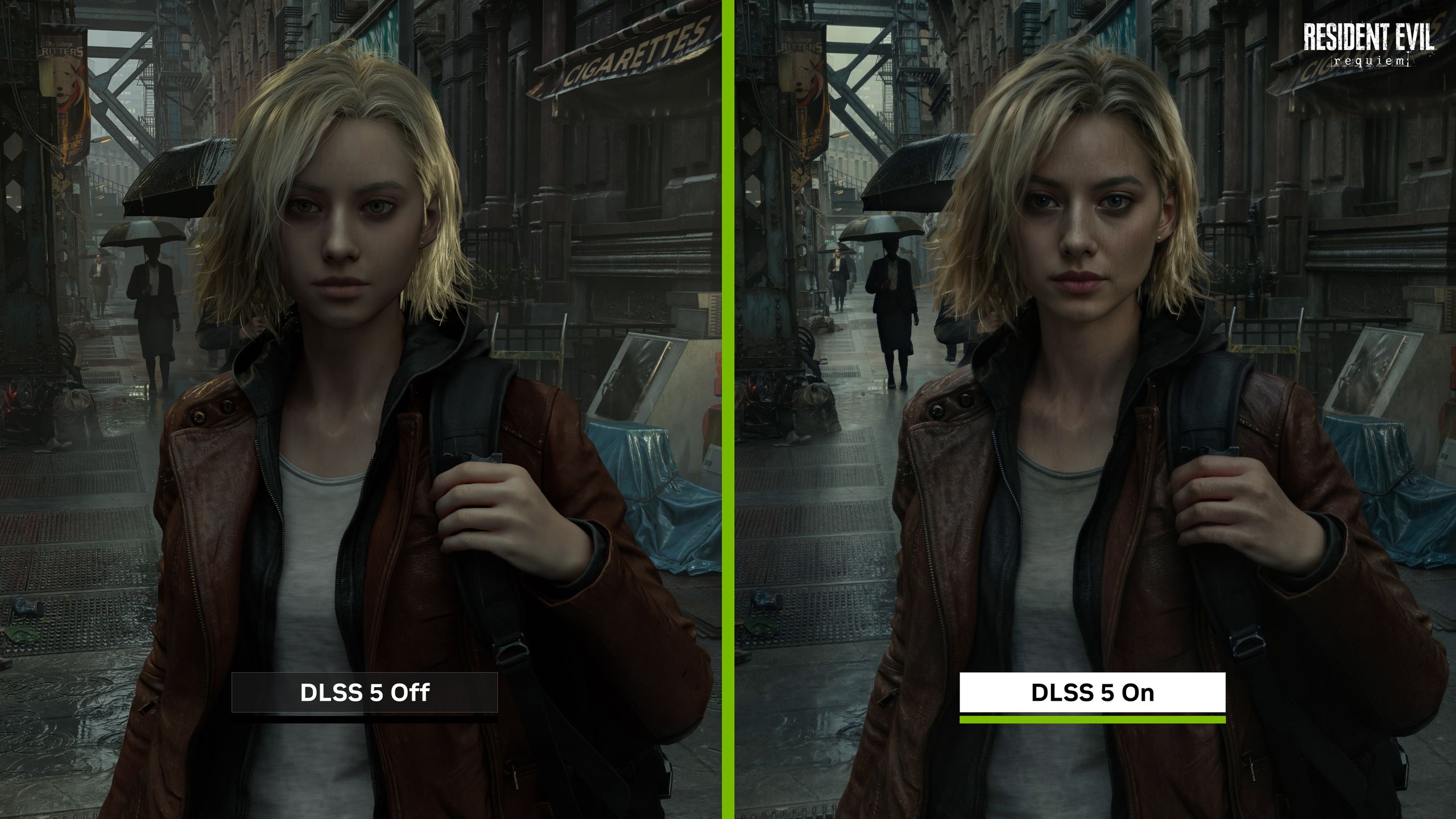
An Italian TV broadcaster filed mass copyright strikes for clips taken from Nvidia’s DLSS 5 trailer, triggering YouTube’s automated moderation to remove every video on the platform’s Italian site that included the footage — including Nvidia’s own announcement. Creators and Nvidia itself were affected after a mass DMCA complaint; gaming creator NikTek flagged the sequence. YouTube points to AI classifiers that surface potential violations for human review, but this incident highlights how automated systems at scale can cascade into wrongful takedowns when claims are issued en masse.
What happened
On 6 April 2026 a local Italian broadcaster’s copyright claims targeting footage from Nvidia’s DLSS 5 trailer led YouTube’s moderation systems to take down any video on YouTube Italy that reused the same clip, including Nvidia’s official DLSS 5 announcement. Gaming creator NikTek first flagged the situation; reporting and community threads identified that the broadcaster had used Nvidia’s trailer in its coverage and then issued mass strikes against other uses of the same footage.
Technical context
YouTube uses AI classifiers to detect potentially violative content at scale and routes results for human review. The platform’s stated workflow relies on automated detection to prioritize reviews, meaning a high-volume or broad-scope claim can cause many items to be flagged near-simultaneously. In this case a broad DMCA-style complaint from a broadcaster was sufficient to trigger removals in the Italian locale before or while human reviewers intervened.
Key details from sources
Tom’s Hardware documented the takedown and quoted YouTube saying AI classifiers help detect potentially violative content and that reviewers confirm whether content crossed policy lines. Community reporting and multiple outlets identify the broadcaster (reported as La7 in corroborating coverage) as the claimant; the broadcaster appears to have reused the trailer footage in its programming and then filed the claims. Multiple creator posts and gaming outlets highlighted the irony that Nvidia’s own channel was removed by the platform’s automated enforcement.
Why practitioners should care
This incident is a concrete example of how automated moderation and copyright-claim workflows can produce false positives or overbroad enforcement when claimants issue mass complaints. For ML engineers and ops teams, it underscores three operational risks:
- •classifier precision versus recall trade-offs under adversarial or high-volume claim conditions
- •locality and policy-scope handling (region-specific takedowns can cascade)
- •the need for rapid human-in-the-loop escalation paths and provenance checks for content originators (e.g., original-rights-holder whitelists)
What to watch
Platform responses: whether YouTube adjusts detection thresholds, adds provenance checks for uploads from original rights holders, or changes the review prioritization when a claimant has used the same clip publicly. For creators and platform integrators: monitor policy changes around automated strikes and implement defensive measures (publish alternate mirrors, metadata asserting ownership, or rapid counter-notice workflows).
Key Points
- 1Automated copyright workflows can cascade: a mass claim triggered AI classifiers to remove many videos, including the original rights-holder's upload.
- 2Platform ML design trade-offs matter: prioritization and precision of AI classifiers determine whether broad claims cause wrongful takedowns at scale.
- 3Operational controls are weak: provenance checks, whitelists for original publishers, and faster human escalation would reduce erroneous enforcement impacts.
Scoring Rationale
The event is a timely demonstration of automated moderation failure modes (novelty and relevance are moderate). It affects creators, platforms, and ML ops practices (scope and actionability moderate). Multiple outlets corroborate the incident, supporting credibility. Recent timing reduces the final score slightly.
Sources
Public references used for this report.
View 5 more sources
- Bizarre: TV channel uses NVIDIA clip, then files copyright claim on it ...news9live.com
- NVIDIA's DLSS 5 trailer has been taken down due to 'copyright ...tweaktown.com
- An Italian tv channel is copyright striking any channel that uses ...resetera.com
- Italian TV Channel La7 Copyright Strikes Nvidia's Own DLSS 5 ...ggmania.com
- Nvidia's DLSS 5 Video Removed After Italian TV Claims Ownershipagent-wars.com
Practice with real Streaming & Media data
90 SQL & Python problems · 15 industry datasets
250 free problems · No credit card
See all Streaming & Media problems