Intel unveils hybrid agentic AI SuperClaw
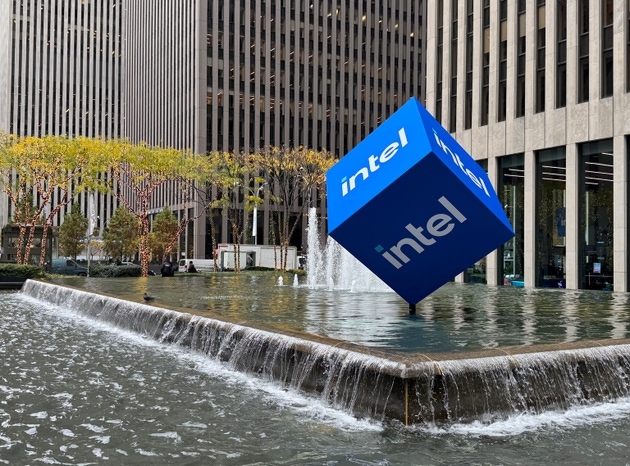
According to Seeking Alpha, Intel unveiled SuperClaw on Thursday, a hybrid agentic AI solution described for AI personal computers, agent computers, and edge devices. Seeking Alpha reports SuperClaw was developed by Intel's AI Super Builder team and is presented as giving enterprises a practical path to scale intelligent agents. Industry observers should track whether agentic-capable stacks like SuperClaw reduce latency and cloud dependency for real-time endpoint workloads and how they integrate with existing device management and security controls.
What happened
Seeking Alpha reports that Intel unveiled SuperClaw on Thursday, described as a "hybrid agentic AI solution" targeted at AI personal computers, agent computers, and edge devices. According to Seeking Alpha, SuperClaw was built by Intel's AI Super Builder team and is presented in the article as a product that "gives enterprises a practical path to scale intelligent agents." The coverage does not include direct quotes from Intel or technical specifications beyond that positioning.
Editorial analysis - technical context
Agentic AI describes systems that manage goals, actions, and tool use autonomously; industry deployments typically combine local inference, on-device orchestration, and optional cloud services. Companies announcing endpoint-focused agent stacks generally aim to reduce interaction latency and enable offline or privacy-sensitive workflows. Implementing agentic capabilities at the edge usually requires runtime orchestration, model quantization or acceleration, and secure update channels for models and tools.
Industry context
Public reporting frames this announcement within a broader trend of silicon and platform vendors offering integrated solutions for endpoint AI, including PCs and edge appliances. Observers have noted similar product moves from other vendors seeking to capture usage that benefits from low-latency, local compute rather than centralized cloud inference. This trend intersects with enterprise concerns about governance, lifecycle management, and the operational complexity of distributed agents.
What to watch
Indicators to monitor include any technical documentation or benchmarks Intel publishes for SuperClaw, third-party developer tooling or SDK availability, partner integrations for agent runtimes, and enterprise trials or pilot announcements. Also watch for details on how updates, permissions, and telemetry for autonomous agents are managed at scale.
Key Points
- 1Endpoint agentic AI reduces round-trip latency for real-time workflows, shifting some inference away from centralized cloud services.
- 2Silicon and platform vendors bundling agent runtimes can accelerate edge adoption but increase engineering needs for secure orchestration.
- 3Enterprises adopting local agents will need stronger governance, update mechanisms, and testing regimes for distributed autonomous behaviors.
Scoring Rationale
A product announcement from a major silicon vendor matters to practitioners evaluating edge and PC AI architectures, but the coverage lacks technical specs and third-party validation, limiting immediate operational impact.
Sources
Public references used for this report.
Practice interview problems based on real data
1,625 SQL & Python problems across 15 industry datasets — the exact type of data you work with.
Try 250 free problems