Intel develops frame-extrapolation 'fake frames' feature
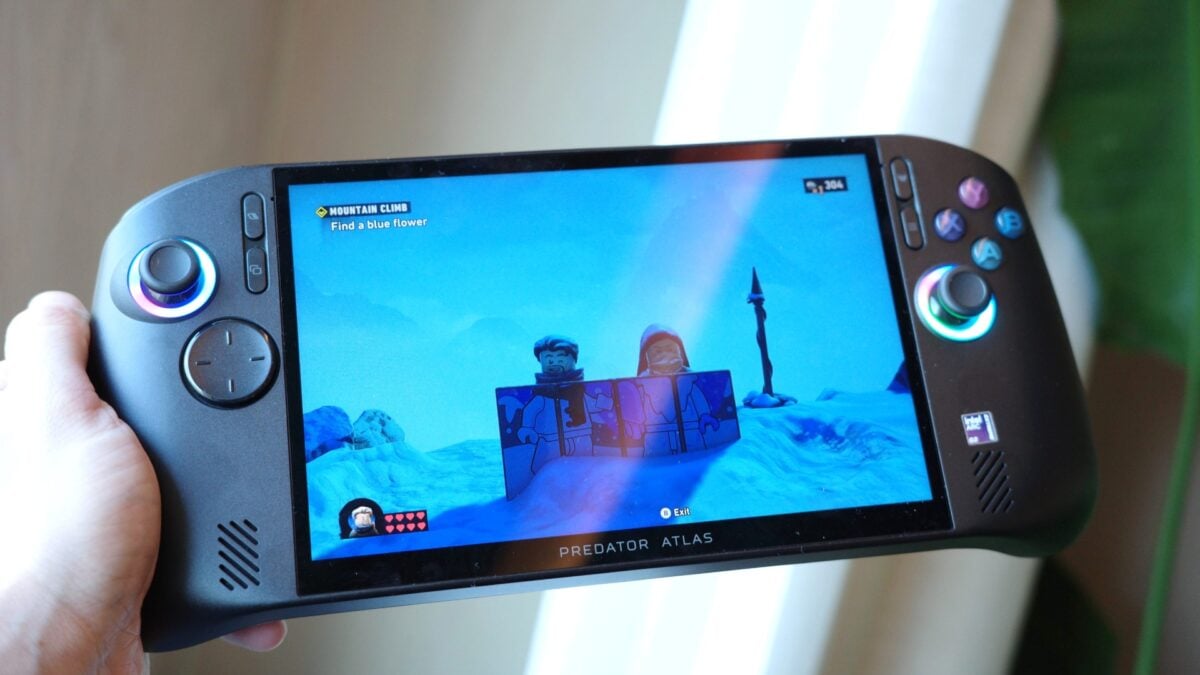
Gizmodo reports that Intel is developing a technique it calls frame extrapolation, informally fake frames, which generates predicted frames ahead of rendered ones to increase perceived smoothness in games. The reporting is based on a sit-down interview with Intel fellow Tom TAP Petersen, who said the work dates back to a 2023 tease and that the feature is almost ready for a full showcase but missed Computex 2026. Petersen described the approach as predicting player input and generating the next image before the GPU has rasterized it. Gizmodo notes the technique can raise perceived frame rate while imposing a rasterization performance cost. Unlike frame interpolation (used by DLSS 3 and FSR 3), extrapolation aims to avoid the added input latency, an approach Intel detailed in its 2024 GFFE research.
What happened
Gizmodo reports that Intel is developing a technology it calls frame extrapolation, informally described as fake frames, based on a sit-down interview with Intel fellow Tom TAP Petersen. Intel first teased extrapolation in 2023 and had been quiet since; Petersen told Gizmodo the work is ongoing and almost ready for a full showcase, but was not ready in time for Computex 2026. He gave a verbatim description: I've got one frame. I've rastered it. I'm showing it to a user. And while I'm not quite ready to raster a new one, I'm going to predict where he's going to move his mouse... (Gizmodo).
Technical details
Gizmodo describes frame extrapolation as software that inserts predicted frames ahead of actual rendered frames to raise perceived frame rate and smoothness, with the explicit tradeoff that the more frames generated, the greater the rasterization performance hit. Unlike interpolation (the basis of frame generation in DLSS 3 and FSR 3), which inserts AI frames between two already-rendered frames and can add latency, extrapolation predicts forward from prior frames to avoid that latency. Intel's own published research, GFFE: G-buffer Free Frame Extrapolation (SIGGRAPH Asia 2024), sets out a neural method to generate such frames without extra buffers or added latency, indicating a real technical basis behind the marketing.
Industry context
Editorial analysis
Predictive frame generation aims to mask GPU rasterization gaps with inference. The hard problems are mispredictions - if the predicted motion diverges from the player's actual input, artifacts become immediately visible - plus compute cost, power draw on handhelds, and synchronization between predicted and rendered frames. Petersen, a former Nvidia executive, framed Intel's positioning as smoothing the play experience rather than claiming raw performance gains.
What to watch
The Gizmodo interview did not include performance numbers or a public demo. Practitioners should look for disclosures quantifying end-to-end latency, prediction error rates, and compute overhead, and for whether inference runs on the integrated GPU, CPU, or a dedicated accelerator, before judging viability for handhelds and PC GPUs.
Key Points
- 1Intel is developing frame extrapolation, which predicts and inserts frames to raise perceived smoothness while trading off rasterization cost.
- 2Gizmodo reports the work was first teased in 2023 and is almost ready, but Intel showed no public demo at Computex 2026.
- 3Predictive frame generation shifts the latency-versus-smoothness tradeoff and forces engineers to weigh inference compute, power, and prediction accuracy.
Scoring Rationale
An interesting real-time rendering and on-device inference technique backed by published Intel research, but reported as an unreleased, 'almost ready' consumer gaming feature with no performance metrics or public demo. That caps near-term practitioner impact, placing it in the solid-but-niche range.
Sources
Public references used for this report.
Practice with real Ride-Hailing data
90 SQL & Python problems · 15 industry datasets
250 free problems · No credit card
See all Ride-Hailing problems