Indonesia Projects AI Adoption Will Raise GDP
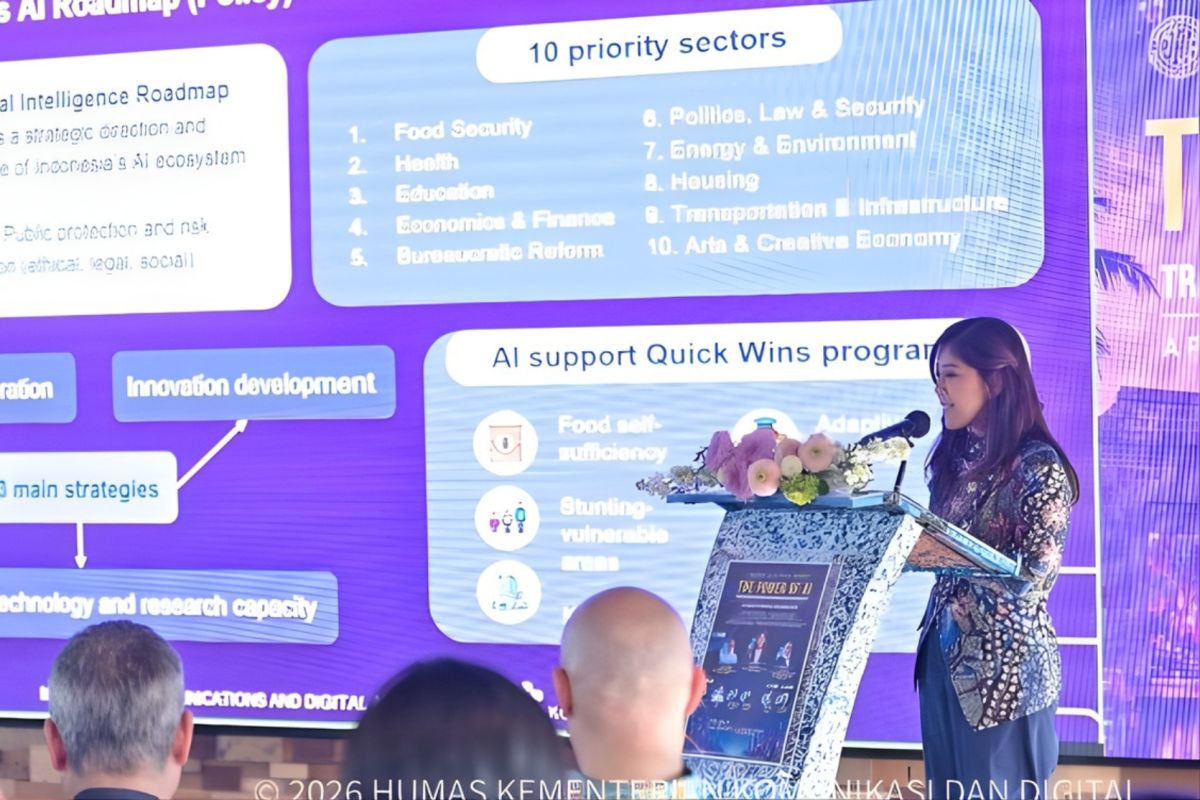
Indonesia projects that wider adoption of artificial intelligence can increase national GDP contribution by 3.67%, the Ministry of Communication and Digital Affairs says. Minister Meutya Hafid framed AI as a competitive necessity, noting Indonesia ranks 41st out of 198 countries and is in category A for public digital transformation per the World Bank. The government is prioritizing faster adoption in health, agriculture, and manufacturing, with finance and retail already more advanced. A presidential regulation formalizing a national AI roadmap and ethics framework has been finalized and is awaiting ratification. The ministry emphasizes urgent, adaptive AI governance and inclusive rollout to benefit MSMEs and broaden digital-economic gains across the country.
What happened
Indonesia, represented by Minister of Communication and Digital Affairs Meutya Hafid, projects that broader artificial intelligence adoption can lift national GDP contribution by 3.67%. The minister framed competitiveness as technological adaptability, saying "Competitiveness today is no longer determined by resources, but by the ability to adapt to technology, especially AI." The government has finalized a presidential regulation on a national AI roadmap and ethics, which is awaiting ratification.
Technical details
The ministry cites World Bank data that places Indonesia 41st out of 198 countries and in category A for public digital transformation, signaling existing capacity to develop digital services. Current sector adoption is uneven: the financial and retail sectors are relatively advanced, while health, agriculture, and manufacturing are targeted for acceleration. The policy package emphasizes both economic growth and public protection from AI risks, prioritizing a governance framework and ethical guardrails.
Context and significance
A 3.67% GDP uplift is a material macroeconomic impact if realized; it implies productivity and value-chain transformation, not just incremental automation. For practitioners, the announcement signals expanding demand for applied ML and systems work outside urban fintech and e-commerce hubs, especially in precision agriculture, clinical decision support, manufacturing automation, and MSME-facing digital tools. The finalized roadmap and ethics regulation indicate the government is moving from strategy to enforceable policy, which will shape procurement, compliance, and standards for data governance and model deployment.
What to watch
Track ratification and the roadmap's implementation details, particularly budgets, procurement rules, data governance measures, and incentives for public-private partnerships. Those details will determine the timeline for real projects, regulatory constraints for model builders, and where funding and talent will flow next.
Key Points
- 1Indonesia quantifies AI impact as a 3.67% GDP boost, signaling government commitment to drive productivity through digital transformation.
- 2A finalized presidential AI roadmap and ethics framework, pending ratification, shifts the country from strategy toward enforceable governance and standards.
- 3Acceleration focus on health, agriculture, and manufacturing opens practical demand for applied ML, datasets, and deployment pipelines beyond finance and retail.
Scoring Rationale
This is a notable national policy move with quantified economic targets and an imminent regulatory instrument. It matters to practitioners because it signals funding, demand, and compliance rules that will shape AI projects across strategic sectors.
Practice with real Ad Tech data
90 SQL & Python problems · 15 industry datasets
250 free problems · No credit card
See all Ad Tech problems