
Indonesia Offers Partnership to Shape Global AI Governance
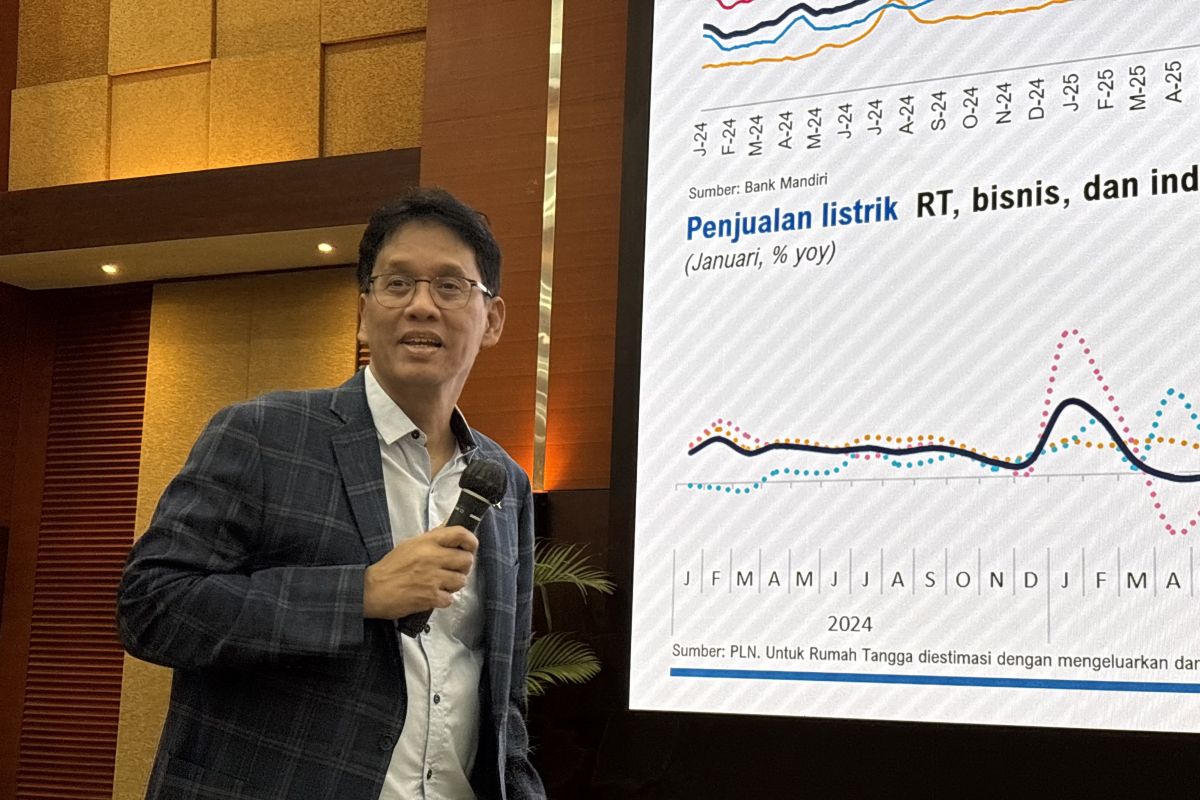
Indonesia is positioning itself as an active partner in shaping inclusive global AI governance, emphasizing the perspective of developing countries. Finance Minister Purbaya Yudhi Sadewa said the national AI ecosystem has become integral to the economy and highlighted expected ICT growth of 8.35 percent by 2025, supported by 12,000 km of fiber-optic networks and 150 Gbps of national satellite capacity. Jakarta proposes an AI-specific early warning mechanism to detect systemic financial risks and pledges vigilance against asset bubbles, labor market disruption, market concentration, AI-driven financial instability, and fiscal erosion. Indonesia also advanced bilateral talks with development partners including the OECD, seeking institutional capacity building for its LNSW agency.
What happened
Indonesia, through Finance Minister Purbaya Yudhi Sadewa, declared readiness to be an active partner in establishing inclusive global AI governance at the sidelines of the IMF-World Bank Spring Meetings after attending the IMFC Early Warning Exercise. The government frames AI as an economy-wide enabler, forecasting ICT sector growth of 8.35 percent by 2025, and cites national infrastructure of 12,000 km of fiber-optic networks and 150 Gbps satellite capacity as foundations for scale.
Technical details
Indonesia proposes an AI-specific early warning mechanism to anticipate systemic financial risks that could arise from AI adoption. Key national capabilities and priorities mentioned include strengthening the national AI ecosystem to capture domestic productivity gains, combining infrastructure expansion with institutional capacity building for agencies like LNSW, and maintaining openness to global collaboration while protecting against concentration and cross-border fiscal erosion. Specific systemic risks flagged were:
- •asset bubbles from concentrated AI investment
- •labor market disruptions from automation
- •increased market concentration by global platforms
- •financial stability risks from AI-driven decisioning
- •fiscal erosion from cross-border digital economic activity
Context and significance
This is a strategic policy move that elevates the voice of a large developing economy in a governance conversation currently dominated by high-income states and major tech platforms. By proposing an early warning mechanism, Indonesia is signalling interest in operational, technically grounded governance tools rather than purely normative statements. The government pairing infrastructure metrics with policy priorities suggests Jakarta wants both developer and consumer leverage in multilateral forums, aligning with broader trends toward regionally diversified governance inputs and operational monitoring of AI-driven systemic risk.
What to watch
Whether Indonesia translates the early warning proposal into a concrete data-sharing, metrics, and model-audit framework, and how multilateral institutions like the OECD and IMF respond. Practitioners should monitor emerging standards for cross-border AI risk indicators, data interoperability demands, and capacity-building programs for national agencies such as LNSW.
Key Points
- 1Indonesia offers a developer-and-user perspective to global AI governance, aiming to amplify developing-country priorities in multilateral forums.
- 2Jakarta links digital infrastructure growth-12,000 km fiber, 150 Gbps satellite-to scalable AI adoption and domestic value capture.
- 3Proposing an AI-specific early warning mechanism reframes governance toward operational risk monitoring, with implications for data sharing and audits.
Scoring Rationale
This is a notable policy development: a large developing economy seeking an operational role in global AI governance and proposing an early warning mechanism. It matters for practitioners monitoring multilateral standards and cross-border risk frameworks, but it is not a paradigm-shifting event.
Practice with real Banking data
90 SQL & Python problems · 15 industry datasets
250 free problems · No credit card
See all Banking problems

