Indigenous Groups Resist Data Centers on Tribal Lands
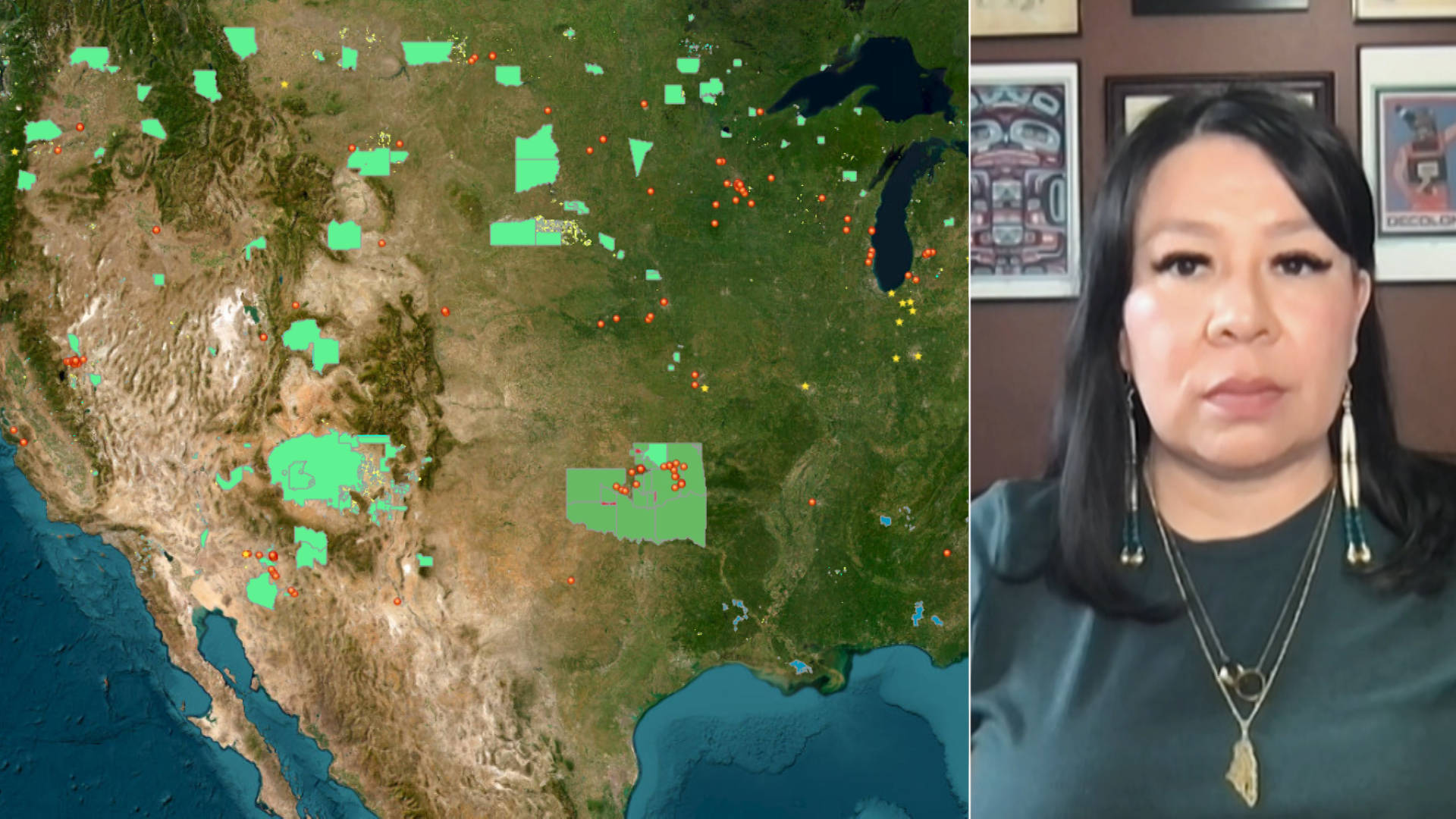
Indigenous organizers, led by Krystal Two Bulls and Honor the Earth, are mobilizing against a wave of proposed hyperscale data centers targeting Native lands. Trackers run by Honor the Earth show roughly 103 to 160 proposed projects near or on tribal and rural territories across the United States. Activists say promised jobs and revenue often fail to materialize while environmental, health, water, and sovereignty harms compound historical patterns of extraction. Some tribes are passing moratoria or outright bans, with the Seminole Nation enacting a moratorium and other communities mounting legal and public campaigns. The story reframes AI infrastructure expansion as a social license and supply chain risk that practitioners should factor into long-term capacity, sustainability, and community engagement strategies.
What happened
Indigenous organizers, led by Krystal Two Bulls of Honor the Earth, are publicly opposing a concentrated push to site hyperscale data centers on and near tribal lands. Honor the Earth tracks roughly 103 to 160 proposed projects across reservations and rural Indigenous territories. On several fronts tribal governments are adopting moratoria or bans, with the Seminole Nation enacting a formal moratorium this spring.
Technical details
These projects are standard hyperscale deployments sized to support modern generative AI workloads, which means very large electricity and water draws, high continuous power density, and significant heat rejection infrastructure. For practitioners, that translates into supply-side constraints: grid upgrades, local water sourcing and permitting, and distributed resiliency planning. Activists highlight real impacts including sustained noise from cooling equipment, continuous water withdrawals for evaporative cooling, transmission upgrades that increase permanent footprints, and cumulative emissions from local energy generation.
Local impacts organizers cite
- •Loss or rezoning of agricultural, hunting, and cultural lands that tribal communities use for food sovereignty and medicine
- •Increased stress on water resources and municipal grids, risking brownouts and ecological damage
- •Health and social impacts tied to industrialization, including complaints about noise and air quality
Legal and political moves
Tribes are exercising sovereignty through zoning and moratoria. Tactics include coalition mapping, public disclosure campaigns, refusal of non-disclosure agreements, and direct negotiation demands for meaningful community benefits, not token hiring promises. These governance maneuvers create potential stopping points for siting timelines and add permitting complexity that developers and cloud providers must navigate.
Context and significance
This is not an isolated environmental story; it reframes hyperscale infrastructure as a geopolitical and social-licensing issue within the AI stack. For operators and platform teams, the trend raises practical risks: project delays, higher local compliance costs, reputational risk, and potential limits on greenfield capacity in regions previously assumed to be low-friction. The organizing narrative explicitly calls the phenomenon "data colonialism," tying modern infrastructure siting to historical patterns of extraction. That framing is accelerating policy responses and community-level pushback, increasing downstream friction for procurement and site selection.
What practitioners should know
- •Community opposition can impose delays and force relocation or redesign of projects
- •Environmental impact assessments will attract heightened scrutiny, and voluntary community agreements are no longer sufficient in many cases
- •Providers should treat tribal sovereignty as a first-order constraint in U.S. site selection algorithms and risk models
What to watch
Expect more tribes to adopt moratoria or stricter land-use rules, and watch for municipally driven ordinances that mirror tribal actions. For engineering and capacity planners, bake in higher gating costs for new regions, and validate water and grid assumptions early. As Krystal Two Bulls puts it, "We're always the one that ends up having to sacrifice our relationship to land, air, water, our communities and our nonhuman relatives," a framing that will shape negotiations and public perceptions going forward.
Key Points
- 1Honor the Earth tracks roughly 103 to 160 proposed hyperscale data center projects on or near Indigenous lands, creating concentrated siting pressure.
- 2Local harms cited include water depletion, grid strain, noise, and loss of cultural lands, which raise regulatory and reputational risk for developers.
- 3Tribal moratoria and bans, like the Seminole Nation's, create real permitting delays and should be modeled into capacity planning and site-risk assessments.
Scoring Rationale
This story is notable for infrastructure planners and ML practitioners because concentrated opposition to data center siting introduces tangible supply, regulatory, and reputational risks. The score reflects real operational impact rather than a model or research breakthrough.
Sources
Public references used for this report.
Practice interview problems based on real data
1,625 SQL & Python problems across 15 industry datasets — the exact type of data you work with.
Try 250 free problems