
Hideo Kojima says AI won't create art
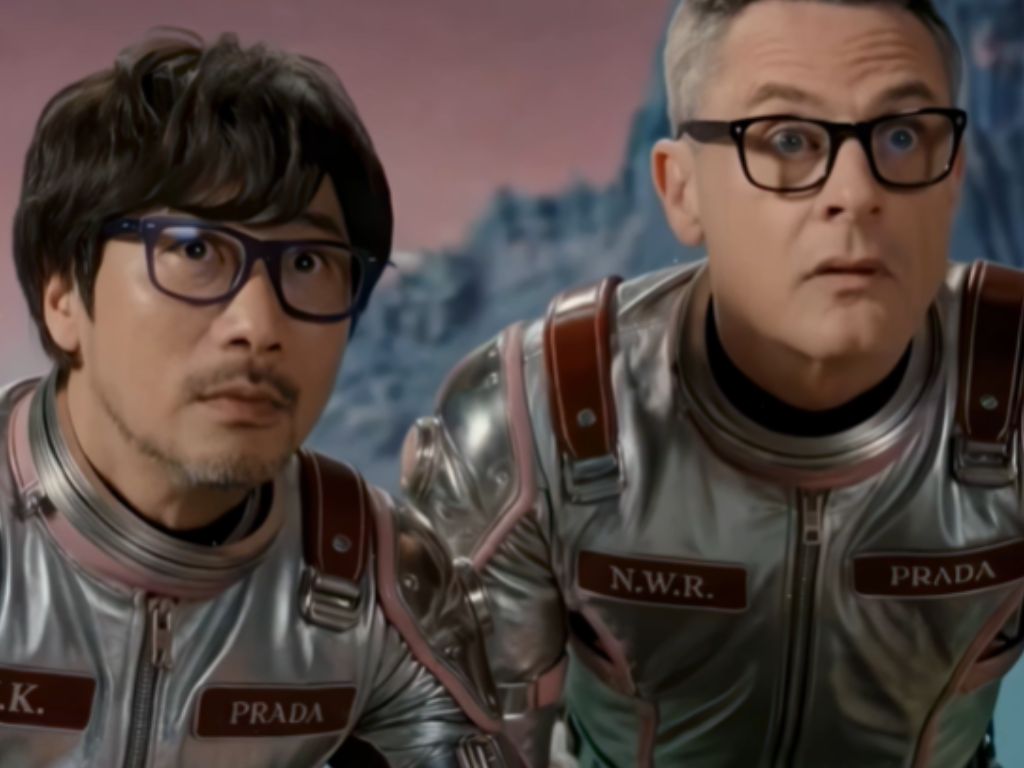
Game director Hideo Kojima told The Washington Post he is "not interested" in generative AI for making art and does not expect AI to produce "real art" in his lifetime, saying "while I live, I don't think I'll see it." The comments, made around a Prada event at New York's Chelsea Hotel, follow backlash to a Prada promotional short that used an AI-generated likeness of Kojima and director Nicolas Winding Refn, which fans on social media labeled "AI slop." Kojima added that AI works best as "a janitor for creative chores," distinguishing repetitive production work from the creative decisions he believes should stay human-driven. He has previously said AI is better suited to game-control systems and NPC behavior than to visual art.
Kojima's public rejection of generative AI for creative work adds a prominent voice to the industry's still-unsettled split between AI as a production tool and AI as a creative author, a distinction increasingly shaping how studios and brands handle AI-generated marketing after visible creator and fan backlash.
What happened
Hideo Kojima told The Washington Post he is "not interested" in generative AI for making art and does not expect AI to produce "real art" in his lifetime, saying "Art is life... while I live, I don't think I'll see it." The remarks came around a Prada event at New York's Chelsea Hotel, weeks after a Prada promotional short used an AI-generated likeness of Kojima alongside director Nicolas Winding Refn, a video that fans widely labeled "AI slop" on social media (IGN, Kotaku, PC Gamer). Kojima added that AI works best as "a janitor for creative chores."
Technical context
Kojima has previously said he is more interested in applying AI to game-control systems and NPC behavior, such as dynamically adjusting enemy responses to player actions, than to visual content generation (Wccftech, IGN). That distinction reflects a broader industry pattern: generative visual models optimize for perceptual fidelity, while game-AI systems optimize for temporal consistency and player-model alignment, different toolchains and evaluation criteria entirely.
For practitioners
High-profile creator pushback like this shapes developer and consumer expectations about where generative AI is acceptable in entertainment. It follows a now-familiar pattern: an AI-driven marketing asset draws backlash, and the featured creator publicly distances themselves from it, adding pressure on studios and brands to disclose AI use in promotional content.
What to watch
- •Whether studios and publishers adopt clearer disclosure practices for AI-generated marketing after the Prada backlash.
- •Further comments from Kojima or other prominent directors on AI use in upcoming game or film announcements.
- •Legal and platform developments on likeness rights affecting AI-generated recreations of public figures in advertising.
Key Points
- 1Hideo Kojima publicly rejected generative AI for artistic work weeks after starring in an AI-generated Prada video that drew fan backlash.
- 2The comments sharpen an industry split between AI as a production tool for repetitive tasks and AI as a creative author of original work.
- 3Studios and brands face growing pressure to disclose AI use in marketing after visible creator and fan backlash to synthetic likenesses.
Scoring Rationale
A marquee game director publicly rejecting generative AI for creative work, corroborated across five independent outlets including a fetched primary write-up, shapes industry and consumer expectations about disclosure of AI use in marketing. Notable culture/industry-perception story but not a technical or market milestone, so it sits mid-tier.
Sources
Public references used for this report.
Practice interview problems based on real data
1,625 SQL & Python problems across 15 industry datasets — the exact type of data you work with.
Try 250 free problems