Gunsmithing Attracts Interest as AI Safe Haven
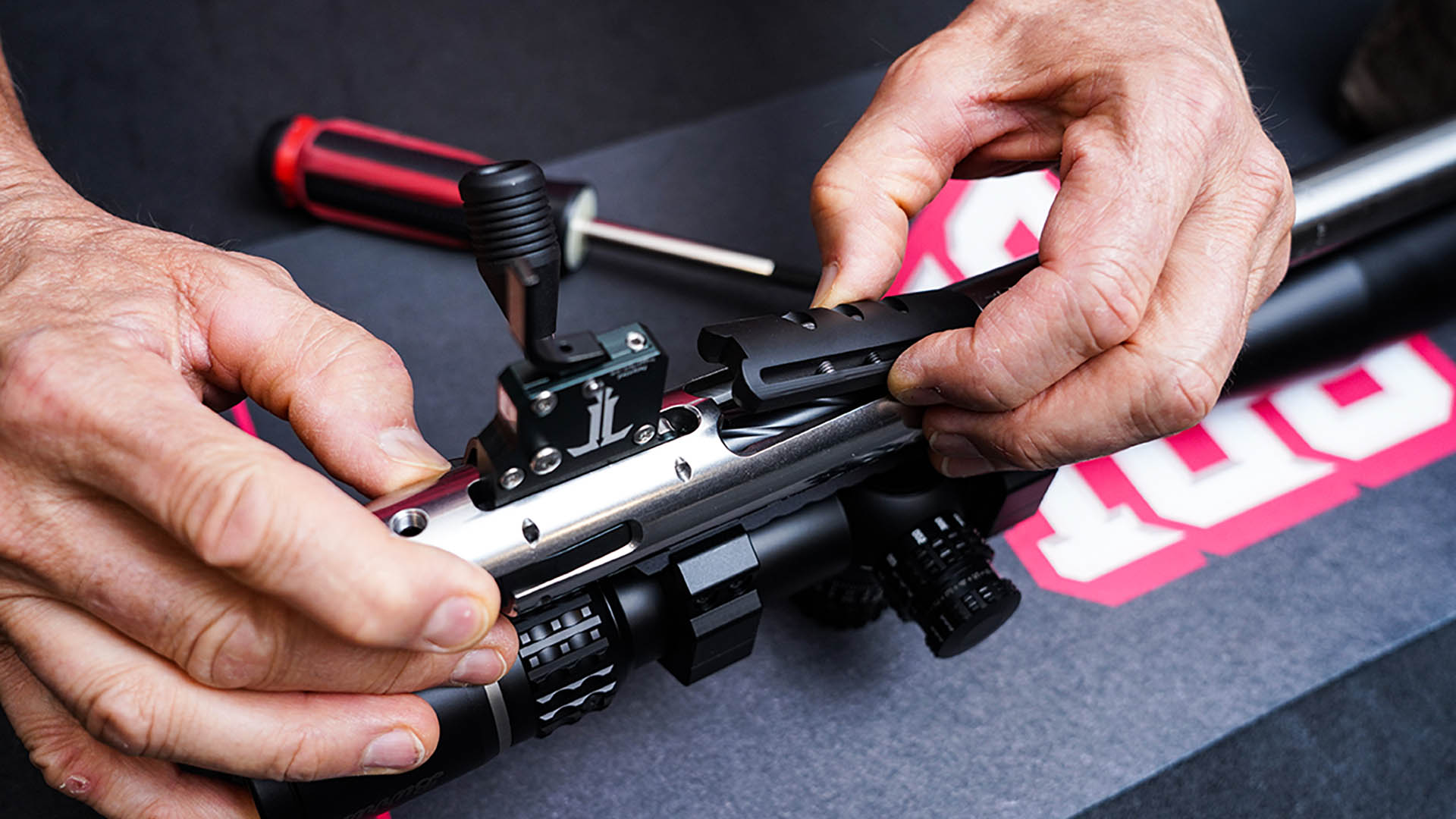
American Rifleman reports rising interest in gunsmithing as some instructors and trainers frame the trade as relatively insulated from current AI automation. The article quotes Jarred McNeely, vice president of academics at SDI, who told American Rifleman that the diagnostic, tacit nature of gunsmithing leaves less documented knowledge for AI training. Gene Kelly, president of the American Gunsmithing Institute (AGI), is quoted: "If it can be taken care of digitally, it is at risk," and he says "There's more interest in gunsmithing than I think there ever has been." McNeely also told the outlet that enrollments have remained steady and that many students are working adults retraining or adding income streams.
What happened
American Rifleman published a feature reporting increased interest in gunsmithing amid wider AI-driven job anxiety. The article quotes Jarred McNeely, vice president of academics at SDI, and Gene Kelly, president of the American Gunsmithing Institute (AGI). McNeely is reported as arguing that the diagnostic, hands-on nature of gunsmithing leaves relatively little documented material for AI training. Kelly is quoted: "If it can be taken care of digitally, it is at risk," and he told American Rifleman, "There's more interest in gunsmithing than I think there ever has been." The piece also reports that McNeely said enrollments have remained steady and that many students are working adults.
Editorial analysis - technical context
Trades like gunsmithing rely heavily on tacit knowledge, physical diagnostics, and custom mechanical solutions that are underrepresented in large digitized corpora. Industry-pattern observations: machine learning models perform best where large, labeled datasets and repeatable procedures exist; fields dominated by bespoke mechanical troubleshooting and sparse written case records pose harder automation targets for current AI capabilities.
Industry context
For practitioners and educators, the story fits a broader pattern where fears of automation drive interest in vocational skills that combine manual dexterity and diagnostic judgement. Industry observers note vocational programs often attract career changers and adults seeking resilient income sources when markets appear uncertain. From a tooling perspective, the near-term opportunity for ML is likely augmentation (diagnostic assistance, parts identification, inventory management) rather than full task replacement in highly bespoke mechanical trades.
What to watch
Indicators to monitor include enrollment trends at vocational schools, published curricula adding digital diagnostics or AI-assisted tooling, the emergence of domain-specific training datasets for mechanical repairs, and advances in robotics that demonstrably close the dexterity and reasoning gap. Reporting to date does not include independent data on enrollment growth beyond the quoted remarks, and American Rifleman is the source of the coverage.
Key Points
- 1Practitioner claims: trainers report more interest in gunsmithing as AI anxieties rise, with steady enrollments and younger applicants.
- 2Why it matters: trades relying on tacit diagnostic skill have less digitized data, making end-to-end automation harder for current ML systems.
- 3So what: expect AI to augment shop workflows (parts ID, diagnostics support) rather than fully replace bespoke mechanical trades in the near term.
Scoring Rationale
The piece is relevant to workforce and vocational education discussions for practitioners, but it reports anecdotal claims from trainers rather than new data or technical breakthroughs. The story is moderately important for those tracking AI impact on jobs and vocational curricula.
Practice with real Ad Tech data
90 SQL & Python problems · 15 industry datasets
250 free problems · No credit card
See all Ad Tech problems