Grocers Invest in Back-End AI to Improve Operations
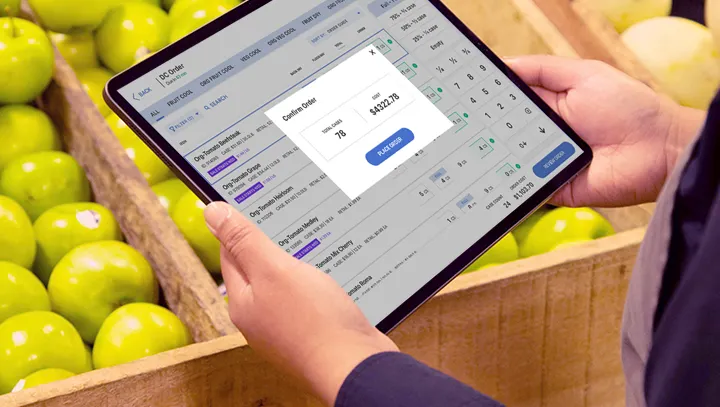
Retail Dive reports that grocers are putting AI into back-end operations such as inventory, quality inspection, waste reduction, and warehouse decisions, while Albertsons is pairing those systems with consumer-facing shopping assistants. The practitioner point is that grocery AI is moving from demos to operational plumbing: tools that inspect produce pallets, forecast demand, reduce shrink, and connect to replenishment systems can show ROI faster than generic personalization. Retail Dive and related Albertsons coverage show both sides of the adoption path, from AI shopping interfaces to warehouse quality workflows. Teams building for retailers should prioritize data freshness, ERP/WMS integration, monitoring, and clear human override paths.
The durable value in grocery AI is likely to come from operational systems that reduce shrink, waste, and labor friction. The LDS takeaway is that back-end retail AI is an integration problem first and a model problem second.
What happened
Retail Dive reported that grocers are investing in back-end AI to improve operations, citing use cases such as inventory, food-waste management, supply-chain workflows, and quality inspection. The coverage describes Albertsons as a retailer experimenting on both sides of the business: an AI shopping assistant for customers and warehouse-facing AI support for produce-quality decisions.
Technical context
Retail operations generate high-frequency, messy data across POS systems, warehouse management, supplier feeds, planograms, cold-chain processes, and store execution. AI systems can help only when those feeds are timely and reconciled. A model that predicts demand or detects bad produce still has to connect to ordering, labor scheduling, exception review, and audit trails.
For practitioners
Successful implementations should start with narrow KPIs such as shrink, out-of-stocks, spoilage, substitutions, and inspection throughput. Teams should also design human override workflows, because fresh-food decisions often involve local context and quality judgments that are hard to automate fully.
What to watch
Watch vendor partnerships, integration depth with WMS and ERP systems, and whether grocers publish measurable improvements rather than broad AI-positioning claims. Agentic operations will be credible only when systems can act across inventory, procurement, and fulfillment with reliable controls.
Key Points
- 1Grocers are applying AI to inventory, waste reduction, produce quality, and replenishment workflows with measurable operational KPIs.
- 2Albertsons illustrates the dual path: shopper-facing assistants plus back-end tools for warehouse and quality-control decisions.
- 3Retail ML teams need reliable integrations with WMS, ERP, telemetry, and human review more than standalone model demos.
Scoring Rationale
Back-end grocery AI is solidly practitioner-relevant because it connects models to measurable operations such as shrink, inventory, and warehouse quality. The score is reduced from 6.7 because the story is a retail adoption trend, not a major platform or research milestone.
Sources
Public references used for this report.
Practice with real Ad Tech data
90 SQL & Python problems · 15 industry datasets
250 free problems · No credit card
See all Ad Tech problems