Googlebook Supports Intel, Qualcomm, and MediaTek Chips
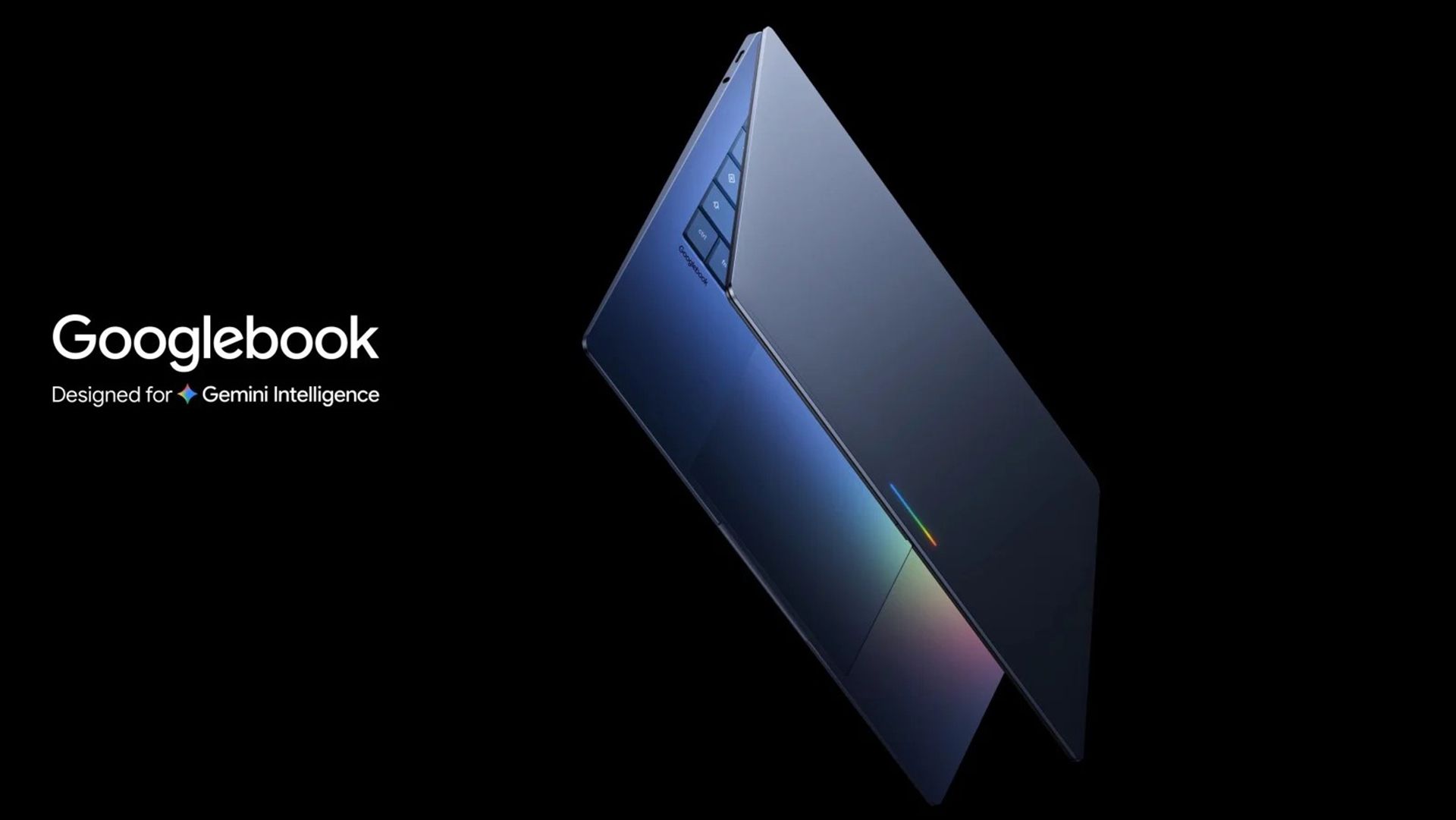
Videocardz reports that Intel has confirmed a partnership with Google on the new Googlebook laptop category and that x86 hardware will be part of the platform. Android Authority reports Google VP John Maletis said Googlebook devices will support processors from Intel, Qualcomm, and MediaTek and that "core" Chrome OS capabilities and native Android app support are coming to the platform. Multiple outlets, including Videocardz and finance.biggo, place an initial launch window in Fall 2026. Reporting also names Gemini as the AI intelligence around which Googlebook is designed, per published coverage.
What happened
Videocardz reports that Intel confirmed it is working with Google on the new Googlebook laptop category and that x86 hardware will be part of the platform, citing an Intel public post that describes preparations for "premium, powerful devices designed for Intelligence." Android Authority reports Google VP John Maletis said Googlebook systems will support processors from Intel, Qualcomm, and MediaTek, and that the devices will include "core" Chrome OS features and native Android app support, with Maletis quoted saying, "We now have an ability to run truly native Android applications, not emulated." Multiple outlets, including Videocardz and finance.biggo, place a launch window in Fall 2026.
Technical details
Reporting frames Googlebook as a new laptop category built around on-device AI capabilities and Google's Gemini intelligence. Videocardz highlights Intel's potential use of the Wildcat Lake Core Series 3 family for mainstream mobile Googlebook designs, describing it as a lower-power, up to 6-core mobile part with integrated Xe3 graphics. Android Authority notes Googlebook is built on the Android technology stack and is expected to run Android apps natively while incorporating selected Chrome OS features.
Industry context
Editorial analysis - industry observers
Cross-architecture support (x86 plus Arm) mirrors how Chrome OS historically covered both Intel/AMD and Arm vendors, enabling OEMs to ship a wider variety of power and performance tradeoffs. A multi-vendor chipset approach also aligns with market strategies that target both battery-efficient Arm designs and higher single-thread/x86 performance for mainstream laptop segments.
Implications for practitioners
Editorial analysis - for hardware and systems engineers
Support for both x86 and Arm implies additional testing surface for performance, thermal, and AI inference workflows across architectures. For software engineers building on-device models or system-level AI features, expect attention from OEMs and Google around cross-architecture binary compatibility, driver stacks, and performance characterization for Gemini-driven features.
What to watch
Editorial analysis - indicators and open questions
observers should look for official Google documentation on Googlebook hardware requirements and the OS image, explicit details on whether Gemini inference runs on integrated GPUs, NPU blocks, or via CPU fallback, and any SDKs or developer guidance for optimizing apps across x86 and Arm Googlebook builds. Confirmed OEM models and the final SoC lists from Intel, Qualcomm, and MediaTek will clarify the expected performance tiers and power envelopes.
Caveats
What is reported across sources is based on media coverage and vendor posts. Google has not published a complete technical spec sheet in the reporting sources cited here, and Intel's involvement is described via coverage of an Intel post rather than a standalone Google technical disclosure.
Key Points
- 1Intel's confirmed involvement signals Googlebook will include x86 designs, widening hardware choices for on-device AI and developer workflows.
- 2Multi-vendor chip support from Intel, Qualcomm, and MediaTek preserves the Arm-versus-x86 tradeoffs between battery life and single-thread performance.
- 3For practitioners, cross-architecture support increases testing and optimization work for Gemini features across CPUs, integrated GPUs, and NPUs.
Scoring Rationale
This is a notable product-hardware announcement because Googlebook ties on-device AI (Gemini) to a new OS/device category and confirms support for both x86 and Arm chip vendors, which matters for engineers optimizing models and system stacks across architectures.
Sources
Public references used for this report.
Practice interview problems based on real data
1,625 SQL & Python problems across 15 industry datasets — the exact type of data you work with.
Try 250 free problems