Apple Settles Siri Lawsuit, Agrees $250M Payout
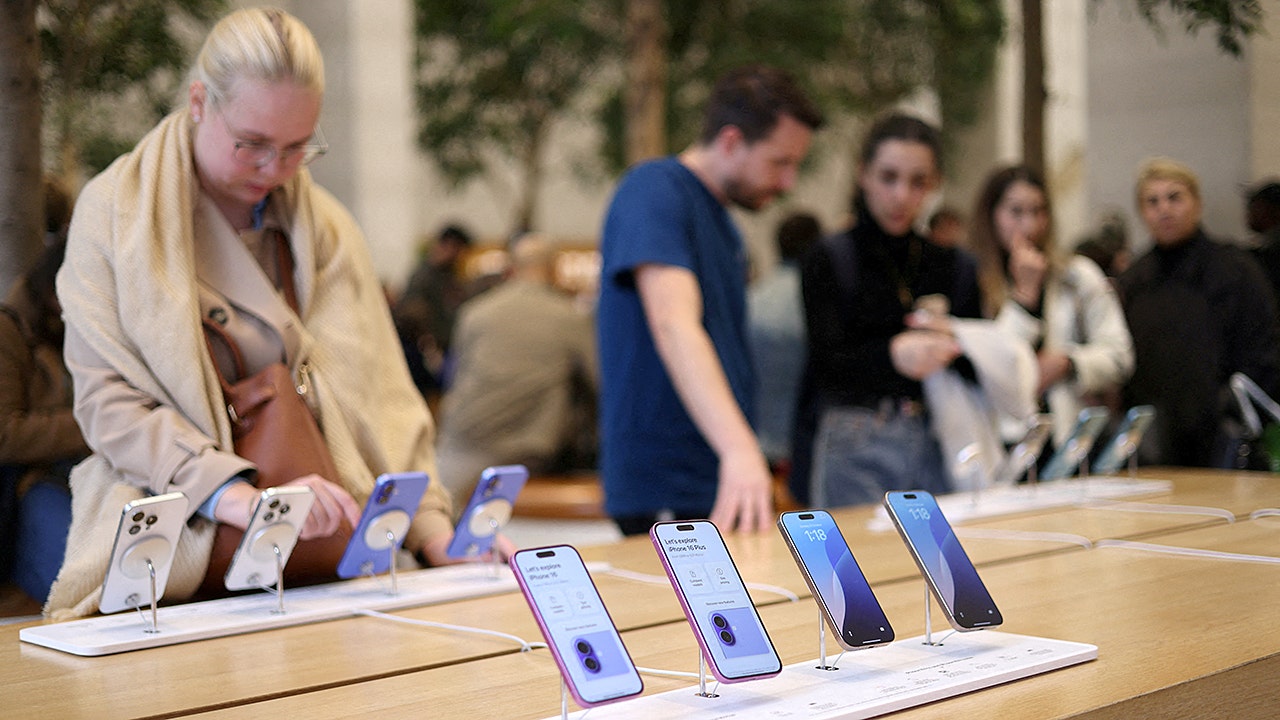
Apple agreed to pay $250 million to settle consolidated class-action lawsuits alleging it misled customers about the availability and capabilities of Apple Intelligence and Siri features, according to court filings and reporting by The New York Times and The Verge. Consumers who purchased an iPhone 16 or certain iPhone 15 Pro models between June 2024 and March 2025 may be eligible for payments estimated at $25 to $95 per device, depending on claims volume, per The New York Times and The Verge. The proposed settlement still requires court approval, and Apple denied wrongdoing in filings; an Apple spokesperson told The Verge the company "resolved this matter to stay focused on doing what we do best, delivering the most innovative products and services to our users." Industry context: Class actions over oversold AI product features are increasingly common as marketing outpaces shipped capabilities.
What happened
Apple agreed to pay $250 million to settle consolidated class-action lawsuits that alleged the company misled consumers about the availability and capabilities of Apple Intelligence and a revamped Siri, according to court filings and reporting by The New York Times and The Verge. Per the filings and press coverage, consumers who purchased any iPhone 16 or eligible iPhone 15 Pro models between June 2024 and March 2025 may file claims for recovery, with individual payouts estimated at $25 per device and subject to adjustment up to $95 depending on claim volume, as reported by The New York Times and The Verge. The proposed settlement requires approval from the U.S. District Court for the Northern District of California, according to The New York Times and AP News. The New York Times and AP News also report that Apple denied wrongdoing in the filings, and The Verge published a statement from Apple spokesperson Marni Goldberg saying the company "resolved this matter to stay focused on doing what we do best, delivering the most innovative products and services to our users."
Technical details
Reporting notes that Apple Intelligence was first previewed in June 2024, and the class actions center on promotional materials and statements that plaintiffs say created a "clear and reasonable consumer expectation" that an advanced, more personal Siri would be available with the iPhone 16 launch or shortly thereafter, per The Verge and Fox News. Coverage describes buyers receiving devices with some Apple Intelligence tools but not the full Siri overhaul plaintiffs alleged they were promised, a central factual dispute summarized in multiple news reports. The settlement documents and press reporting specify eligible device models and a claims window, which will determine per-device payouts once claims processing begins, as described by The Verge and The New York Times.
Editorial analysis - technical context
Industry observers have documented repeated friction between AI marketing and delivered product capabilities, particularly when large consumer launches promise real-time, context-aware assistants. Companies launching feature-driven AI updates commonly face timing and expectation-management challenges, including fragmented rollouts across hardware and software that can leave early buyers with a different experience than later adopters. For practitioners, that pattern raises practical concerns around documentation, staged feature gating, telemetry for feature-availability, and how product teams communicate capability timelines to avoid legal exposure.
Context and significance
This settlement illustrates a broader regulatory and litigation environment where consumer-facing AI claims draw scrutiny, especially when advertisements imply immediate availability of advanced capabilities. For data scientists and ML engineers on consumer products, the case highlights the reputational and financial risks that can follow promotional language outpacing actual shipped features. It also underscores the importance of clear release notes, feature flags, and observable metrics that tie claimed functionality to user-visible behavior.
What to watch
Observers should monitor the court for final approval of the settlement and the official opening of the claims process, which reporting indicates had not opened as of May 12, per AppleInsider. Watch for the final per-device payout after claims volume is calculated, the settlement administrator's instructions, and any follow-on litigation or regulatory inquiries reported by major outlets. Industry watchers will also track whether similar consumer suits arise against other vendors that promoted AI capabilities during product launches.
Key Points
- 1Apple agreed to a $250 million settlement over claims it oversold Apple Intelligence and Siri features, per The New York Times and The Verge.
- 2Eligible buyers of iPhone 16 and some iPhone 15 Pro models may receive $25 to $95 per device, depending on claims, per court filings reported by The New York Times.
- 3Industry context: Legal pushback against oversold AI features signals higher risk for product teams that market unreleased or partially rolled-out capabilities.
Scoring Rationale
The settlement is notable for practitioners because it ties consumer legal risk directly to AI feature marketing, but it does not change technical frontiers or published model capabilities. It is a cautionary, industry-relevant business outcome rather than a technical milestone.
Sources
Public references used for this report.
View 13 more sources
- Apple reaches $250mn settlement over delayed ‘AI Siri’ft.com
- iPhone owners could get up to $95 from Apple settlement. Here's what to know.cbsnews.com
- Apple Will Pay $250 Million to Settle Lawsuit Over Siri’s AI Featureswired.com
- Apple promised a smarter Siri, but a lawsuit says it didn't deliver ...fortune.com
- How to check whether your iPhone qualifies for Apple Intelligence settlement moneyappleinsider.com
- iPhone Users Could Get Up to $95 In Apple Settlement: See If You’re Eligibletoday.com
- Eligible iPhone owners owed $250m after Apple settles Siri lawsuit — here’s what to knowindependent.co.uk
- Got an iPhone 16 or 15 Pro? Apple May Owe You Up to $95 in AI Siri Settlementpcmag.com
- Some iPhone Owners Could Get an Apple AI Settlement Payout. Do ...kiplinger.com
- iPhone owners may get $95 for features Apple never deliveredthestreet.com
- Apple AI lawsuit settlement: Which iPhones are included? - Mashablemashable.com
- $250M iPhone Settlement Proposed in Apple Lawsuit Over AI ...classaction.org
- Apple agrees to $250M settlement over claims it overhyped iPhone ...topclassactions.com
Practice interview problems based on real data
1,625 SQL & Python problems across 15 industry datasets — the exact type of data you work with.
Try 250 free problems