Google Tightens AI Pro Plan Usage Limits
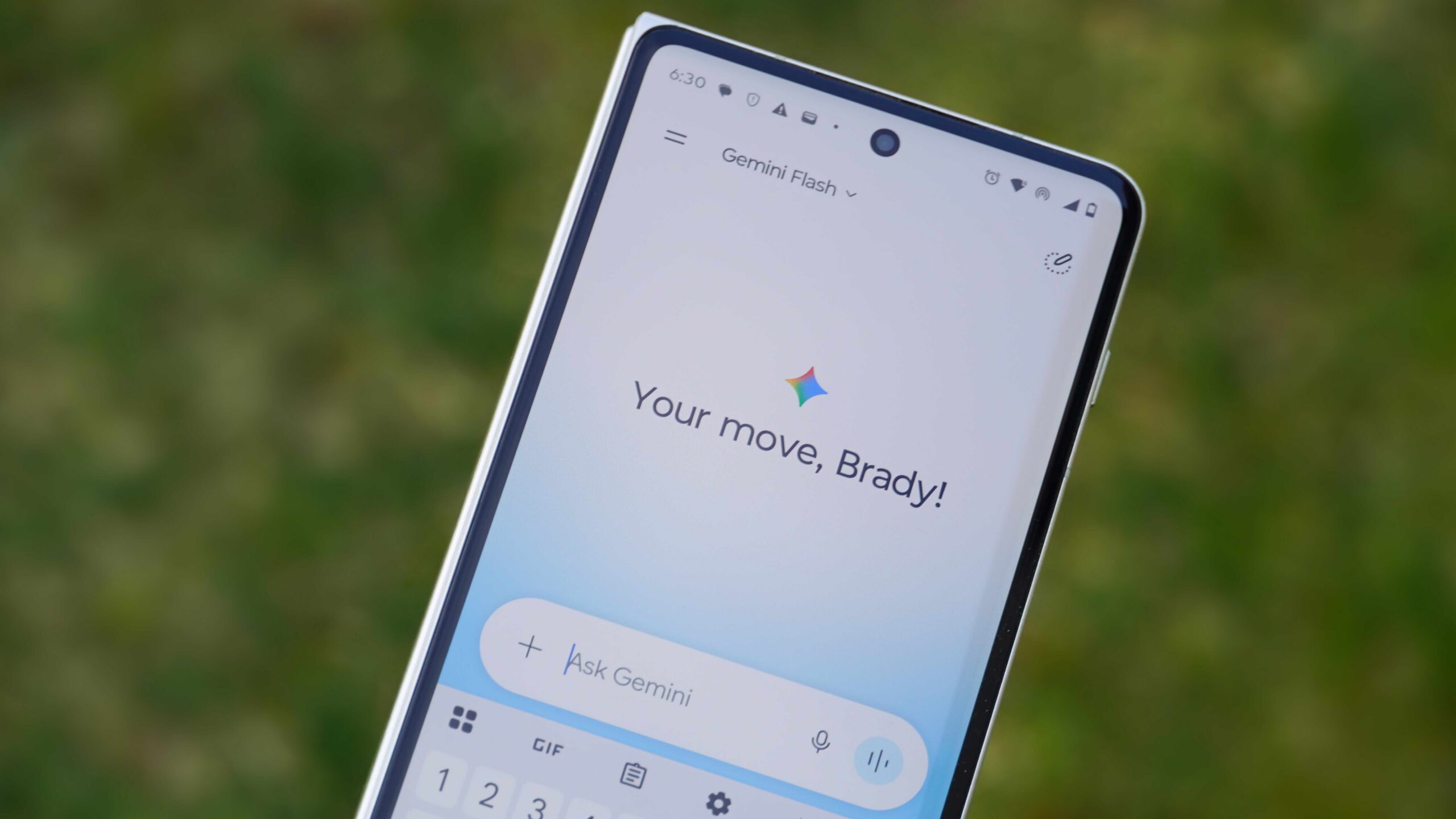
Android Authority reports that following its I/O 2026 announcements, Google revised usage limits for the AI Pro subscription, moving to a compute-based credit system and five-hour usage windows, per an email seen by the outlet. The outlet reports the change accompanies a separate price cut and reconfiguration of the AI Ultra tiers, including a new $100 per month Ultra plan and a reduced $50 cut on the upper tier. Android Authority reports the notification says AI Pro credits are four times those of the free tier, and that users can view consumption in the Usage limit option in Gemini settings. Android Authority also reports a user on X called the new limits "totally scam" after a single prompt consumed a large share of quota. Subscription AI providers increasingly shift to compute-tied metering, creating less predictable per-request costs for teams.
What happened
Android Authority reports that following Google I/O 2026 announcements, Google has tightened usage rules for the AI Pro subscription. The outlet says its Managing Editor, Adamya Sharma, received an email describing a new credit system that measures token usage based on the "complexity of your prompt, features you use, and the length of the chat." Android Authority reports the change applies to other AI products, including Antigravity and Flow. The outlet reports the new system uses five-hour windows for rate limits that refresh until a weekly cap is reached. Android Authority reports the company is discontinuing 1,000 free AI credits for Flow, and that AI Pro credits are described in the notification as four times those of the free tier. The outlet also reports users can monitor consumption via the Usage limit option in Gemini settings. Android Authority reports one user on X described the change as "totally scam" after a single prompt consumed about 13% of their quota.
Technical details
Editorial analysis - technical context
Cloud and API providers increasingly meter calls by compute, token, or FLOPs rather than simple request counts. That pattern shifts billing variance onto prompt complexity and model features, which raises the importance of token accounting, prompt optimization, and client-side rate shaping for engineering teams. For practitioners, tighter windows such as five-hour buckets can increase the operational need for distributed quota tracking and backoff logic in multi-user integrations.
Context and significance
Public reporting frames this change as part of a broader trend where major providers restructure tiers and metering to align revenue with compute consumption. For data science and ML engineering teams, such changes affect budgeting, automated usage monitoring, and cost attribution across projects. The simultaneous introduction of a new $100 Ultra tier and a $50 cut on the top Ultra tier, as reported by Android Authority, means teams comparing vendor offerings must re-evaluate cost-per-inference alongside limits.
What to watch
Industry context
Observers and practitioners should monitor how granular Google publishes token-to-credit mappings and whether the five-hour windows produce opaque billing spikes for heavy users. Also watch third-party reporting and user complaints for concrete examples of difficult-to-predict consumption patterns, and whether Google updates dashboard tooling for per-request cost visibility.
Key Points
- 1Providers shifting to compute-based credits increase per-request cost variance, raising the need for prompt/token accounting in production.
- 2Shorter usage windows and weekly caps force engineering teams to add quota tracking and distributed backoff logic for multi-user apps.
- 3Tier reconfigurations with intermediate paid plans shift cost benchmarking from list price to effective cost-per-inference under limits.
Scoring Rationale
This affects practitioners who use Google AI subscriptions for development or production because metering changes alter cost predictability and integration requirements. It is notable but not industry-shaking.
Practice with real Ad Tech data
90 SQL & Python problems · 15 industry datasets
250 free problems · No credit card
See all Ad Tech problems