Google Integrates Gemini Across Android and Chrome
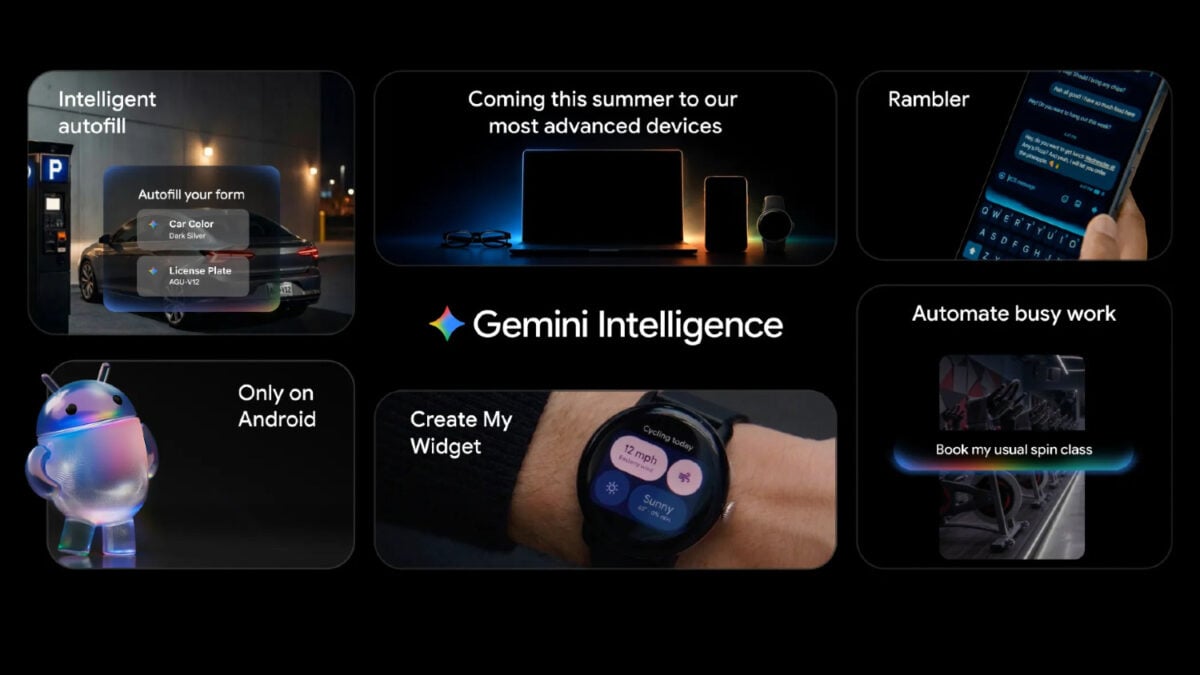
Per Google's product blog, the company is introducing Gemini Intelligence, a suite of AI features that will reach Chrome for Android and other Android devices beginning in late June for U.S. users on phones running Android 12 or higher with at least 4GB of RAM. The Chrome blog states these features are built on Gemini 3.1 and include an auto browse capability that can automate multi-step tasks with confirmation for sensitive actions. Reporting by Gizmodo and Android's product pages highlights additional elements named Rambler (an AI-driven dictation tool), expanded autofill powered by Personal Intelligence (opt-in), and system-level integrations across phones, watches, laptops, and cars. This widens agentic mobile workflows and raises developer, privacy, and integration tradeoffs for practitioners.
What happened
Per a Google product blog post dated May 12, 2026, Google is rolling out a suite called Gemini Intelligence that embeds Gemini capabilities into Chrome for Android and the broader Android ecosystem. The Google blog states the Chrome features are built on Gemini 3.1 and will introduce an auto browse feature to automate tasks like booking parking or updating orders, with built-in prompts to confirm sensitive actions. The blog specifies those Chrome features begin rolling out in late June for U.S. users on devices running Android 12 or higher with at least 4GB of RAM. (Google blog)
Technical details
Per the Google Chrome blog, the Chrome-for-Android rollout centers on page summarization, question-and-answer interactions, image creation/customization via a feature named Nano Banana, and the auto browse agentic workflow tool. (Google blog) Gizmodo and TechCrunch report additional system-level functionality under the Gemini Intelligence umbrella, including Rambler, which Google describes as a voice-to-text tool that "takes the important parts, then fit[s] them all together into a concise message," and an expanded Autofill that uses opt-in Personal Intelligence signals like YouTube and search history to populate forms. (Gizmodo; TechCrunch)
Product integrations reported
- •The Android product page lists Gemini Intelligence as coming to phones, watches, laptops, and cars and highlights homescreen widgets and proactive suggestions. (Android.com)
- •Developer-facing integration is already present: Google documents that Gemini in Android Studio is available in the stable channel and is offered in free, standard, and enterprise tiers with varying context windows and quotas. (developer.android.com)
- •Google announced a new laptop family called Googlebook designed around Gemini Intelligence. (blog.google snippet)
Industry context
Context and significance
What to watch
- •Rollout scope and timing: Google blog lists a late June start for Chrome features in the U.S.; watch for wider regional availability announcements. (Google blog)
- •Developer surfaces: whether Google exposes APIs or SDKs to integrate auto browse and sheet-level autofill workflows into third-party apps, and what quotas or tiers apply. (developer.android.com)
- •Privacy and consent mechanics: how opt-in Personal Intelligence is surfaced to end users and audited, since reporting calls out opt-in usage of search and YouTube history for Autofill. (Gizmodo)
- •Performance tradeoffs: device RAM and OS version minimums imply constraints; practitioners should monitor latency, battery, and on-device vs cloud evaluation splits as the rollout expands.
Bottom line
Editorial analysis
Platform-level integration of generative AI into both the OS and the primary mobile browser accelerates agentic, cross-app workflows and shifts the vector for where automation occurs - from isolated apps to system services. For practitioners, that typically means more demand for robust client-side safeguards, clearer user-consent flows, and new surface areas for telemetry and performance tuning. Industry reporting also frames these features as arriving alongside device and RAM minimums, which is a familiar pattern for balancing on-device responsiveness and cloud cost.
Bringing Gemini 3.1 features into Chrome for Android and system UX changes the developer and product calculus in two ways. First, browser-based agentic tools such as auto browse create opportunities for end-to-end automations that span web and native apps. Second, the availability of graded tiers in tools like Gemini for Android Studio signals differentiated capabilities for hobbyists versus teams needing larger context windows or enterprise controls. These are generic sector-level implications; they are not claims about Google's internal roadmap beyond what Google published.
Google is moving generative and agentic AI deeper into the mobile stack. That widens opportunities for richer user experiences but also concentrates new integration, privacy, and performance responsibilities for platform engineers and product teams.
Key Points
- 1Google is inserting Gemini into Chrome and Android system features, enabling browser-driven agentic workflows across apps and web content.
- 2The Chrome rollout uses Gemini 3.1 and a late-June U.S. launch window on Android 12+ devices with 4GB RAM, affecting compatibility and performance planning.
- 3Industry-wide implication: platform-level AI raises developer demand for consent UX, telemetry controls, and resource budgeting rather than app-only integration.
Scoring Rationale
Major platform integration by Google materially affects mobile developer workflows, browser automation, and privacy considerations; notable but not a frontier-model release.
Sources
Public references used for this report.
View 9 more sources
- Gemini Apps' release updates & improvementsgemini.google
- Geminigemini.google.com
- Google Previews Android 17 With 'Gemini Intelligence' a Month ...macrumors.com
- The Top New Features in Google’s Android 17—and Gemini Intelligence—Coming This Summerwired.com
- Everything Google announced at its Android Show, from Googlebooks to vibe-coded widgetstechcrunch.com
- Everything Announced At The Android Show: I/O 2026 Editionengadget.com
- New Google Smart Glasses Are Coming — Here's What We Know So Farbgr.com
- 🎬 Watch The Android Show | I/O Edition 2026youtube.com
- Google unveils Gemini Intelligence for Android this summerinvesting.com
Practice with real Ad Tech data
90 SQL & Python problems · 15 industry datasets
250 free problems · No credit card
See all Ad Tech problems