
GenAI Encourages Outsourcing Personal Communication Skills
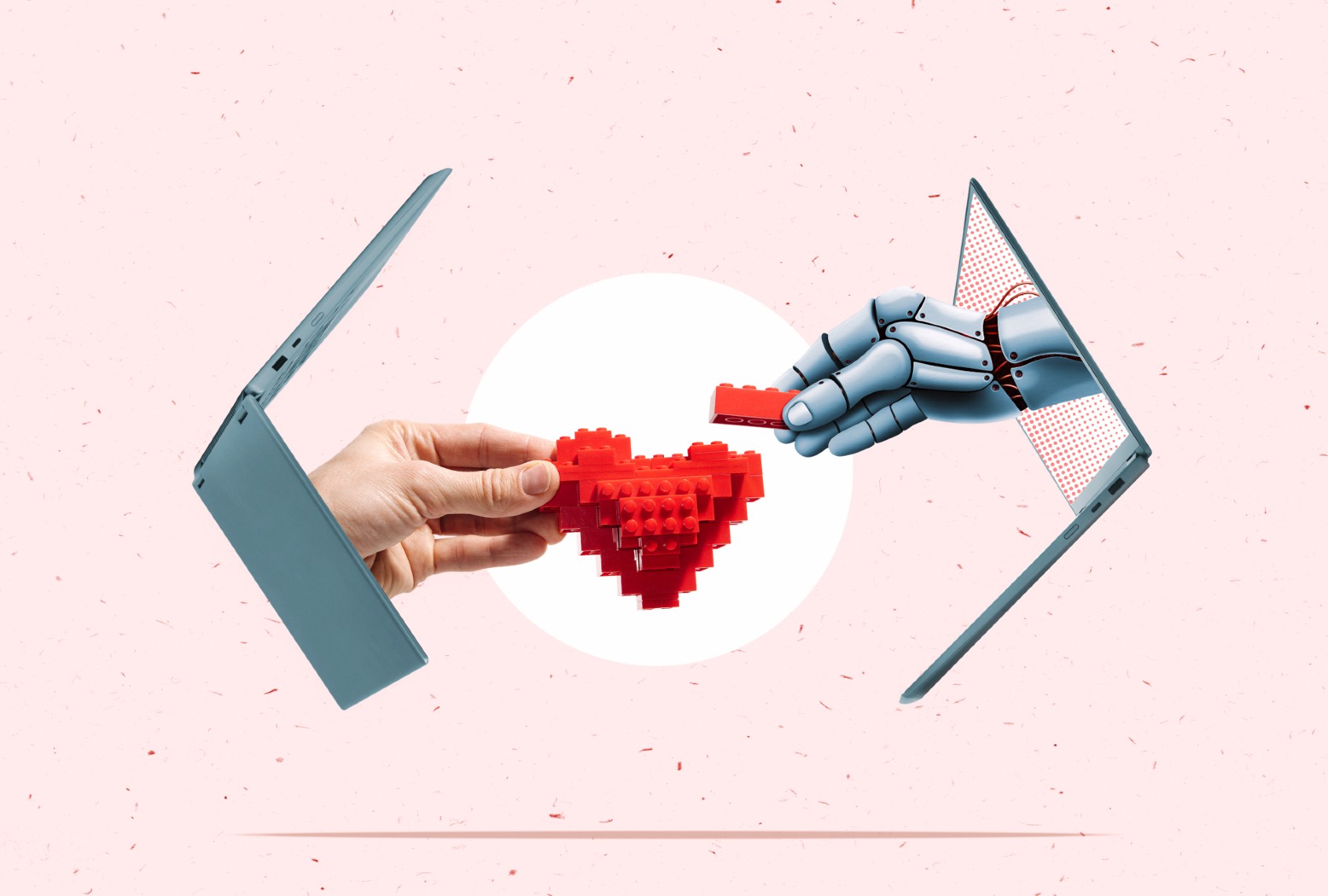
The Salon essay "You don't need AI to write a love letter," published June 10, 2026, critiques the normalization of generative AI in intimate, human-to-human communication. The writer reports Reddit threads where recipients describe AI-influenced messages as feeling "off," and cites examples including Google Docs' pop-up suggestions and public figures endorsing ChatGPT for personal uses. The piece quotes Kara Swisher telling Sunny Hostin, "Do you not have friends [you] can do that with?" and reports Hostin saying she has "a PhD in ChatGPT." Salon argues that tech companies are embedding agentic AI broadly and that this expands social acceptability for using AI in personal interactions. The essay frames this trend as a cultural shift with implications for emotional labor and interpersonal skills.
What happened
The Salon essay "You don't need AI to write a love letter," published June 10, 2026, documents cultural pushback against using generative AI in intimate communication. The piece reports Reddit conversations where people say AI-assisted messages feel wrong or generic. It cites consumer-facing examples such as Google Docs' suggestion pop-up and named public moments: Sunny Hostin saying she has "a PhD in ChatGPT" and Kara Swisher responding, "Do you not have friends [you] can do that with?" The article frames celebrity and influencer endorsements as amplifying the idea that AI belongs in personal correspondence.
Editorial analysis - technical context
Companies increasingly prototype and ship lightweight, agent-like features that surface suggestions during composition. Some products show inline suggestion UIs that prompt users before completion; the Salon essay places those behaviors in the context of everyday relationships. For practitioners, this reinforces that interface affordances shape user expectations about agency and attribution in text generation.
Context and significance
Industry context: The cultural friction described by Salon reflects a broader tension between utility and authenticity as generative systems move from productivity tasks into social domains. When suggestions are ubiquitous, normalization can change what users consider acceptable or authentic in personal messages. For designers and ML engineers, the issue touches on consent, explainability, and UX signals that distinguish human-authored from AI-assisted content.
What to watch
Indicators to monitor include adoption of inline suggestion widgets across major consumer apps, public discourse from influencers and media about personal AI use, and any product-level settings or disclosures for AI-assisted personal messaging. The Salon essay does not report a corporate statement explaining rationale for these features.
Key Points
- 1Consumer-facing suggestion UIs are pushing generative AI into personal messaging, changing norms around authenticity and effort.
- 2When suggestions appear inline, users may accept AI help by default, shifting expectations without explicit consent mechanisms.
- 3Public endorsements from influencers accelerate social acceptance, making UX design and disclosure critical for preserving perceived authenticity.
Scoring Rationale
A single-source Salon opinion essay critiquing AI use in personal messaging. Culturally relevant as a consumer sentiment indicator but not a technical development, research finding, or platform-breaking event. Score reflects editorial/opinion content with limited practitioner impact.
Sources
Public references used for this report.
Practice interview problems based on real data
1,625 SQL & Python problems across 15 industry datasets — the exact type of data you work with.
Try 250 free problems

