Gemini Enhances Android Auto With Five Use Cases
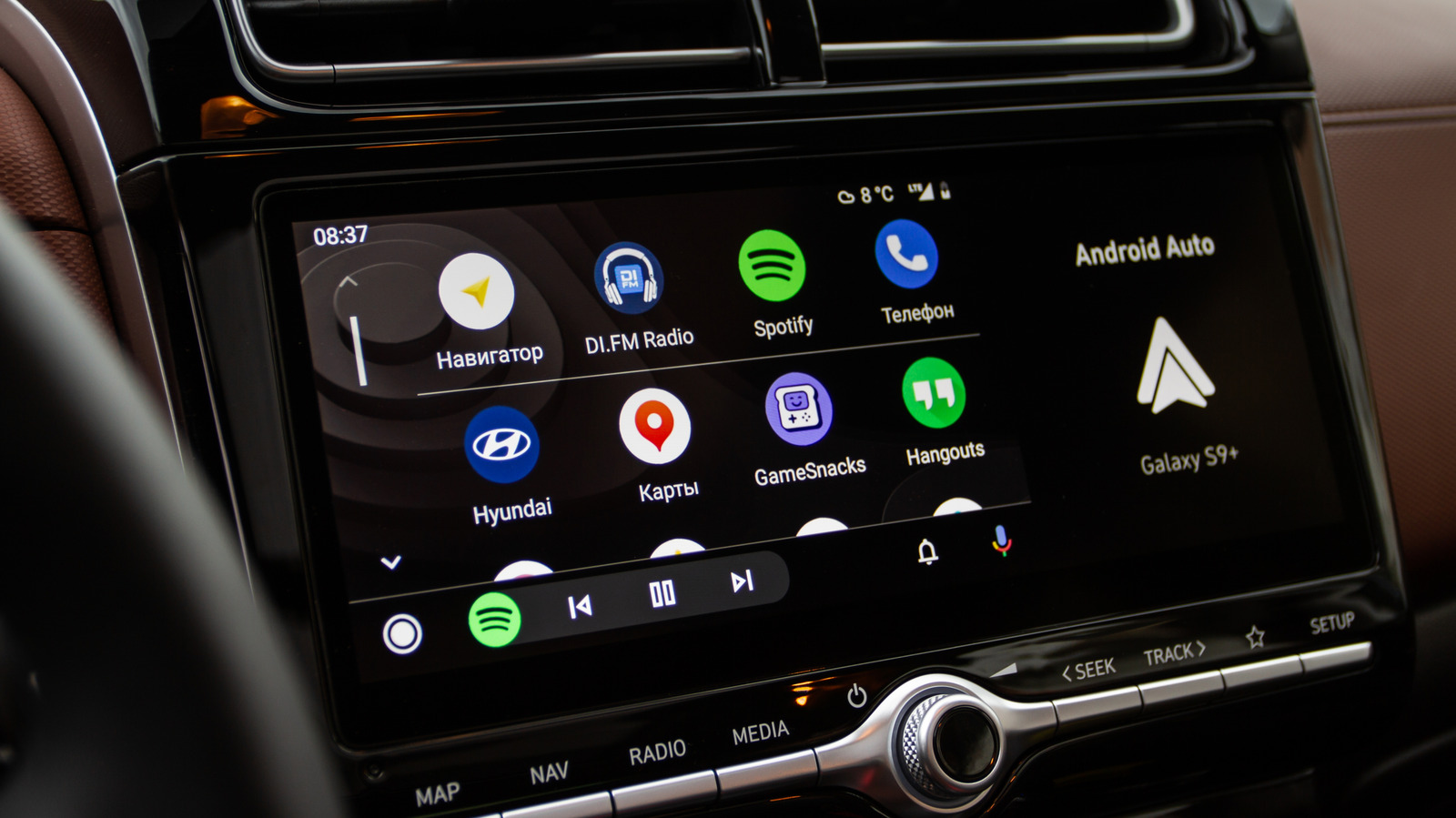
According to Google's Android for Cars blog, the Gemini assistant is rolling out to Android Auto and will appear to users who have the Gemini app on their phones. Multiple reviews and hands-on tests (ZDNET, XDA, BGR) report that Gemini on Android Auto can summarize emails and messages, search for local businesses and surface reviews via Google Maps, add multi-stop navigation items, create or control playlists, translate and send messages, and carry free-form conversations during drives. The Android for Cars blog notes Android Auto is available in over 250 million cars. The integration is reported to prioritize natural-language, multi-step interactions compared with legacy voice assistants.
What happened
According to Google's Android for Cars blog, the Gemini assistant is rolling out to Android Auto and will become available to users who have the Gemini app on their phones. The blog states Android Auto is available in over 250 million cars on the road, and that Gemini will be delivered to Android Auto users over the coming months. Reporting and hands-on reviews from ZDNET, XDA Developers, and BGR describe five practical in-car uses highlighted by the rollout: summarizing messages and extracting information from Gmail, finding and vetting local businesses using Google Maps data, adding stops and complex routing instructions via natural language, controlling music and generating playlists, and engaging in conversational chat during longer drives.
Technical details
Editorial analysis - technical context
Industry reporting emphasizes that the user-visible difference is conversational capability and multi-step handling rather than a single new sensor or hardware change. Reviews (ZDNET, XDA) note that Gemini handles chained requests and can search content inside linked services (for example, extracting an address from Gmail and turning it into a navigation waypoint) which is enabled by Android Auto's integration with Google services like Gmail and Google Maps. Multiple hands-on accounts report smoother follow-up prompts and context retention compared with earlier Assistant interactions, enabling tasks that previously required precise command phrasing.
Context and significance
The move places a larger, conversational foundation inside a widely deployed vehicle UI, which could change how drivers rely on voice interfaces for nontrivial tasks. For practitioners, the practical consequences are twofold: voice UX will need to account for longer conversational turns and richer downstream actions (route modification, email parsing, translation), and app integrations that expose structured data (locations, calendar items, playlists) will be more valuable in the vehicle context. Reviews highlight safety-focused design goals, but note that efficacy depends on accurate intent recognition and reliable access to users' linked accounts.
What to watch
Limitations noted in reporting
Editorial analysis
Observers should monitor rollout scope and permission flows, because features that access inbox content, calendars, and translations require account-level access and clear user consent. Also watch how latency and offline handling perform in real driving conditions, since hands-on pieces (XDA, ZDNET) describe multi-step queries that can amplify perceived latency. Finally, follow how third-party apps expose actionable metadata for richer in-car interactions and whether automakers or head-unit vendors surface new UI affordances for conversational outcomes.
Early reviews emphasize that results depend on permissions, network reliability, and how well Gemini interprets ambiguous queries. Reviewers observed occasional failures on complex tasks and surfaced the need to verify that sensitive actions (sharing locations, sending messages) have explicit user confirmation flows. These are typical practical constraints when deploying generative or conversational assistants in safety-sensitive environments like vehicles.
Bottom line for practitioners
Industry context
The integration demonstrates how foundation-model-powered assistants are moving into embedded consumer contexts where multi-step workflows and cross-service data access matter. Engineers and UX designers building voice-enabled experiences should plan for richer conversational state, clearer consent and confirmation patterns, and variable latency in live driving conditions.
Key Points
- 1Gemini on Android Auto brings conversational, multi-step voice interactions to the car, enabling tasks beyond simple commands.
- 2Integrated access to Google services (Maps, Gmail, Playlists) turns search and inbox data into actionable in-car workflows.
- 3Practitioners should expect increased importance of permission design, latency handling, and multi-turn conversational UX for vehicle UIs.
Scoring Rationale
This is a notable product integration that changes the in-car voice UX by adding conversational, multi-step capabilities to a widely deployed platform. It is important for engineers and UX designers but not a frontier-model paradigm shift.
Sources
Public references used for this report.
View 6 more sources
- I tested Gemini on Android Auto and now I can't stop talking to itzdnet.com
- Gemini for Android Automotive is rolling out soon, even if your car isn’t brand new9to5google.com
- Google Gemini in Android Auto Starts Rolling Out More Widelythurrott.com
- 2 best Google Gemini features for Android Auto - MSNmsn.com
- Android Auto may finally solve its issue with alarmsandroidpolice.com
- Millions of Android Automotive cars are finally getting Gemini – is your car one of them?t3.com
Practice interview problems based on real data
1,625 SQL & Python problems across 15 industry datasets — the exact type of data you work with.
Try 250 free problems