G7 Hosts AI CEOs Amid Protests and Criticism
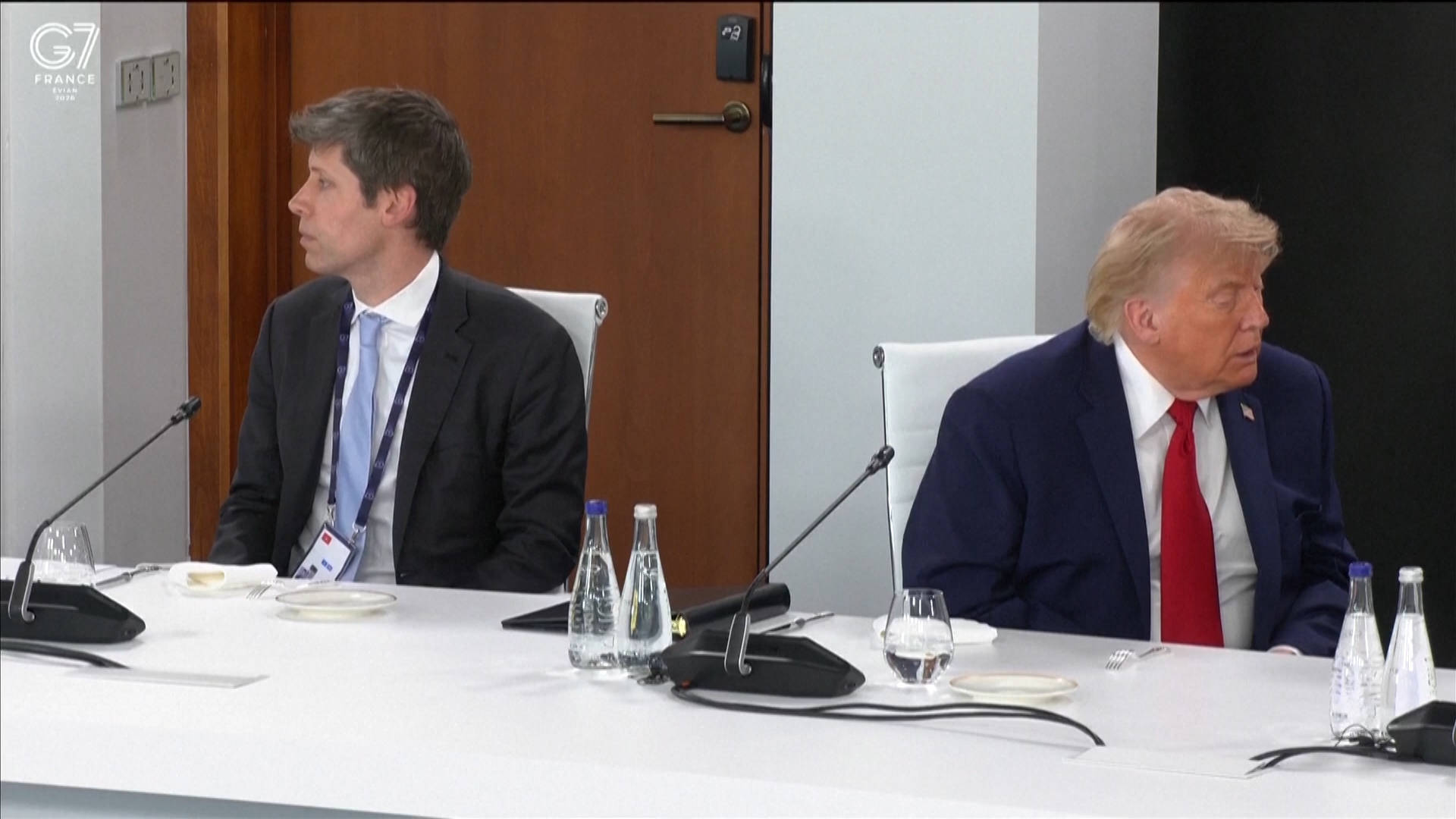
CEOs of OpenAI, Anthropic, and Google DeepMind joined G7 leaders for a working lunch on AI policy at the June 15-17, 2026 summit in Evian-les-Bains, France, while an estimated 20,000 protesters demonstrated in nearby Geneva, some clashing with riot police. Oxfam International executive director Amitabh Behar, quoted by Truthout, called the summit "a club of the super-rich super-elites," and a parallel counter-summit in Geneva focused specifically on AI's societal risks. The tech-executive presence came days after the U.S. ordered Anthropic to disable its Fable 5 and Mythos 5 models for foreign nationals over national-security concerns, an order the company later said was partially eased. For AI teams, the combination signals that government engagement with frontier labs, and government restrictions on them, are escalating in parallel.
Frontier AI CEOs sitting alongside heads of state at a G7 working lunch, timed just days after one of those same firms was hit with a national-security export-control order, is a concrete marker of how fast AI has moved from a policy talking point to a subject of direct government intervention. For practitioners, the juxtaposition, access and restriction happening almost simultaneously, is a better predictor of the near-term regulatory environment than either event read in isolation.
What happened
G7 leaders held a working lunch with tech executives, including OpenAI's Sam Altman, Anthropic's Dario Amodei, and Google DeepMind's Demis Hassabis, on June 17, 2026, during the G7 summit in Evian-les-Bains, France. Amodei and Hassabis used the meeting to call for a U.S.-led international coalition to set AI rules and standards, according to CNBC. Just across the border, an estimated 20,000 people protested the summit in Geneva on June 14, including roughly 600 self-described "Black Bloc" militants; the demonstration turned violent, with a car set ablaze and a bank's windows broken amid clashes with riot police using tear gas and water cannon, CBC and PBS reported. A separate counter-summit organized by G7 critics in Geneva devoted significant discussion to AI's societal risks, according to SWI Swissinfo. Truthout, drawing on a Democracy Now! interview, reported that Oxfam International executive director Amitabh Behar called the G7 "a club of the super-rich super-elites," and cited a protest sign reading, "Your enemies don't arrive by boat. They arrive by private jet."
Regulatory context
Days before the summit, the U.S. government ordered Anthropic to disable access to its newest models, Fable 5 and Mythos 5, for all foreign nationals, including foreign employees inside the US, citing national-security concerns, Al Jazeera and Reuters reported on June 13, 2026. Anthropic said the government's report likely concerned Fable 5's code-review capabilities and that it disagreed the software should be blocked on that basis, noting rival models have similar capabilities. NPR reported on June 27 that the administration subsequently eased the restriction for one of the two models.
For practitioners
The combination of direct AI-CEO access to heads of state and a same-week export-control action against one of those companies illustrates that policy exposure now cuts both ways: frontier labs can shape emerging international AI standards while simultaneously facing unilateral national-security restrictions on model access. Teams operating internationally should treat export-control and foreign-access risk for frontier models as an active, not hypothetical, compliance consideration.
What to watch
Key signals to track include whether the proposed U.S.-led AI coalition advances into a formal framework, whether the Fable 5 and Mythos 5 restrictions are further modified, and whether civil-society pressure demonstrated at the Geneva counter-summit translates into concrete G7 policy commitments on AI's economic and environmental impact, which Truthout reports were not substantively addressed at the summit itself.
Key Points
- 1OpenAI, Anthropic, and Google DeepMind's CEOs joined G7 leaders at a June 17, 2026 working lunch, pitching a US-led framework for international AI standards.
- 2An estimated 20,000 people protested the G7 in Geneva, with some clashes turning violent, underscoring public backlash against tech industry influence on policy.
- 3The summit followed a US export-control order forcing Anthropic to cut foreign-national access to its Fable 5 and Mythos 5 models over security concerns.
Scoring Rationale
A well-corroborated dual story: frontier AI CEOs gaining direct policy access at G7 while one of those same firms faced a national-security export-control order days earlier, plus large-scale public protest. Previously thin (empty sources_json, single advocacy-outlet framing) but the underlying facts are independently confirmed by CBC, Al Jazeera/Reuters, and CNBC, warranting a modest upward revision from the original score.
Sources
Public references used for this report.
Practice interview problems based on real data
1,625 SQL & Python problems across 15 industry datasets — the exact type of data you work with.
Try 250 free problems