Framer launches Framer 3.0 with AI agents and Branching
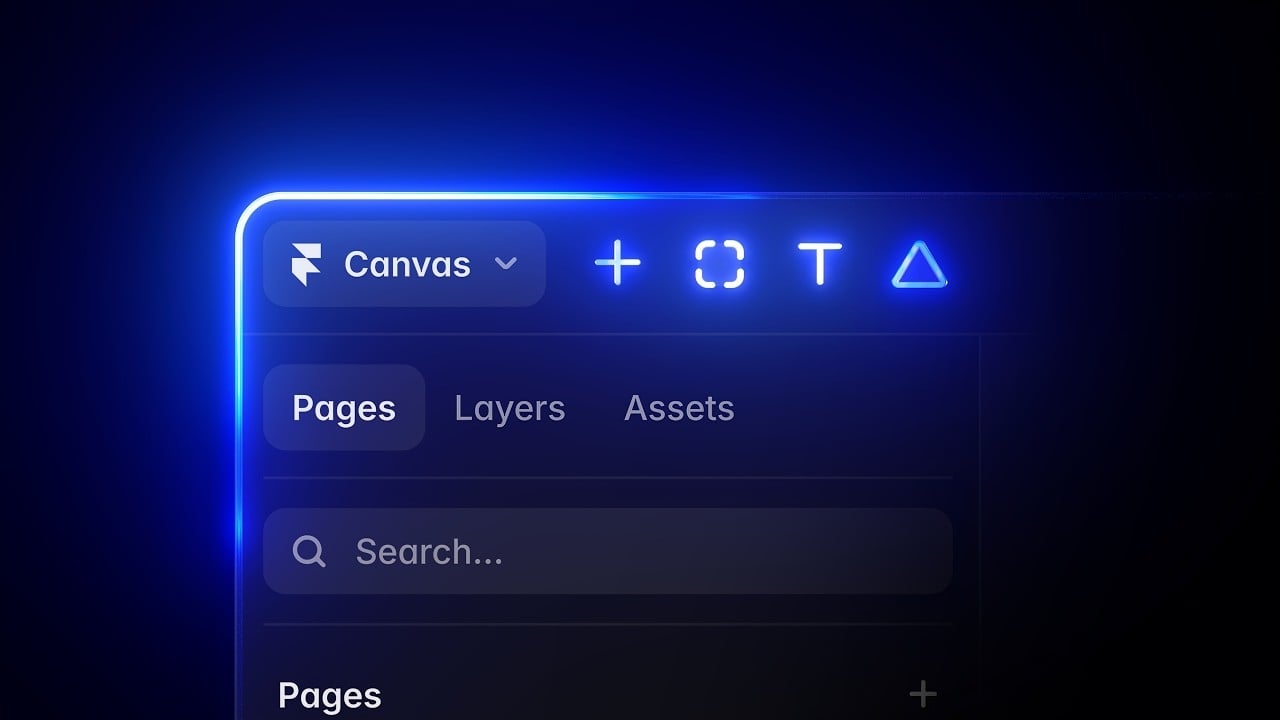
According to Framer's product update, Framer 3.0 is released with canvas-native AI Agents, a Git-style Branching workflow, an expanded Community and Marketplace, and integrations for external agents. Per Framer's announcement, Agents can design pages, create components, add breakpoints and effects, write code, connect to the CMS, and surface analytics directly inside the design canvas. Tugatech reports the release is available to users today and highlights features for converting screenshots into structured layouts, performing SEO and accessibility audits, and letting teams review changes before publishing. LushBinary frames the release as Framer embedding AI into the visual workspace rather than as a one-shot generator and notes support for external tools such as Claude Code, Cursor, and Gemini CLI via the platform's external-agent system.
What happened
Framer published an update announcing Framer 3.0, adding Agents, Branching, a rebuilt Community and Marketplace, and an all-new UI, according to Framer's release (published on Framer.com). Framer's product page lists canvas-native AI Agents that can "design entire pages, iterate with you, make breakpoints, add effects, create components, write code, connect to the CMS, share site analytics, organize styles," and more. Tugatech's coverage reports the release is available to users today and highlights agent features that convert screenshots into structured layouts and run SEO and accessibility audits.
Technical details
Per Framer's update and corroborating guides, the release centers on four pillars, which the company and independent guides enumerate as:
- •AI Agents embedded in the design canvas that generate and iterate UI and content
- •Branching for isolated test-and-merge workflows
- •External agents (MCP) to connect third-party AI tooling such as Claude Code, Cursor, and Gemini CLI
- •A reworked Community/Marketplace for discovery and creator monetization
Framer's documentation characterizes Agents as operating inside the visual canvas rather than as an external generator, giving designers the ability to edit agent output directly in the UI. LushBinary's guide cautions that many AI-generated layout tools work only briefly in demos and frames Framer's approach as keeping the model inside designers' existing workflow to improve control and iteration.
Editorial analysis - technical context
Industry-pattern observations: embedding AI agents inside an interactive canvas reduces the friction between generation and manual refinement, a pattern also visible in recent visual-code and IDE integrations. For practitioners, this architecture shifts the failure modes away from black-box outputs and toward model-assisted interactive authoring, which increases dependence on reliable model-to-UI mapping, deterministic component generation, and stable CSS/style systems. Observers will want to watch how Framer exposes versioning metadata and diffable artifacts for reproducibility and rollback when agents modify component code or styles.
Context and significance
Framer's move follows a broader trend of developer and design tooling adding AI-assisted workflows; examples include AI copilots in IDEs and generative layout tools. LushBinary frames the release as Framer positioning AI as a persistent assistant rather than a one-time generator, and Tugatech emphasizes production-facing features such as SEO/accessibility checks and branching for safe testing. For teams that maintain brand systems and strict accessibility requirements, the ability to review and approve agent-produced changes inside an isolated Branch can materially change how AI is integrated into production flows.
What to watch
Editorial analysis
practical adoption indicators include how accurately Agents respect existing design systems and component libraries, the fidelity of code output (readability, testability), and how well Branching supports merge/conflict resolution for component-level changes. Also track external-agent connectors' authentication and data flows when integrating third-party models like Claude Code or Gemini CLI, since third-party calls introduce provenance and security considerations. Finally, monitor whether the Community and Marketplace enable discoverability of vetted agent-driven templates and whether monetization changes creator incentives.
Immediate limitations and open questions
Industry-pattern observations: early releases of canvas-native generative tools commonly surface limits on brand consistency, accessibility completeness, and overfitting to demo scenarios. Independent guides and early commentary urge hands-on evaluation of agent output quality and the editorial controls available for teams before relying on Agents for production workloads.
Bottom line
Framer 3.0 is a substantive product update that embeds AI Agents and adds Branching and Community features, per Framer's announcement and independent guides. Industry observers will judge impact by how well agent outputs integrate with existing component systems, the robustness of Branching workflows, and the safety model for third-party agent integrations.
Key Points
- 1Framer 3.0 embeds canvas-native Agents that can generate pages, components, styles, and CMS connections inside the design UI.
- 2Branching introduces Git-style isolated workflows for design changes, giving teams a review-and-merge path before publishing.
- 3External-agent support (MCP) broadens tooling choices, but connectors raise provenance, security, and API-consistency considerations for practitioners.
Scoring Rationale
Framer 3.0 integrates canvas-native AI agents and Git-style branching into a widely-used web design tool, with MCP support connecting to Claude Code and Cursor. Relevant to front-end and product engineers adopting AI-assisted workflows, but a commercial design tool release rather than a research advance or major infrastructure change.
Sources
Public references used for this report.
Practice interview problems based on real data
1,625 SQL & Python problems across 15 industry datasets — the exact type of data you work with.
Try 250 free problems