Flipkart-Counterpoint Report Finds AI Shapes Smartphone Purchases
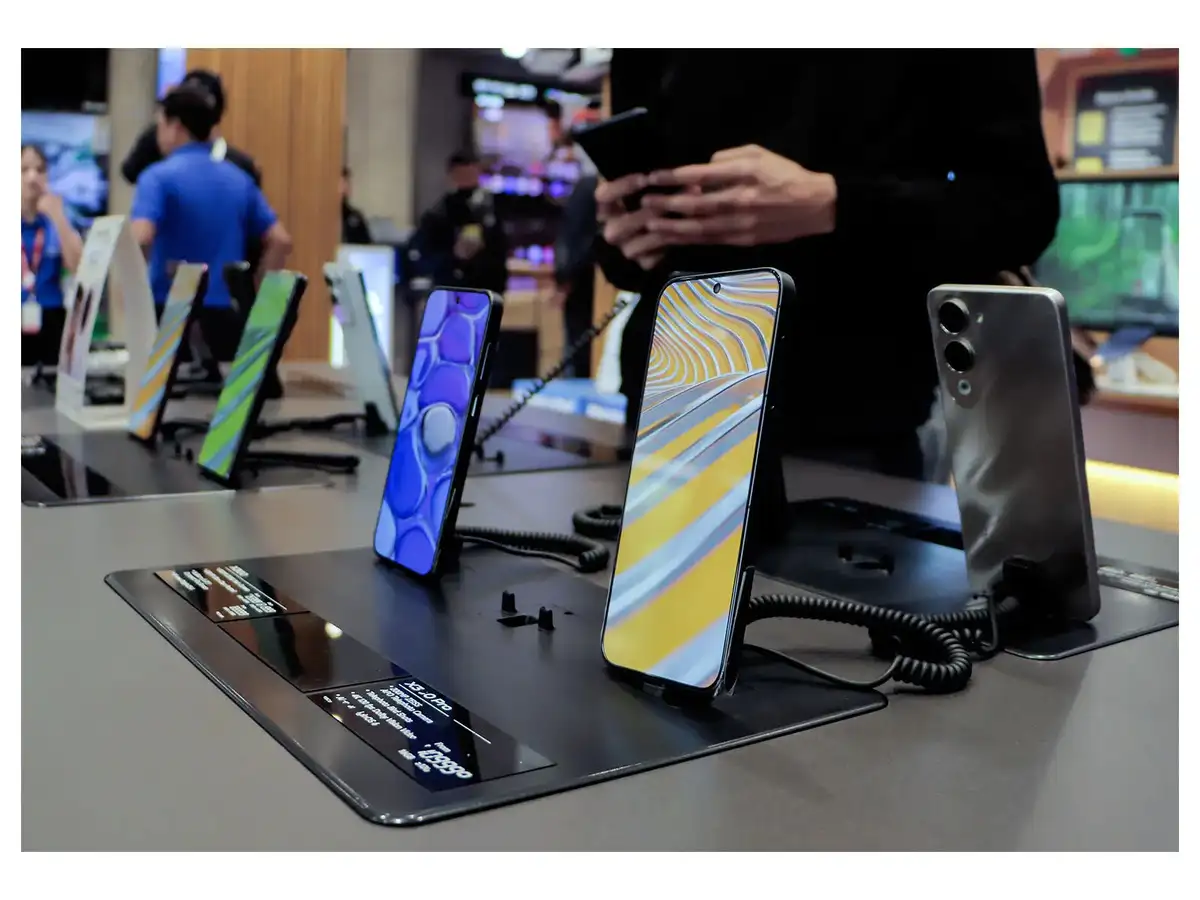
Flipkart and Counterpoint Research published the "Smartphone Insights Report 2026" reporting that 89% of Indian smartphone users say AI features influence their purchase decisions. The report, unveiled at Flipkart, India's Favourite Smartphone Awards, notes rising baseline expectations for AI across price bands and a reported 30% adoption rate for GenAI-enabled devices in the Rs 15,000-20,000 segment, per the report. The study also finds 33% of buyers are using EMI schemes, and that price/value-for-money, brand trust and online reviews remain top decision drivers at 60%, 57%, and 56% respectively. Usage patterns differ by cohort: Gen Z favors content creation and entertainment, millennials favour productivity and planning, and women respondents report using AI for everyday assistance and lifestyle needs. The findings indicate mainstreaming of on-device and generative AI in consumer expectations across Indian price tiers.
What happened
Flipkart and Counterpoint Research released the "Smartphone Insights Report 2026", which the partners presented at Flipkart, India's Favourite Smartphone Awards on April 30, 2026. The report states that 89% of Indian smartphone users indicate that AI features influence their purchase decisions, and it cites a 30% adoption rate for GenAI-enabled devices in the Rs 15,000-20,000 segment. The report also notes 33% of buyers opt for EMI schemes and lists price/value-for-money (60%), brand trust (57%) and online reviews (56%) as leading purchase drivers. The study reports that 64% of consumers prefer colourful devices and that many are willing to pay a 5% premium for preferred colour or material, with stronger preference among women, Gen Z and Tier-2 consumers.
Editorial analysis - technical context
The report emphasises the spread of AI from isolated features toward integrated experiences, including on-device AI, multimodal interactions and emerging AI agents, per the Flipkart-Counterpoint summary. Industry-pattern observations: As hardware and mobile-SoC vendors ship more efficient inference engines and manufacturers expose on-device models, product teams typically shift emphasis from raw specs to experience signals like latency, privacy and model-driven UX. For practitioners, this raises priorities around model compression, quantisation, federated or hybrid on-device/cloud inference, and metrics for subjective experience.
Context and significance
The findings place India among markets where AI capability has moved from premium differentiator to baseline expectation across price tiers. Comparable market reports have shown that increased availability of generative and on-device AI features tends to accelerate user expectations, influencing OEM feature roadmaps and competitive positioning. For data scientists and ML engineers, rising consumer demand for AI-driven personalization and content creation increases the operational importance of data pipelines, continuous model evaluation, and safeguards for bias and safety in consumer-facing models.
What to watch
Observers should track: adoption metrics for GenAI-enabled devices by price band (the report highlights the Rs 15,000-20,000 band), OEM disclosures about on-device model capabilities, measures of perceived latency and battery impact, and vendor choices on model update strategies (local vs cloud). Also monitor whether EMI-driven purchases materially change upgrade cycles and churn patterns reported by retailers and carriers.
Key Points
- 1AI features influence 89% of Indian smartphone buyers, indicating experience-led purchasing surpasses pure-spec decisions.
- 2GenAI-enabled device adoption is reported at 30% in the Rs 15,000-20,000 band, pushing AI toward baseline expectations in mid-range phones.
- 3Rising AI expectations increase the operational need for on-device model efficiency, personalization metrics, and safety checks for consumer-facing ML.
Scoring Rationale
The report documents a clear shift in consumer expectations that matters for product teams, mobile ML engineers, and vendors designing on-device AI. It is a notable market trend but not a new technical breakthrough.
Sources
Public references used for this report.
Practice interview problems based on real data
1,625 SQL & Python problems across 15 industry datasets — the exact type of data you work with.
Try 250 free problems