Fireshine Games Rejects Generative AI as Far Far West Sells One Million
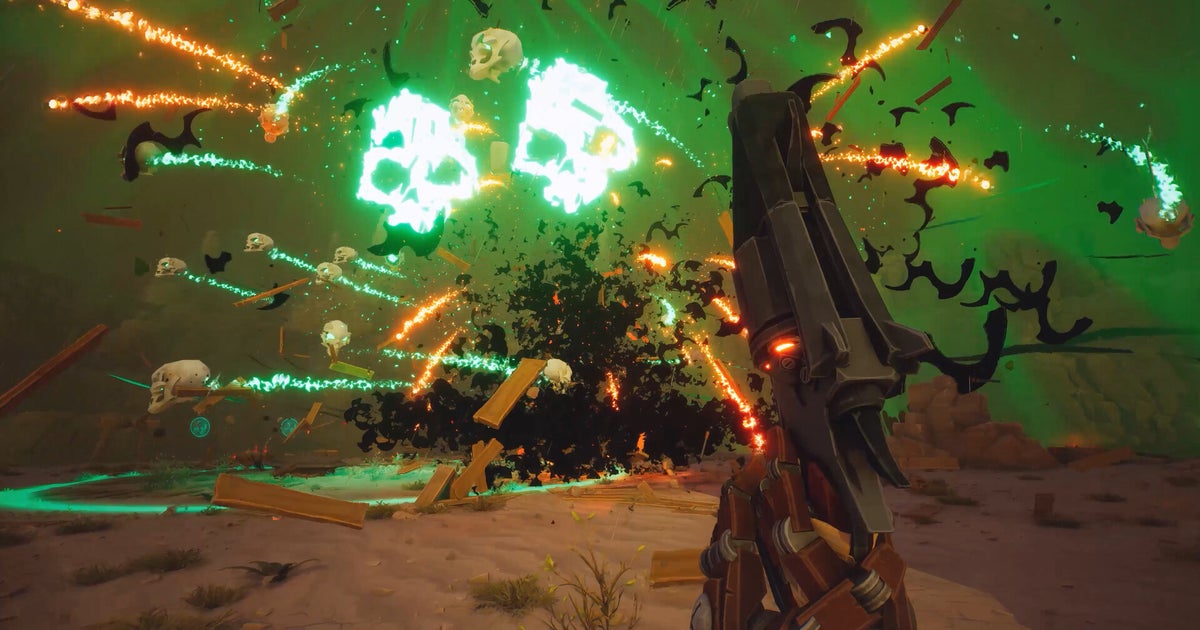
Fireshine Games, publisher of the Steam early access hit Far Far West, has drawn a clear line on generative AI usage. According to an interview with _GamesIndustry.biz_, Fireshine CEO Brian Foote said, "We don't work with partners that are relying on generative AI or generative art," while allowing some AI-assisted development tools such as code completion, which Foote described as a different scenario. Sales for Far Far West have been strong: _GamesIndustry.biz_ reports the title sold more than one million copies within its first two weeks, while _Eurogamer_ reports over one million copies in three weeks after the 28 April early access launch. The developer is Evil Raptor. Hooded Horse CEO Tim Bender is also quoted advising against generative AI use for placeholder assets, per _GamesIndustry.biz_.
What happened
Fireshine Games, publisher of the co-op shooter Far Far West, said it will not work with partners "relying on generative AI or generative art," according to an interview with _GamesIndustry.biz_ where Fireshine CEO Brian Foote is quoted. Foote added that tools such as code completion or using Copilot for documents are "an entirely different set of scenarios," and conceded many teams will touch AI in some form while drawing a line at core game-creation assets. _GamesIndustry.biz_ reports Far Far West sold more than one million copies within its first two weeks on Steam. _Eurogamer_ reports the game has exceeded one million sales in three weeks since its 28 April early access launch. The game developer is Evil Raptor.
Editorial analysis - technical context
Companies in creative industries are increasingly distinguishing between generative AI for asset creation and utility AI tools for developer productivity. Industry reporting shows two recurring technical categories: generative-art systems that produce imagery, audio, or level content, and assistive tools such as code completions and document helpers. Observers and publisher statements often treat those categories differently because of provenance, legal risk, and perceived creative authorship.
Context and significance
For practitioners, Fireshine's stance is important as a market signal rather than a regulatory precedent. Industry reporting frames this as part of a broader, uneven response from publishers and studios: some publishers adopt strict no-generation policies for art, while others allow AI for workflows or placeholders. Tim Bender, CEO of Hooded Horse, is quoted in _GamesIndustry.biz_ advising teams to avoid generative AI even for placeholders because auto-generated assets can slip into final builds. Those divergent public positions affect vendor selection, studio procurement, and asset-auditing practices across game production pipelines.
What to watch
Indicators that matter to developers and technical leads include publisher contract language on asset provenance, auditability and attribution clauses, adoption of internal asset-verification tooling, and whether platform holders or storefronts introduce metadata requirements for AI-generated content. Also watch for follow-up statements from studios and additional publisher policies that clarify permitted AI tooling versus banned generative assets.
Key Points
- 1Publisher policy is bifurcating: many firms reject generative-art assets but permit productivity AI like code completion.
- 2Public sales success for Far Far West strengthens publisher bargaining power when defining partner requirements.
- 3Studio and publisher guidance on provenance, audit trails, and contract clauses will shape asset pipelines industry-wide.
Scoring Rationale
This is a notable industry-business development: a successful early access title plus a publisher drawing a clear public line on generative AI affects studio contracts and asset pipelines. It is not a frontier-technology breakthrough, but it matters to developers and producers.
Sources
Public references used for this report.
Practice interview problems based on real data
1,625 SQL & Python problems across 15 industry datasets — the exact type of data you work with.
Try 250 free problems