FedEx Freight Embraces Self-Driving Linehaul Technology
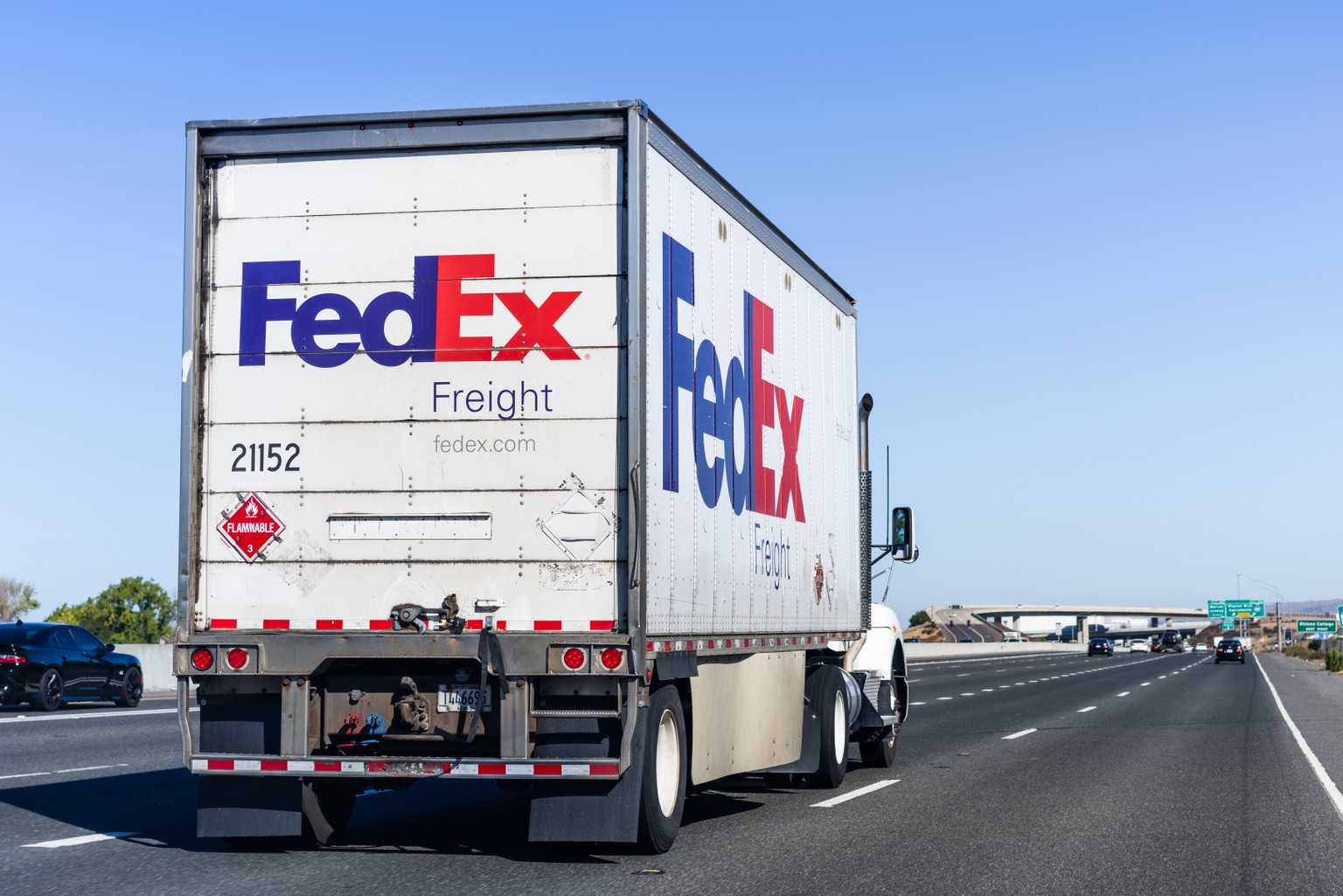
Seeking Alpha reports that FedEx has spun off FedEx Freight, with the new unit trading independently and management highlighting technology as a focus. Seeking Alpha quotes FedEx Freight CEO John Smith saying line-haul autonomous trucks have been tested and that in many trials "99.9% of the time, [the safety driver] never touches one thing." FedEx and Aurora Innovation previously described an expanded commercial pilot in Texas, and a FedEx press release states the partnership has logged 60,000 miles with zero safety incidents. Public statements and corporate releases emphasize safety-assist features and regulatory barriers as the main open issues.
Technical details
Editorial analysis - technical context
Public filings and press releases on these pilots emphasize line-haul rather than pickup-and-delivery autonomy. The cited pilots focus on long-distance interstate segments where environment is more structured, which is consistent with industry pilots that pair human safety drivers with sensors, perception stacks, and vehicle-control systems to handle sustained highway driving. The FedEx newsroom notes operational metrics-on-time performance and mileage-while Aurora's materials describe integration with PACCAR's platform; both types of disclosures track typical deployment-readiness signals such as reliability, mileage, and safety-incident counts (FedEx newsroom; Aurora newsroom).
Context and significance
Logistics incumbents have been piloting autonomous line-haul systems because highway segments reduce edge-case complexity relative to urban pick-up and delivery. Public reporting from FedEx and Aurora frames autonomy as a route to incremental safety and efficiency improvements-collision avoidance, lane-departure mitigation, and rollover stability are cited in Seeking Alpha and FedEx materials as tangible safety benefits (Seeking Alpha; FedEx newsroom). At the same time, multiple sources flag regulatory and political challenges as constraints on fully driverless operation, which is a recurring theme across large-scale trucking pilots (Seeking Alpha; WSJ snippet).
What to watch
For practitioners
Companies evaluating autonomy integrations will look for published operational KPIs and third-party validation of safety claims before altering fleet architectures. Reporting so far prioritizes line-haul pilots and safety-assist features rather than urban replace-the-driver scenarios, which aligns with gradual, lane-by-lane deployment patterns in the trucking sector.
Limitations in the record
What happened
Seeking Alpha reports that FedEx has spun off FedEx Freight, with shares of the newly independent unit trading separately, and that FedEx Freight CEO John Smith discussed the business after ringing the NYSE opening bell (Seeking Alpha). Seeking Alpha quotes Smith saying the line-haul autonomous technology has been tested and that "99.9% of the time, [the safety driver] never touches one thing" during certain runs (Seeking Alpha). Earlier corporate communications show a multi-year pilot with Aurora Innovation: a FedEx newsroom release states the Aurora pilot has completed 60,000 miles with zero safety incidents and expanded to additional Texas lanes (FedEx newsroom, May 18, 2022). Aurora's press materials describe a commercial pilot between Dallas and Houston and partnerships with PACCAR to integrate autonomy into Class 8 trucks (Aurora newsroom, Sep 22, 2021).
None of the cited sources supplies a public, dated regulatory approval for unattended, driverless runs on interstate highways; Seeking Alpha and the WSJ snippet both report executives pointing to regulation as the main remaining barrier (Seeking Alpha; WSJ snippet). FedEx and Aurora press releases describe pilots with safety drivers and milestone metrics but do not document a production-scale, driverless commercial rollout (FedEx newsroom; Aurora newsroom).
Bottom line
Industry context
Observers should track three measurable indicators that usually precede broader adoption in this space:
- •regulatory decisions or pilot exemptions in major interstate states that would permit driverless commercial operation;
- •published safety and reliability metrics from commercial pilots beyond mileage and incident counts, for example disengagement rates and mean time between interventions; and
- •OEM and fleet integrations, including announcements from truck manufacturers such as PACCAR and delivery carriers expanding lane networks (Aurora newsroom; FedEx newsroom).
The combination of a high-profile carrier separating its freight unit and prior pilot mileage with Aurora underlines ongoing industry momentum behind highway autonomy. At the same time, public materials emphasize incremental safety benefits and the regulatory gap that currently limits fully unattended operation.
Key Points
- 1FedEx spun off FedEx Freight and public comments emphasize autonomous line-haul testing, underlining logistics interest in highway autonomy.
- 2FedEx and Aurora report pilot progress-60,000 miles with zero safety incidents-showing operational metrics matter more than proof points alone.
- 3Industry pattern: incumbents test autonomy on structured highway lanes first; regulatory approvals and transparent safety KPIs will drive broader adoption.
Scoring Rationale
This story is notable for practitioners because a major carrier is foregrounding autonomous line-haul pilots and publishing operational milestones-evidence of steady deployment momentum. The absence of regulatory approvals, however, limits immediate production impact.
Sources
Public references used for this report.
Practice with real Logistics & Shipping data
90 SQL & Python problems · 15 industry datasets
250 free problems · No credit card
See all Logistics & Shipping problems