Fed Highlights AI-Driven Demand and Inflation Risks
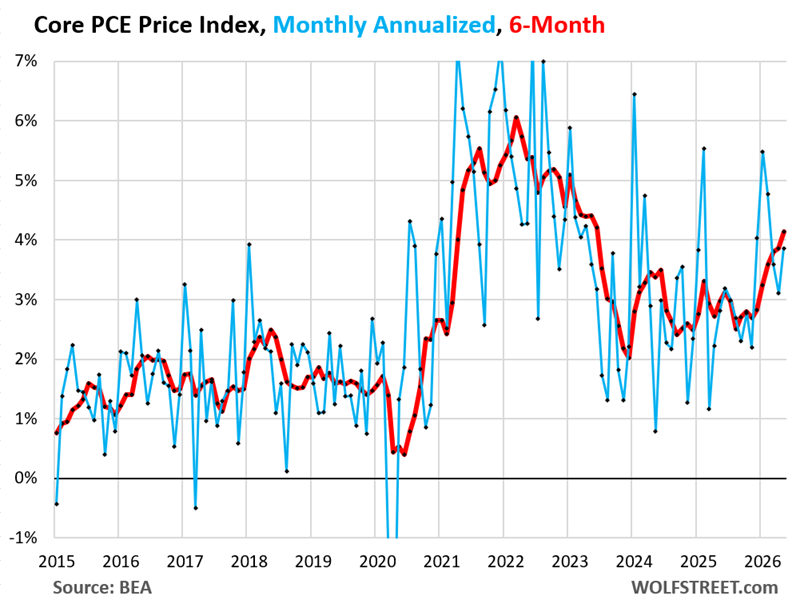
Federal Reserve minutes for the June 16-17, 2026 meeting identify AI buildout as a present inflation pressure, not only a future productivity story. The official minutes say demand tied to AI infrastructure is lifting technology-product and electricity prices, while strong AI business investment may add to persistent inflation. For AI teams, the macro implication is practical: data-center power contracts, GPU/server procurement, and debt-funded infrastructure plans can feed into rate expectations that affect cloud pricing and capital budgets. Wolf Street and Kitco highlighted the sharp rise in AI references, while AP and WSJ framed the debate around possible higher rates if inflation stays elevated. The productivity upside is still there, but the minutes say those gains would likely take time to materialize.
The important LDS signal is that AI infrastructure demand is now visible inside central-bank inflation analysis. That changes how practitioners should read data-center buildout, GPU procurement, and cloud-capacity plans: they are no longer only technology-cycle inputs, but also macro variables that can influence rates, financing costs, and price pressure across the AI stack.
What happened
The Federal Reserve's minutes for the June 16-17, 2026 FOMC meeting discuss AI repeatedly across market conditions, investment, prices, productivity, and policy risk. The minutes say the surge in demand related to the AI buildout contributed to core-goods price pressure, that strong AI business investment could contribute to more persistent inflation, and that ongoing AI infrastructure demand would likely sustain upward pressure on technology-product and electricity prices.
Market context
AP reported that officials were split over the inflation path, with many worried that AI buildout could keep inflation elevated through semiconductors, technology goods, and electricity. WSJ similarly framed AI investment as one of the forces that could tip the Fed toward higher rates if price pressures do not fade. Wolf Street and Kitco focused on how much more prominent AI became in the minutes compared with earlier meetings.
Technical context
The mechanism is familiar to AI infrastructure teams: hyperscale data centers, GPU-class servers, networking gear, memory, and power contracts all sit in constrained supply chains. When demand accelerates at the same time as tariffs or energy shocks, AI organizations can face higher input costs even before any monetary-policy response shows up in financing terms.
For practitioners
Budget owners should connect model-roadmap planning to macro indicators. Long-term cloud reservations, dedicated GPU capacity, data-center power agreements, and debt-funded infrastructure plans can become more expensive if inflation concerns keep rates higher or if AI demand tightens supply for servers and electricity. The right operational response is not to pause AI investment, but to stress-test cost assumptions against rate, power, and hardware-price scenarios.
What to watch
Watch the Fed's July communications, the next dot plot, semiconductor lead times, data-center power pricing, hyperscaler capex guidance, and whether future minutes continue treating AI demand as inflationary. The productivity upside remains a real counterweight, but the minutes explicitly say those benefits are uncertain and likely take time to materialize.
Key Points
- 1Fed officials are treating AI infrastructure demand as a current inflation input across electricity, semiconductors, and technology equipment.
- 2That macro framing can affect AI budgets through rates, cloud prices, data-center costs, and hardware procurement cycles.
- 3Productivity benefits remain possible, but the minutes say timing and magnitude are uncertain and likely lag the demand shock.
Scoring Rationale
This is a notable macro-policy signal for AI practitioners because the Fed is explicitly treating AI infrastructure demand as a current price-pressure input, not merely a future productivity story. It affects budgeting and financing assumptions for cloud, GPU, power, and data-center capacity, but it is not a direct model or platform release.
Sources
Public references used for this report.
View 6 more sources
- Fed Officials Flagged Risks That Would Warrant Higher Rates - WSJwsj.com
- Supply Shocks and AI-Related Demand Blur Inflation Signals for the Fedpimco.com
- FOMC minutes show a Fed united on rates and communications, but concerned about impacts of Iran, tariffs and AI on inflationkitco.com
- Fed policymakers inflation worries weighed on rate cut outlook at Warsh first meetingfoxbusiness.com
- Fed minutes: Officials deeply divided over future path of US inflationcourthousenews.com
- AI boom fuels inflation fears, complicating Fed next movecointelegraph.com
Practice with real FinTech & Trading data
90 SQL & Python problems · 15 industry datasets
250 free problems · No credit card
See all FinTech & Trading problems