
Families Sue OpenAI Over ChatGPT Use in Canada Shooting
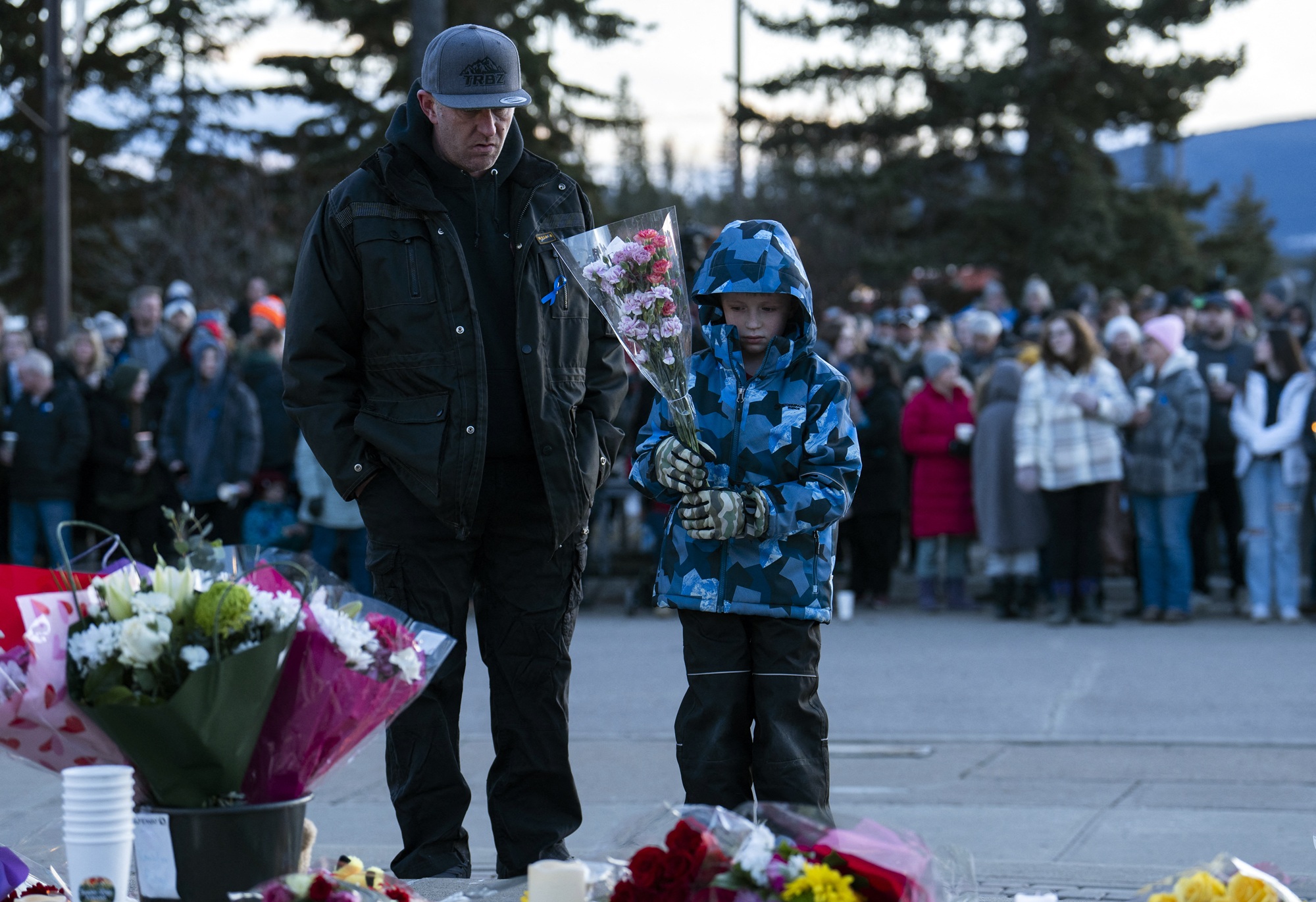
Seven families of victims from the February Tumbler Ridge, British Columbia, school and community shootings filed lawsuits in U.S. federal court in San Francisco alleging that OpenAI and CEO Sam Altman failed to alert police after the shooter's ChatGPT interactions were flagged months earlier, Reuters and BBC report. The complaints assert negligence, wrongful death and related claims; plaintiffs' attorney Jay Edelson told the BBC and Reuters he expects to file additional suits. Reuters and Ars Technica report the suits allege internal safety staff flagged the account about eight months before the attack but that company leaders did not notify law enforcement. OpenAI said the shooting was "a tragedy" and that it has a "zero-tolerance policy" for using its tools to assist violence and has strengthened safeguards, per Reuters. In an open letter quoted by the BBC, Sam Altman wrote, "I am deeply sorry that we did not alert law enforcement."
What happened
Seven lawsuits were filed this week in U.S. federal court in San Francisco by family members of victims of the February mass shooting in Tumbler Ridge, British Columbia, alleging that OpenAI and its chief executive Sam Altman failed to notify police after the shooter's ChatGPT activity was flagged, Reuters and the BBC report. The complaints assert claims including negligence, wrongful death and liability; Jay Edelson, the plaintiffs' attorney, told the BBC and Reuters he expects to file more actions and will request jury trials.
Key factual claims and sources
- •Alleged timeline: Reuters reports the lawsuits allege OpenAI knew about concerning ChatGPT interactions approximately eight months before the attack. Ars Technica and The Guardian report that internal safety staff flagged the account for references to gun violence and, according to whistleblowers cited by Ars Technica, urged escalation to law enforcement.
- •Company responses: Reuters quotes an OpenAI spokesperson calling the shooting "a tragedy" and saying the company has a "zero-tolerance policy" for using its tools to assist in committing violence; Reuters also reports OpenAI saying it has strengthened safeguards, including better threat assessment and escalation. The BBC quotes an open letter from Sam Altman: "I am deeply sorry that we did not alert law enforcement."
- •Victims and scale: The BBC reports the Tumbler Ridge attack killed eight people, including six children, and injured more than 25; Reuters published reporting that cited nine fatalities in coverage of the suits. KQED and Bloomberg identify named plaintiffs, including a family filing on behalf of Shannda Aviugana-Durand and a suit brought by the family of 12-year-old Maya Gebala, who remains critically injured.
Editorial analysis - technical context
Context and significance
This set of lawsuits is part of a recent wave of legal actions alleging that AI platforms contributed to self-harm or violent outcomes; Reuters describes these as among the first suits in the United States to specifically allege that ChatGPT played a role in facilitating a mass shooting. For practitioners, the cases highlight escalating legal scrutiny on operational safety, escalation policies, and recordkeeping around flagged accounts and reviewer recommendations.
What to watch
Industry context
Companies operating large conversational models typically implement layered safety systems that include automated detection, human review, and policies for escalation to law enforcement in cases judged to present imminent real-world harm. Public reporting in this case, including Ars Technica and Reuters coverage, frames the litigation as focusing on whether internal flags and human reviewer recommendations were escalated consistent with those protocols. Observers in the sector commonly note that detection thresholds, false positives, and privacy/legal constraints complicate decisions about when to contact police or other authorities.
Observers should follow:
- •the plaintiffs' asserted factual record about internal flags and reviewer recommendations as developed in discovery
- •any disclosures or public statements from OpenAI about escalation policies and audit logs
- •how courts treat claims that a model provider owed a duty to notify law enforcement. Also monitor filings for named evidence such as internal documents, whistleblower testimony (reported by Ars Technica), and any expert reports on harms and foreseeability
Practical takeaway for practitioners
Editorial analysis
Teams building or operating conversational AI should expect increased legal and regulatory scrutiny of safety detection thresholds, human-review workflows, and documentation practices. Industry observers often note that litigation outcomes in these areas can influence product risk assessments, compliance programs, and incident response playbooks across the sector.
Key Points
- 1Seven families filed suits in U.S. federal court alleging OpenAI failed to notify police after ChatGPT interactions were flagged, Reuters and BBC report.
- 2Reporting by Ars Technica says internal safety reviewers allegedly urged escalation months earlier, raising questions about escalation and documentation practices.
- 3Industry observers note litigation like this typically pressures AI operators to clarify detection thresholds, reviewer workflows, and law-enforcement escalation protocols.
Scoring Rationale
The lawsuits raise significant legal questions about platform liability and safety workflows that matter to AI operators and practitioners. The case could set precedents on escalation practices and documentation, making it a notable, sector-level risk story.
Sources
Public references used for this report.
View 9 more sources
- Seven lawsuits filed against OpenAI by families of Canada mass-shooting victimsbbc.com
- School-shooting lawsuits accuse OpenAI of hiding violent ChatGPT usersarstechnica.com
- Families sue OpenAI over Canadian mass shooter's use of ChatGPTnpr.org
- Families sue OpenAI over failure to report Canada mass shooter’s behavior on ChatGPTtheguardian.com
- Victims allege OpenAI and Sam Altman are responsible for a mass shootingmotherjones.com
- OpenAI Hit With Barrage of Lawsuits Over Failure to Report School Shooter Before Massacrefuturism.com
- OpenAI sued by families of school shooting victims in Canada's Tumbler Ridgecbsnews.com
- Families sue OpenAI, alleging chatbot aided in Canadian school shootingaljazeera.com
- Families of Tumbler Ridge shooting victims sue OpenAI and ... - CNNcnn.com
Practice interview problems based on real data
1,625 SQL & Python problems across 15 industry datasets — the exact type of data you work with.
Try 250 free problems

