European Data Centers Reuse Waste Heat to Heat Homes
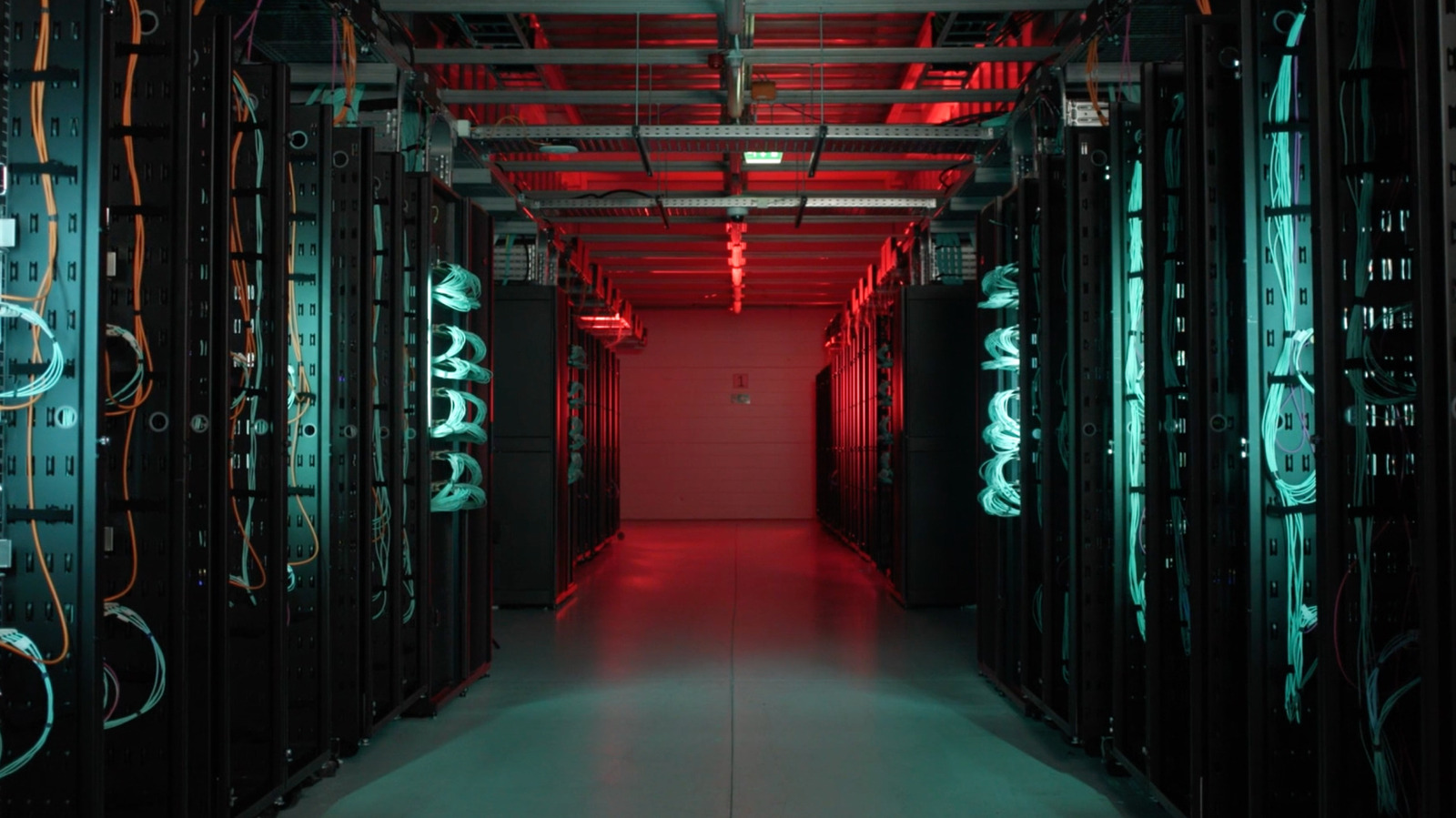
Several European projects are redirecting waste heat from large data centers into local heating systems. Per Google, the Hamina data center will supply 80% of the annual heat demand for a local district, according to Google's corporate blog. Microsoft reports a Høje-Taastrup, Denmark data center under construction will produce enough surplus heat to warm about 6,000 homes, per a Microsoft local blog post. SlashGear reports Microsoft has a partnership with Fortum in Finland targeting heat delivery to 250,000 homes and businesses. Equinix describes a multi-site heat export program, including a project with Markham District Energy in Ontario. CNBC reports an AWS facility in Dublin supplies 92% of a nearby technological campus' heating demand. Research highlighted by the European Commission suggests waste-heat reuse could enable broader applications, including water purification and carbon capture, according to environment.ec.europa.eu.
What happened
Several major data center operators and local utilities in Europe and North America are putting surplus operational heat into district heating networks. Per Google's corporate blog, the Hamina data center project will provide 80% of the annual heat demand for the nearby district heating network in Hamina, Finland. Microsoft's local blog reports the Høje-Taastrup, Denmark data center under construction will produce enough surplus heat to warm about 6,000 homes. SlashGear reports Microsoft is partnering with Fortum to ultimately route recycled data center heat to roughly 250,000 homes and businesses in the Espoo region. Equinix has documented its Heat Export program, including a project with Markham District Energy in Ontario. CNBC reports an Amazon Web Services data center in Dublin supplies 92% of heating demand for a nearby technological campus.
Technical details
Editorial analysis - technical context
Public reporting and vendor blogs describe several technical patterns enabling heat reuse. The Microsoft project details capturing heat via an air-to-liquid heat exchanger and transferring warmed water into a district network, where heat pumps raise delivery temperature before distribution, per Microsoft. Google's Hamina project describes routing recovered low-temperature heat into an optimized district system; Google also notes the power supporting the site is largely carbon free, which it describes as making recovered heat broadly low-carbon. CNBC quotes heating-industry technician Adam Fabricius explaining that higher chip densities and water-cooling approaches in modern AI-focused racks produce warmer waste streams that are easier to integrate with heat networks.
What this means for practitioners
Editorial analysis
Systems architects, site selection teams, and sustainability engineers should register the growing set of technical building blocks for thermal integration: liquid cooling, heat exchangers, heat pumps, and district piping interfaces. The economics depend on proximity to heat demand, local heating network temperature requirements, and regulatory or municipal partnership models. Operators evaluating on-prem or colocated deployments will want to quantify heat-capture potential alongside power and cooling design choices.
What to watch
Industry context
Coverage frames this work as part of a broader push to reduce the social and environmental footprint of energy-intensive computing. Equinix and hyperscalers are presenting heat export as a local sustainability benefit while municipal utilities see a near-term source of low-cost thermal input. Reporting also highlights limits: CNBC notes high capital expenditure and the need for existing district heating infrastructure can slow rollout, and European Commission reporting highlights additional technical pathways, including using waste heat to power water purification or carbon-capture processes, but treats those as emerging research directions, per environment.ec.europa.eu.
Monitor municipal partnerships and regulatory incentives in Nordic and Central European markets, reports of capex-sharing or utility contracts (for example, Microsoft/VEKS and Microsoft/Fortum items in the public blog posts), and pilot results that report delivered temperatures and seasonal performance. Also follow technical research noted by the European Commission on using waste heat for water treatment and carbon capture to see if thermal reuse becomes a multi-purpose resource.
Selected sourced quotes
Per Google's blog, Hamina Mayor Ilari Soosalu said, "Google and the city of Hamina have a long and flourishing history together. Google is an excellent example of a company with strong sustainable future orientation." CNBC quoted IEA-affiliated Brendan Reidenbach saying district heat partnerships give data centers "additional social license." Microsoft and VEKS spokespeople described the Denmark agreement as contributing to an "environmentally conscious Danish datacenter region," per Microsoft's local post.
Note: Several outlets and corporate blogs provide the primary figures cited above. Where operators have not published a public rationale beyond project descriptions, reporting limits conclusions about internal strategy to what the sources state.
Key Points
- 1Major operators are delivering measurable heat to local grids, lowering local fossil-fuel heat demand while leveraging existing district networks.
- 2Industry uptake depends on higher-temperature waste streams and liquid-cooling approaches, which simplify integration with heat pumps and exchangers.
- 3Municipal partnerships and existing district-heating infrastructure are the decisive enablers; projects face high capex and geographic limitations.
Scoring Rationale
The story documents a material operational trend with direct engineering and infrastructure implications for ML/AI deployments. It is notable but not frontier-shifting: reuse reduces local emissions and improves social license, yet technical and economic constraints limit scale today.
Sources
Public references used for this report.
View 8 more sources
- This university campus is heated by an AI data center. Your ... - CNBCcnbc.com
- Here's how data centre heat can warm your homeweforum.org
- AI data centre waste heat could be used for water purification and ...environment.ec.europa.eu
- Data center waste heat for district heating networks: A reviewsciencedirect.com
- Heat from an Amazon Data Center Is Warming Dublin's Buildingsreasonstobecheerful.world
- Avoiding Waste Heat through AI Infrastructure Thermal Integrationnae.edu
- Powering Europe's AI Data Centers with Energy Efficiency - Climeonclimeon.com
- [PDF] Using Waste Heat Generated from Data Centers:reimagineappalachia.org
Practice interview problems based on real data
1,625 SQL & Python problems across 15 industry datasets — the exact type of data you work with.
Try 250 free problems