Etzioni Responds to Pope Leo XIV's AI Encyclical
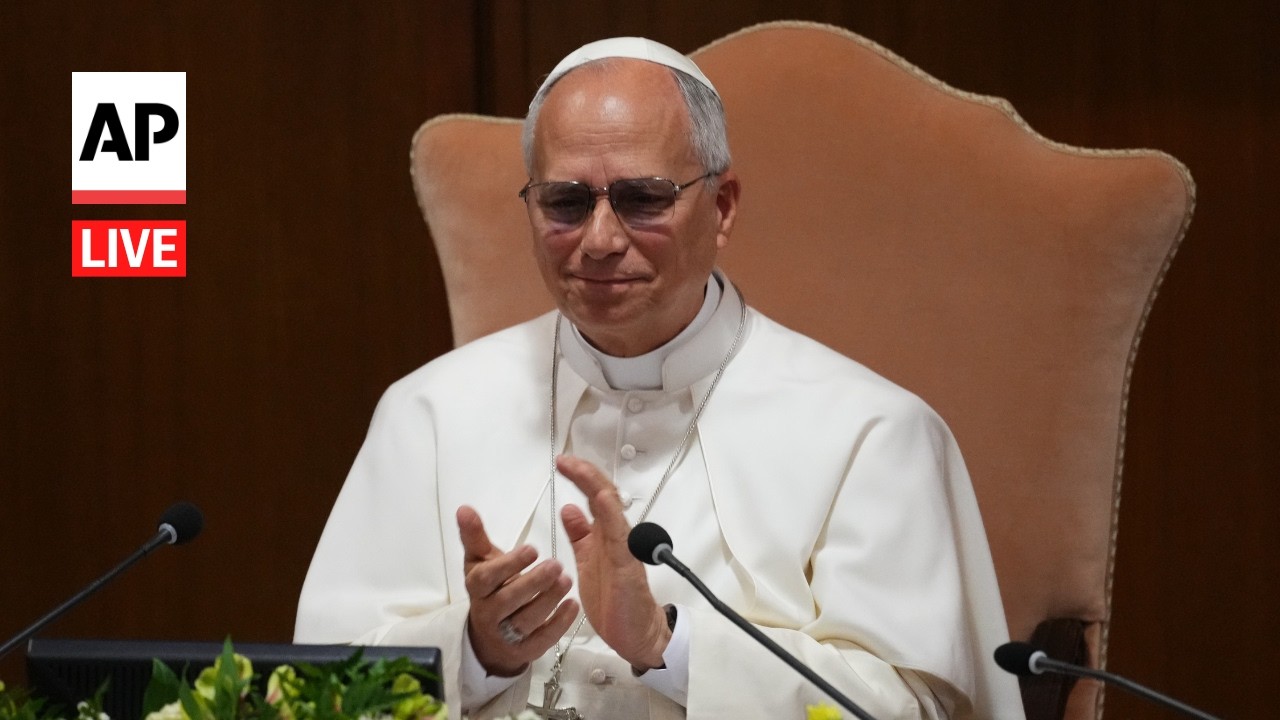
On May 25, Pope Leo XIV released the encyclical "Magnifica Humanitas," subtitled "On Safeguarding the Human Person in the Time of Artificial Intelligence," reporting widespread concern about AI's social effects (GeekWire; CommStrader). The encyclical frames AI as a foundational, industrial-revolution scale change and argues that algorithms and design choices carry moral weight, calling for stronger national and international regulation and warning about job insecurity, manipulation, privacy, bias, and autonomous weapons (GeekWire). The opinion piece "Etzioni on AI: The Pope can talk, but only we can walk" appears alongside coverage of the encyclical in GeekWire and CommStrader. Religious moral framing with a global megaphone can broaden public pressure for regulatory and ethical governance debates around AI.
What happened
In a May 25 release, the encyclical Magnifica Humanitas, subtitled "On Safeguarding the Human Person in the Time of Artificial Intelligence," was published by Pope Leo XIV, according to reporting in GeekWire and CommStrader. Both outlets summarise the encyclical as characterising AI as an epochal, industrial-revolution scale development that can reorder work, wealth, and social relations. The document, as paraphrased in the coverage, stresses that design choices and datasets embed values and calls for stronger national and international regulation while listing concerns including job displacement, manipulation, privacy erosion, bias, and autonomous weapons (GeekWire; CommStrader).
Editorial analysis - technical context
Industry observers note that framing algorithmic systems as morally loaded rather than value-neutral aligns with ongoing debates in AI ethics about data governance, transparency, and participatory design. For practitioners: organisations involved in model development and deployment commonly face demands for clearer documentation, provenance tracking, and impact assessment processes when public discourse links AI to fundamental human dignity and rights.
Context and significance
GeekWire and CommStrader highlight the scale of the Pope's platform, noting the Catholic Church counts well over one billion adherents worldwide, which amplifies the encyclical's reach beyond academic or regulatory circles. Industry context: Religious leaders and other high-authority cultural voices can shift public salience on technological risks, which in turn affects policymaker attention and the narratives companies use when describing their governance measures.
What to watch
- •Citations of Magnifica Humanitas in national legislative debates or international fora on AI governance.
- •Movement by standards bodies or professional associations toward human-centric design mandates and audit frameworks.
- •Corporate communications and compliance playbooks referencing dignity, human-centered metrics, or commitments to limits on autonomous weapons and high-risk deployments.
Key Points
- 1A papal encyclical positions AI as an ethical and political issue, elevating public debate beyond technocratic forums.
- 2Framing algorithms as value-laden strengthens calls for documentation, impact assessment, and human-centered design in practice.
- 3Broad cultural authority can accelerate regulatory attention, making governance readiness a strategic concern for practitioners.
Scoring Rationale
The encyclical is notable because it brings a major cultural institution into AI governance debates, which can influence public and political attention. The story is important for practitioners who may see increased calls for documentation and compliance, but it does not itself introduce technical innovations or immediate regulatory changes.
Sources
Public references used for this report.
Practice interview problems based on real data
1,625 SQL & Python problems across 15 industry datasets — the exact type of data you work with.
Try 250 free problems