
Databricks, Ada Execs Explain Gen Z AI Backlash
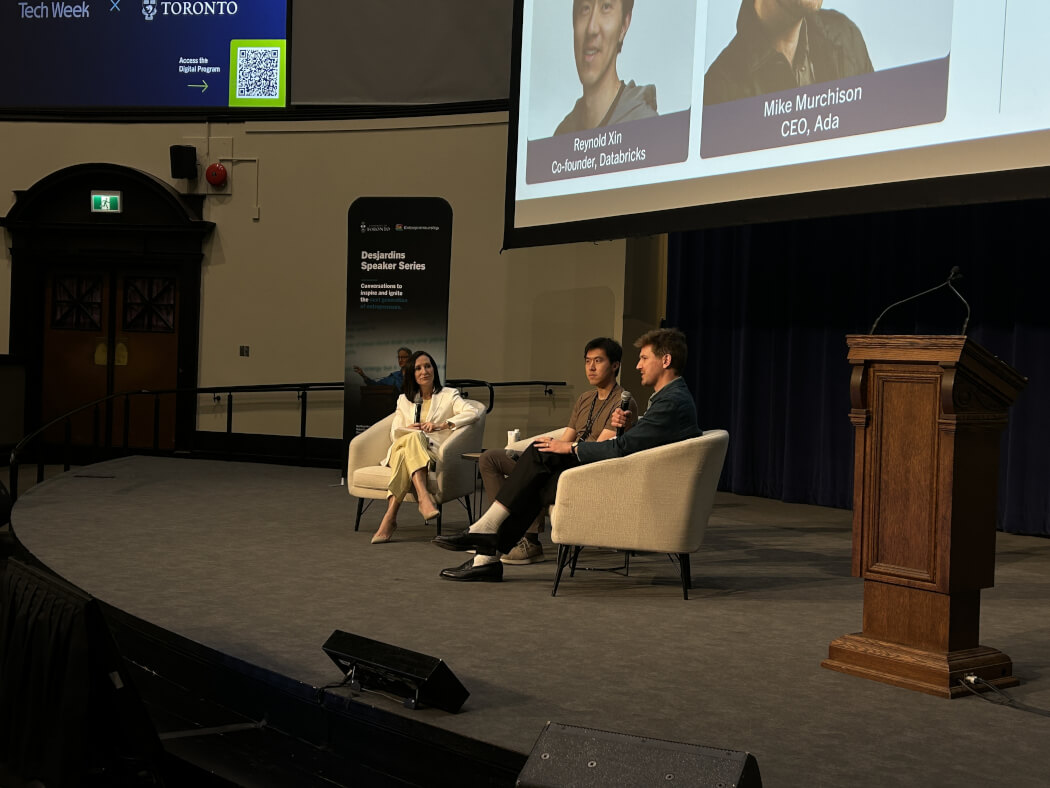
At a University of Toronto event, Databricks co-founder Reynold Xin and Ada CEO Mike Murchison discussed a growing Gen Z backlash against AI, BetaKit reported. Xin said the divide between anti-AI sentiment on Reddit and optimism among tech executives is "difficult to reconcile," and warned that "a lot of entry-level jobs, especially in software engineering, are being reduced or maybe even going away," per BetaKit. Xin attributed some layoffs to overhiring during the pandemic but added that "AI is a great excuse," according to BetaKit. Murchison said it "makes complete sense that young people are feeling a high degree of stress about AI," per BetaKit. Both founders suggested entrepreneurship and learning to use AI as possible responses for graduates, BetaKit reported.
What happened
BetaKit reported that Databricks co-founder Reynold Xin and Ada CEO Mike Murchison, both University of Toronto alumni, spoke at a convocation event about rising Gen Z skepticism toward AI. Per BetaKit, Xin said the sentiment split between anti-AI voices on Reddit and positive views among tech executives is "difficult to reconcile." BetaKit quoted Xin saying "a lot of entry-level jobs, especially in software engineering, are being reduced or maybe even going away." BetaKit further reported Xin described large-scale layoffs as "related more to the overhiring during the zero-interest rate era" while adding that "AI is a great excuse." BetaKit quoted Murchison as saying it "makes complete sense that young people are feeling a high degree of stress about AI." The conversation was moderated by CTV News journalist Amanda Lang, BetaKit reported.
Editorial analysis - technical context
Public remarks by founders at alumni events tend to highlight observable workforce effects and individual coping strategies rather than deep technical claims. Industry reporting frequently frames early-career disruption around automation of repeatable tasks and role redefinition; these are plausible technical vectors for the anxieties Xin and Murchison described. For practitioners, that typically translates into shifting role requirements toward higher-level system design, human-in-the-loop workflows, and tooling that augments rather than replaces domain expertise.
Context and significance
Editorial analysis: The BetaKit coverage places this conversation inside a broader narrative of layoffs and hiring slowdowns in big tech that many graduates experience as evidence of shrinking entry-level opportunity. Public statements from founders emphasizing entrepreneurship and tool adoption echo a common Silicon Valley response to disruption: promoting individual upskilling and startup creation as mitigation. That framing resonates with students but does not by itself address structural labor-market questions raised by the backlash.
What to watch
Indicators an observer might follow include student and alumni career-placement data from universities, hiring trends for entry-level engineering roles at major tech firms, and whether academic programs update curricula to include practical AI tool literacy. Also monitor public university events and local media reporting for shifts in tone from anxiety toward constructive engagement or organized calls for policy or institutional responses.
Key Points
- 1Executives and graduating students publicly disagree on AI, reflecting an observable sentiment gap with practical hiring implications.
- 2Founders quoted promoting entrepreneurship and AI tool fluency, offering individual-level responses to workforce anxiety.
- 3Observers should track university placement data and entry-level hiring trends to gauge long-term effects on early-career pathways.
Scoring Rationale
The story highlights an important practitioner-facing trend: early-career anxiety about AI and differing public narratives from industry leaders. It is notable for career and hiring implications but lacks technical breakthroughs or major policy actions, placing it in the mid-range of relevance.
Practice with real Ad Tech data
90 SQL & Python problems · 15 industry datasets
250 free problems · No credit card
See all Ad Tech problems
