EMA convenes workshop on AI guidance for Annex 22
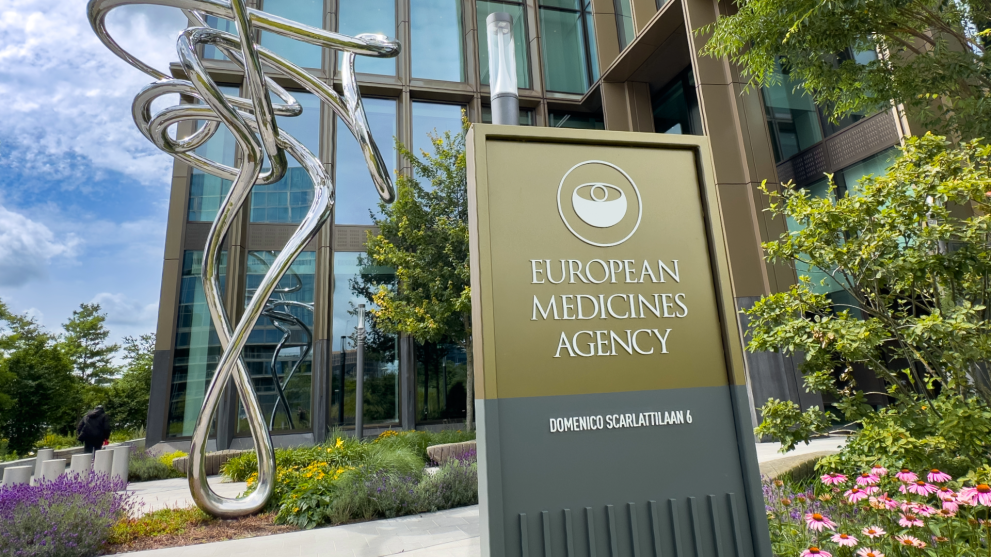
The European Medicines Agency (EMA) is organising a two-day, online workshop on 30 June 2026 and 1 July 2026 to gather expert input for its draft Annex 22 guidance on the use of artificial intelligence in medicines manufacturing, per the EMA event page. The first day will be an open session for expert presentations; the second day will be a closed session where the Annex 22 drafting group reviews contributions, and EMA expects the event to produce a report with expert input, also per EMA. The EMA page notes a 2025 stakeholder consultation found some support for enabling technologies such as GenAI and LLMs, while the draft Annex 22 had previously indicated that dynamic, adaptive and probabilistic models should not be used in critical GMP applications. A 2025 HMA/EMA workshop report includes remarks by Emer Cooke emphasising responsible frameworks and collaboration.
What happened
EMA's Good Manufacturing Practice (GMP) / Good Distribution Practice (GDP) Inspectors Working Group is organising a two-day online workshop on 30 June 2026 and 1 July 2026 to collect expert contributions for the draft Annex 22 guidance on the use of artificial intelligence (AI) in medicines manufacturing, according to the EMA event page. Per EMA, the first day is an open session for expert presentations and the second day is a closed drafting-group review; EMA expects the workshop to produce a report with expert input. The EMA event page also states that a 2025 stakeholder consultation suggested support for potentially enabling technologies such as GenAI and LLMs, while the draft Annex 22 previously indicated that dynamic, adaptive and probabilistic models should not be used in critical GMP applications.
Technical background from prior activity
The HMA/EMA 2025 multi-stakeholder workshop report documents senior regulator remarks about balancing opportunity and responsibility. Emer Cooke, Executive Director of the European Medicines Agency, is quoted summarising the collaborative aim: "we're all in this together," per the 2025 workshop report. The report frames regulatory work on AI within a broader legislative ecosystem that includes the European Health Data Space, the proposed AI Act, and clinical trial and HTA rules.
Editorial analysis - technical context
Industry observers note that guidance for regulated manufacturing typically focuses on data governance, validation, transparency, and human oversight. For regulated machine-learning or probabilistic systems, practitioners frequently emphasise reproducible training data pipelines, traceable model evaluation, and controls to limit model-driven variability. These are the types of safeguards mentioned in EMA's workshop objectives as areas for expert input.
Context and significance
Guidance labelled as Annex 22 affects manufacturers subject to GMP because it aims to define acceptable controls and mitigation measures for AI use in production and quality systems. The EMA event and the earlier workshop report signal regulatory attention to whether and how adaptive AI systems can be introduced in highly controlled manufacturing environments.
What to watch
Observers should look for the EMA workshop report summarising expert input, any revisions to the draft Annex 22 that follow publication of that report, and whether the Annex 22 drafting group updates language on dynamic, adaptive, or probabilistic models in critical GMP applications. Tracking references to specific mitigations such as model evaluation frameworks, data lineage requirements, and human-in-the-loop controls will indicate practical implications for implementers.
Key Points
- 1EMA is running a two-day online workshop on 30 June and 1 July 2026 to gather expert input for draft Annex 22 guidance.
- 2A 2025 EMA stakeholder consultation showed some support for enabling GenAI and LLMs, while the draft Annex 22 previously flagged dynamic models as unsuitable for critical GMP roles.
- 3Industry context: regulators and practitioners will focus on data governance, model evaluation, transparency, and human oversight as mitigation measures for AI in manufacturing.
Scoring Rationale
This workshop directly affects regulated medicines manufacturing and will shape operational requirements for AI in GMP contexts, which is highly relevant to practitioners in pharma and biotech. The story is regulatory rather than a frontier technical release, so it scores as notable for the sector.
Sources
Public references used for this report.
Practice interview problems based on real data
1,625 SQL & Python problems across 15 industry datasets — the exact type of data you work with.
Try 250 free problems